
Buying a Car Out-of-State with an SR-22 Filing Requirement
Find SR-22 Coverage NowDoes buying a vehicle out-of-state affect your SR-22 filing status?
Yes, because SR-22 filing is jurisdiction-specific and tied to your state of residence, not the state where you purchase the vehicle. Your filing obligation remains with the state that mandated it, which means the new vehicle must be titled and registered in your SR-22 state and covered under a policy that includes the active SR-22 certificate filed with your DMV.
The problem surfaces during the registration handoff. Most out-of-state dealers cannot register the vehicle in your home state directly — you take temporary tags, drive the car home, and register it yourself within a specific window, typically 30 to 60 days depending on your state. During that transition period, your SR-22 carrier must add the new vehicle to your existing policy before your state's DMV processes the registration. If the vehicle addition triggers a policy rewrite or carrier change, your SR-22 filing lapses the moment the old policy cancels, even if the new policy starts the same day.
Carriers do not automatically transfer SR-22 certificates when you add or remove vehicles. The certificate is filed separately, and any policy modification that changes the policy number or carrier name requires a new SR-22 filing with your DMV. That gap — typically 3 to 10 business days between the carrier submitting the new certificate and your DMV recording it — creates exposure. If your state checks SR-22 status during that window, you appear noncompliant.
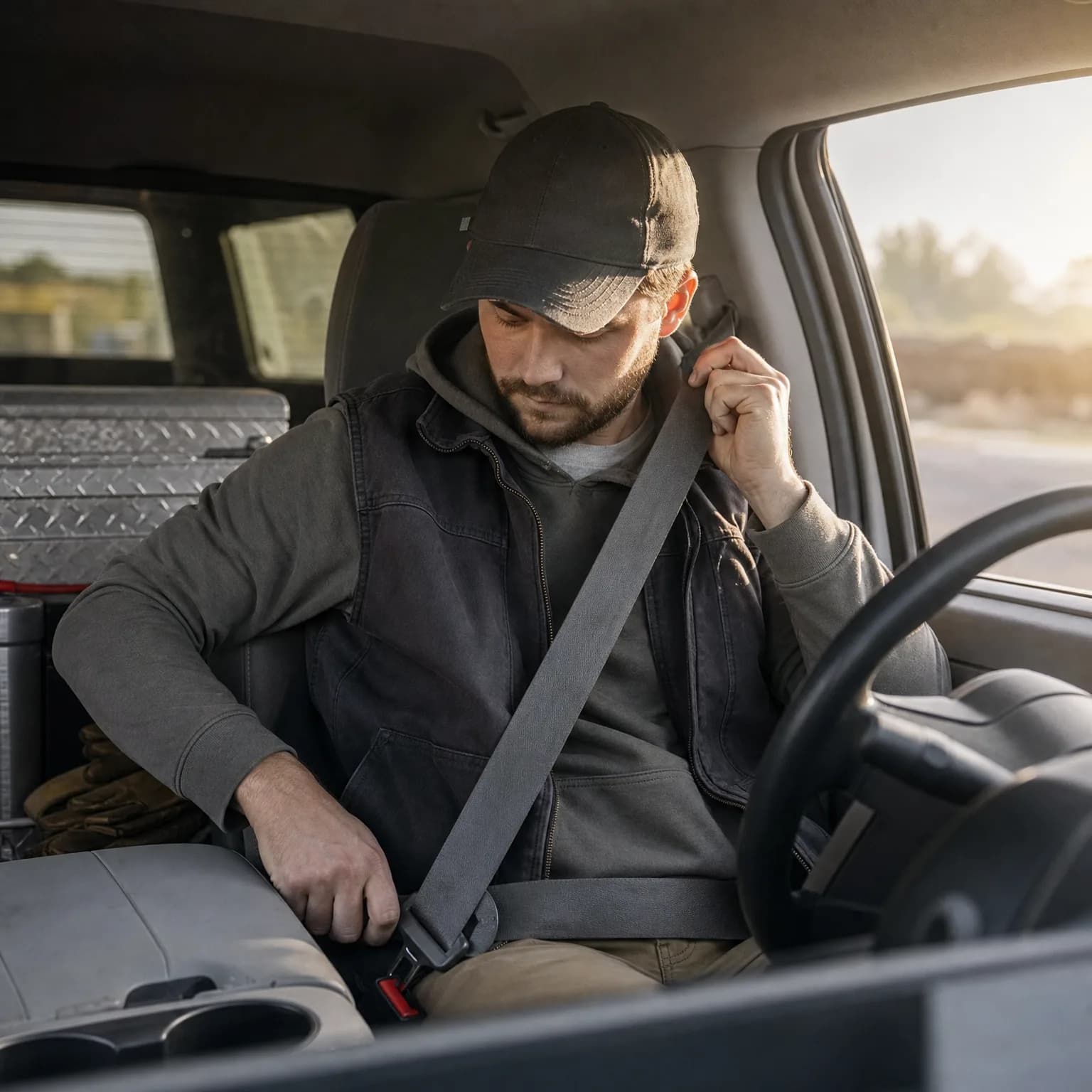
How vehicle registration across state lines interacts with SR-22 compliance
SR-22 is a certificate of financial responsibility filed by your insurance carrier with the DMV in the state that mandated it. The certificate proves you carry at least the state-mandated minimum liability coverage. That filing is state-specific and carrier-specific — it lists the policy number, the carrier's name, and your state of residence.
When you buy a vehicle out-of-state, the selling dealer typically handles registration in their state or issues temporary tags valid for 30 to 60 days so you can register the vehicle in your home state yourself. You cannot register the vehicle in the dealer's state if your SR-22 filing is active in your state of residence — registration and insurance must align in the SR-22 state.
The registration process requires proof of insurance covering the new vehicle, which means you must contact your SR-22 carrier and add the vehicle to your existing policy before your state's DMV will issue plates. If your current carrier does not write policies in the state where you purchased the vehicle or cannot add the vehicle without canceling and rewriting your policy under a new policy number, your SR-22 filing breaks during the transition. Your state's DMV receives an SR-22 cancellation notice from the old policy, but the new SR-22 certificate from the rewritten policy has not yet been processed.
Most states impose immediate suspension if SR-22 filing lapses, even for one day. The suspension resets your filing period to zero in states that measure SR-22 duration from the last suspension lift date, not the original violation date. A 10-day lapse can cost you 3 additional years of SR-22 filing in those jurisdictions.


What happens if your SR-22 carrier does not write policies where you bought the vehicle
Your SR-22 carrier does not need to be licensed in the state where you purchased the vehicle — only in your state of residence where the SR-22 is filed. The dealership's state has no bearing on your insurance carrier's licensing, and the transaction itself does not require the carrier to operate in both states.
The friction point is vehicle inspection, delivery logistics, and lien placement if you finance the purchase. Some out-of-state dealers require proof of insurance issued by a carrier licensed in their state before releasing the vehicle, even if you are registering it elsewhere. That requirement is dealer policy, not insurance law, but it creates a practical barrier. If your SR-22 carrier is licensed only in your home state, you cannot provide that proof.
The solution is to clarify with the dealer before signing paperwork that you are registering the vehicle in your home state under an existing SR-22 policy and that the dealer's insurance requirement does not apply. Most dealers will accept a declaration page from your current carrier showing you have active coverage, even if the new vehicle is not yet listed. You then have 30 to 60 days of temporary tag coverage to contact your carrier, add the vehicle, and complete registration in your home state.
If the dealer refuses to release the vehicle without in-state insurance, you have three options: walk away from the deal, arrange for the vehicle to be transported to your home state so the dealer never releases it to you directly, or obtain a temporary binder policy in the dealer's state solely to satisfy their release requirement and then cancel it immediately after taking possession. The third option is expensive and creates the SR-22 lapse risk described above.
Steps to complete the purchase without lapsing your SR-22 filing
Before signing purchase paperwork, confirm with the dealer that they will release the vehicle with temporary tags valid for at least 30 days and that they do not require proof of in-state insurance. Bring a current declaration page from your SR-22 carrier showing active liability coverage at or above your state's minimum limits.
After taking possession of the vehicle, contact your SR-22 carrier within 24 hours to add the new vehicle to your existing policy. Confirm with the carrier representative that adding the vehicle will not cancel and rewrite your policy under a new policy number. If the carrier states that the addition requires a policy rewrite, ask whether the SR-22 certificate will remain continuously active during the transition or if it will lapse and refile. If the carrier cannot guarantee continuous SR-22 status, notify your state's DMV before the policy change occurs.
Once the vehicle is added and the carrier confirms SR-22 filing remains active, take the updated declaration page and the vehicle title to your state's DMV to register the vehicle and transfer plates. Most states require registration within 30 to 60 days of purchase to avoid penalty fees or temporary tag violations. Do not wait until the final days of the temporary tag window — if your carrier processes the vehicle addition slowly or your DMV flags an SR-22 issue during registration, you need time to resolve it before the tags expire.
If your current SR-22 carrier cannot add the vehicle without a policy rewrite that lapses your filing, shop for a replacement carrier before canceling the existing policy. Obtain a new policy with SR-22 filing from the new carrier, confirm the new SR-22 certificate has been filed with your DMV and recorded as active, then cancel the old policy. The sequence must be new SR-22 filed and active, then old policy canceled — never the reverse.

See What Your SR-22 Should Really Cost
Find SR-22 Coverage Now
How financing the vehicle affects SR-22 compliance during the purchase
If you finance the out-of-state vehicle purchase, the lender requires proof of comprehensive and collision coverage in addition to liability, and the lender must be listed as the lienholder on both the insurance policy and the vehicle title. That requirement does not change your SR-22 obligation, but it does mean you cannot delay adding the vehicle to your policy until after registration — the lender will not release funds or allow the dealer to transfer the title until proof of full coverage is provided.
Most SR-22 carriers that write non-standard auto insurance offer comprehensive and collision coverage, but the premiums are significantly higher for high-risk profiles. Adding full coverage to a financed vehicle can increase your monthly premium by 40 to 90 percent compared to liability-only SR-22 coverage. If your current carrier quotes a rate you cannot afford, you may need to shop for a new carrier before completing the purchase.
The lender's insurance requirement also means you cannot use the temporary-tag grace period to delay adding the vehicle. The dealer will not finalize the sale until the lender confirms insurance is in place, which forces the vehicle addition and policy change to occur before you take possession. If that policy change triggers an SR-22 lapse, you will not discover it until after the purchase is complete and the vehicle is in your driveway.
Before signing financing paperwork, contact your SR-22 carrier to obtain a full-coverage quote for the specific vehicle you are purchasing and confirm that adding the vehicle with comprehensive and collision will not cancel and refile your SR-22 certificate. If the carrier cannot provide that confirmation in writing, do not proceed with the financed purchase until you have secured a replacement SR-22 policy that covers the new vehicle without filing interruption.

Why temporary tags from the dealer's state do not satisfy your SR-22 state's registration rules
Temporary tags issued by the dealer's state allow you to drive the vehicle legally for 30 to 60 days while you complete registration in your home state. Those tags do not register the vehicle — they permit you to operate it on public roads during the transfer period. Your SR-22 state's DMV has no record of the vehicle, no record of insurance covering it, and no awareness that you now own it until you submit registration paperwork.
SR-22 filing requires your carrier to notify your state's DMV immediately if your policy cancels, lapses, or changes in any way that affects coverage. When you add a vehicle to your existing SR-22 policy, most carriers do not send an SR-22 update to the DMV unless the policy number changes or the carrier rewrites the policy. Your DMV sees no change in SR-22 status, which means they have no reason to check whether the new vehicle is registered or insured.
The risk appears when your temporary tags expire and you register the vehicle in your SR-22 state. If your carrier added the vehicle under a rewritten policy with a new policy number and filed a new SR-22 certificate, but your DMV has not yet processed the new filing, the registration clerk may flag your SR-22 status as lapsed. Most DMV systems show SR-22 filing by policy number, not by driver name, and the old policy number no longer appears in the system once the policy cancels. The new SR-22 filing exists, but it is still in processing, and the clerk sees a gap.
That gap does not mean you are uninsured — it means the DMV's SR-22 record has not caught up to your carrier's filing. The registration hold can delay plates by 10 to 15 business days while the carrier and DMV resolve the filing status, and you cannot legally drive the vehicle without valid registration once the temporary tags expire.
What to do if your SR-22 state and the purchase state have different liability minimums
Your SR-22 filing is tied to your state of residence, which means the liability limits listed on your SR-22 certificate must meet or exceed your home state's minimum requirements, not the dealer's state. If the state where you purchased the vehicle has higher minimums than your SR-22 state, you are not required to carry the higher limits unless you register the vehicle there, which you will not do if your SR-22 filing is active elsewhere.
The confusion arises when the out-of-state dealer or their finance partner requests proof of insurance and expects limits that match their state's requirements. That expectation is based on the dealer's assumption that you are registering the vehicle in their state. Once you clarify that you are taking temporary tags and registering the vehicle in your home state, the dealer's state minimum is irrelevant.
If your SR-22 state has lower liability minimums than the state where you bought the vehicle, your existing SR-22 policy satisfies your legal obligation. You are not driving uninsured or underinsured — you are carrying the limits required by the state that mandated your SR-22 filing. The dealer cannot refuse to release the vehicle based on a minimum that does not apply to your registration jurisdiction.
If your SR-22 state has higher minimums than the dealer's state, your existing policy already exceeds the dealer's state requirement by default. No adjustment is necessary.
Frequently Asked Questions
Can I register an out-of-state vehicle in my SR-22 state if I still owe money on it?
Yes, but the lender must be listed as the lienholder on your SR-22 state's title and registration, and you must provide proof of full-coverage insurance before the lender releases the title to the dealer. Most SR-22 carriers write comprehensive and collision coverage for financed vehicles, but premiums for high-risk profiles are significantly higher than liability-only policies.
What happens if I buy a car out-of-state and my SR-22 carrier refuses to add it?
You must obtain a new SR-22 policy from a different carrier that will cover the vehicle before canceling your current policy. The new SR-22 certificate must be filed with your DMV and recorded as active before the old policy cancels, or your filing lapses and your state suspends your license immediately.
Do I need SR-22 insurance in the state where I bought the car?
No. SR-22 filing is required only in your state of residence where your license is issued and where the DMV mandated the filing. The state where you purchased the vehicle has no SR-22 jurisdiction over you unless you move there and register the vehicle as a resident.
How long do I have to register an out-of-state vehicle in my SR-22 state?
Most states allow 30 to 60 days from the purchase date to register the vehicle using temporary tags issued by the dealer. Your SR-22 carrier must add the vehicle to your policy before your state's DMV will process registration, and any delay in adding the vehicle or filing the updated SR-22 certificate can prevent you from obtaining plates before the temporary tags expire.
Can I avoid SR-22 filing requirements by registering the car in the state where I bought it?
No. SR-22 filing is tied to your driver's license and state of residence, not the state where the vehicle is registered. Registering a vehicle in another state while maintaining residency in your SR-22 state is insurance fraud, and your SR-22 state will suspend your license for failure to maintain the required filing in your home jurisdiction.
Related Articles

Buying a Car During SR-22 Filing: Avoid Gaps
5/17/2026
Selling Your Car During SR-22 Filing? What Happens Next
5/17/2026

Does SR-22 Transfer Between Vehicles You Own?
5/17/2026

Renting a Car Out of State With Active SR-22 Filing
5/17/2026
Can I Get SR-22 From an Out-of-State Insurer?
5/17/2026

SR-22 When You Own Vehicles in Two States: Filing Rules
5/17/2026