
Can You Get SR-22 Insurance With a Revoked License?
Find SR-22 Coverage NowThe Reinstatement Sequence: SR-22 Comes Before Your License
A revoked license means your driving privilege has been cancelled entirely — not just suspended. In 43 states, you cannot obtain SR-22 insurance while your license remains revoked, but you must file SR-22 as part of the reinstatement process itself. This creates a specific sequence: apply for reinstatement, obtain SR-22 coverage from a carrier willing to insure an unlicensed driver, file the certificate with your state DMV, then wait for reinstatement approval. The gap between filing and approval typically runs 30 to 90 days, during which you pay full premiums for a policy you cannot legally use.
The states with the most rigid sequences are California, Illinois, and Florida — all require proof of SR-22 coverage before processing reinstatement applications, and all charge separate reinstatement fees ranging from $55 to $150 on top of the SR-22 filing fee. If your SR-22 lapses at any point during this waiting period, the reinstatement process resets and you start over.
Seven states — including Indiana, Michigan, and Wisconsin — allow you to file SR-22 simultaneously with your reinstatement application, collapsing the timeline to as little as 14 days. But even in these states, carriers treat revoked-license applicants as maximum-risk profiles. Expect initial quotes 110–180% higher than standard SR-22 rates for suspended licenses.

Which Carriers Write SR-22 for Revoked License Holders
Not all SR-22 carriers will insure you while your license is revoked. The non-standard market has two tiers: carriers that write suspended-license SR-22 policies, and carriers that write revoked-license SR-22 policies. The second group is much smaller. The most reliable options nationally are The General, Direct Auto, Acceptance Insurance, and state-assigned risk pools. Progressive and GAINSCO write revoked-license SR-22 in select states, but their underwriting varies by your violation type and how long your license has been revoked.
If your revocation stems from a DUI, expect 60–70% of non-standard carriers to decline you outright during the first 12 months post-conviction. If the revocation is administrative — multiple point violations, failure to pay tickets, or a medical disqualification — your carrier options expand significantly. The General and Direct Auto both write revoked-license SR-22 for administrative causes in all states where they operate, typically at monthly premiums between $140 and $260 depending on your state and violation count.
State-assigned risk pools are the guaranteed fallback. Every state with SR-22 requirements operates either a formal assigned risk pool or a residual market mechanism that requires at least one carrier to accept you. Premiums in assigned risk pools run 150–200% higher than voluntary non-standard market rates, but you cannot be turned down. In North Carolina, the state's reinsurance facility handled over 47,000 revoked-license SR-22 filings in 2023, with average annual premiums near $2,800.


What You Pay: Premiums, Fees, and Reinstatement Costs
The total cost to move from revoked license to reinstated license with SR-22 coverage breaks into four components: the SR-22 filing fee, the insurance premium, the reinstatement fee, and any court-ordered fees tied to your original violation. The SR-22 filing fee itself is minor — $15 to $50 depending on your carrier and state. The insurance premium is where costs concentrate. Monthly premiums for revoked-license SR-22 policies typically range from $120 to $300, with DUI-related revocations pushing the high end toward $350/month in expensive states like Michigan, Louisiana, and Rhode Island.
Reinstatement fees vary by state and violation type. California charges $55 for most administrative revocations but $275 for DUI-related revocations. Illinois charges $70 for first-time administrative revocations and $500 for DUI revocations. Florida's reinstatement fee structure is tiered: $45 for non-alcohol violations, $75 for multiple point suspensions, and $150 for DUI or refusal cases. These fees are non-refundable and must be paid before your license is restored, even if your SR-22 filing is already active.
The timeline cost matters as much as the dollar cost. If reinstatement takes 60 days and your premium is $180/month, you will pay $360 in premiums before you can legally drive. Budget for at least two months of non-use premiums in most states, three months in California and Illinois. Some carriers allow you to backdate coverage start dates to minimize this waste, but most require continuous coverage from the date of filing forward. teen driver insurance after SR-22

See What Your SR-22 Should Really Cost
Find SR-22 Coverage NowHow Long You'll Carry SR-22 After Reinstatement
The SR-22 filing period does not begin when you file — it begins when your license is reinstated. If you file SR-22 in March but your license is not reinstated until June, your SR-22 clock starts in June. In states with 3-year SR-22 requirements (the most common duration for DUI and serious violations), you will carry SR-22 until June three years later, not March. This surprises most drivers who assume the filing date starts the clock.
Most states require SR-22 for 3 years following DUI-related revocations and 2 years following administrative revocations. A smaller group — including Virginia, Florida (where it is called FR-44), and Delaware — require 3 years regardless of violation type. California requires 3 years for DUI but only 1 year for most point-based revocations. Confirm your state's specific duration with your DMV or insurance agent before assuming a 3-year term.
If your SR-22 lapses at any point during the required period, most states reset the clock to zero and suspend your license again. A single missed payment that causes a lapse can add another full SR-22 term to your requirement. Set up autopay and monitor your policy closely. Even after your SR-22 period ends, your revocation will remain on your driving record for 7–10 years in most states, continuing to affect your insurance rates long after the filing requirement expires.
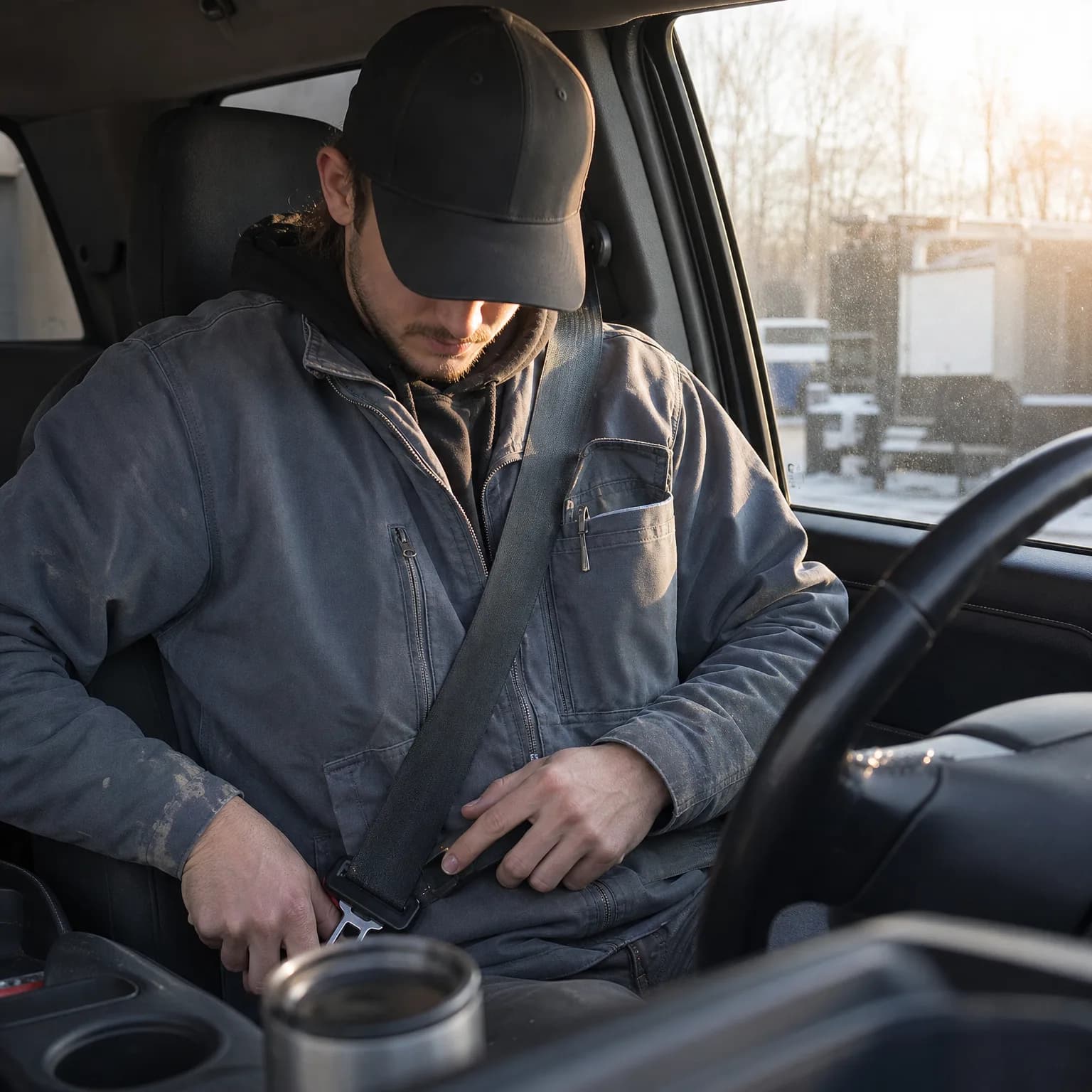
If You Do Not Own a Vehicle: Non-Owner SR-22 Policies
If your license was revoked and you do not own a vehicle, you can satisfy SR-22 requirements with a non-owner SR-22 policy. Non-owner policies provide liability coverage when you drive a borrowed or rented vehicle, and they allow you to file the required SR-22 certificate without insuring a car you do not own. Premiums for non-owner SR-22 policies are typically 30–50% lower than standard owner policies — expect monthly costs between $60 and $150 depending on your violation and state.
Non-owner SR-22 is especially common among drivers whose revocations stemmed from DUIs where a vehicle was impounded or sold. It is also the typical path if you rely on rideshare, public transit, or borrowed vehicles and do not plan to purchase a car during your SR-22 period. The coverage limits are lower than standard policies — most non-owner policies provide state minimum liability only — but they satisfy DMV filing requirements identically to owner policies.
One limitation: if you later purchase a vehicle during your SR-22 period, you must convert your non-owner policy to a standard policy and refile SR-22 within 10–30 days depending on your state. Failing to refile triggers a lapse, which resets your SR-22 clock and suspends your newly reinstated license. Notify your carrier immediately if your vehicle ownership status changes.

Your Path From Revoked to Reinstated
Start by requesting a copy of your driving record from your state DMV — it will list the specific violation that caused your revocation, the reinstatement requirements, and the required SR-22 duration. Most states provide this online for $5 to $15. Contact your DMV's driver safety or reinstatement division to confirm the exact steps: some states require completion of a driver improvement course, substance abuse evaluation, or vision retest before accepting SR-22 filings.
Once you know your state's requirements, obtain quotes from at least three non-standard carriers. Use the comparison tool on this site to get quotes from carriers that write revoked-license SR-22 in your state. Apply for the policy, pay your first month's premium, and request immediate SR-22 filing. Most carriers file electronically within 24–48 hours. Confirm the filing with your DMV after three business days — do not assume it was processed.
After your reinstatement is approved and your license is restored, your rates will remain elevated for the duration of your SR-22 period. But as time passes and no new violations appear, you can shop for better rates. At the 12-month mark post-reinstatement, request requotes from your current carrier and at least two competitors. Drivers who maintain clean records during their SR-22 period see average rate reductions of 20–35% at the one-year renewal.
Frequently Asked Questions
Can I get SR-22 insurance if my license is currently revoked?
Yes, but only as part of the reinstatement process — you cannot drive legally until your license is restored. Most states require you to obtain SR-22 coverage and file the certificate with the DMV before they will process your reinstatement application. You will pay premiums for 30–90 days before your license is reinstated.
How much does SR-22 insurance cost with a revoked license?
Monthly premiums typically range from $120 to $300 depending on your state, violation type, and how long your license has been revoked. DUI-related revocations push costs toward the high end, with some states exceeding $350/month. Add reinstatement fees of $55 to $500 depending on your state and violation.
Does the SR-22 filing period start when I file or when my license is reinstated?
The SR-22 period starts when your license is reinstated, not when you file the certificate. If you file in March but your license is not reinstated until June, your 3-year SR-22 requirement runs from June forward. Filing early does not shorten your total SR-22 duration.
What happens if my SR-22 lapses during the reinstatement waiting period?
Your reinstatement application is denied or cancelled, and you must restart the entire process from the beginning. Most states reset your SR-22 clock to zero if you lapse before reinstatement is finalized. Set up autopay and monitor your policy closely during the waiting period.
Which insurance companies will write SR-22 for a revoked license?
The General, Direct Auto, Acceptance Insurance, and state-assigned risk pools are the most reliable nationally. Progressive and GAINSCO write revoked-license SR-22 in select states. If your revocation is DUI-related, expect 60–70% of non-standard carriers to decline you during the first year post-conviction.
Related Articles

SR-22 After Hit and Run in Nebraska: Conviction Impact
4/2/2026

Moving States With SR-22: Dual Filing Requirements Explained
5/17/2026

Nashville DUI Insurance: SR-22 Costs & TN Requirements
4/2/2026

Elko NV DUI Insurance: SR-22 Costs & Filing Rules
4/2/2026

St. Petersburg SR-22: Cheapest Carriers & Filing Guide
4/2/2026

Same-Day SR-22 in Riverside, CA — Instant Filing
4/2/2026