
Adding a Vehicle to Your Non-Owner SR-22: Rules and Costs
Find SR-22 Coverage NowCan You Add a Vehicle to a Non-Owner SR-22 Policy?
No, you cannot add a vehicle you own or register to a non-owner SR-22 policy. Non-owner policies are structured to cover you as a driver when you operate vehicles you do not own—once you register a vehicle in your name, the policy no longer matches your risk profile and most carriers will cancel it. The cancellation triggers an SR-22 lapse, which resets your filing period to zero in most states and adds a new suspension to your record.
If you regularly drive a specific vehicle but do not own it—a spouse's car, an employer's vehicle, or a family member's car—most carriers allow continued coverage under your non-owner policy as long as the vehicle is not registered in your name. If you purchase or register a vehicle, you must switch to a standard owner SR-22 policy before the registration date to avoid a lapse.
The critical distinction is vehicle registration, not usage. Operating a borrowed vehicle occasionally does not invalidate your non-owner policy. Registering a vehicle in your name does. Most carriers give you 10 to 30 days to notify them of a registration change, but the SR-22 filing remains active only if you convert to an owner policy before the non-owner policy cancels.

What Happens If You Register a Vehicle While on a Non-Owner SR-22
When you register a vehicle in your name while carrying a non-owner SR-22, your carrier typically cancels your policy within 10 to 30 days of discovering the registration. The cancellation is reported to your state DMV as an SR-22 lapse, which suspends your license again and restarts your filing period from the date you file a new SR-22 on an owner policy. In states with 3-year SR-22 requirements, this can add years to your total filing obligation.
Carriers discover vehicle registrations through routine DMV database checks, policy renewal audits, or when you attempt to add the vehicle to your existing policy. Some specialty carriers writing high-risk SR-22 business check registrations monthly. The discovery timeline varies, but assuming you can register a vehicle quietly and avoid detection for the remainder of your filing period is a high-risk strategy that typically fails.
The lapse consequence is automatic in most states. Your DMV receives a cancellation notice from your carrier, suspends your license within 10 to 15 days, and requires a new SR-22 filing on an active owner policy to lift the suspension. The filing clock restarts from the new filing date, not from your original violation date. If you had 18 months remaining on your original 3-year requirement, you now have 36 months from the new filing date.

How to Switch from Non-Owner to Owner SR-22 Without a Lapse
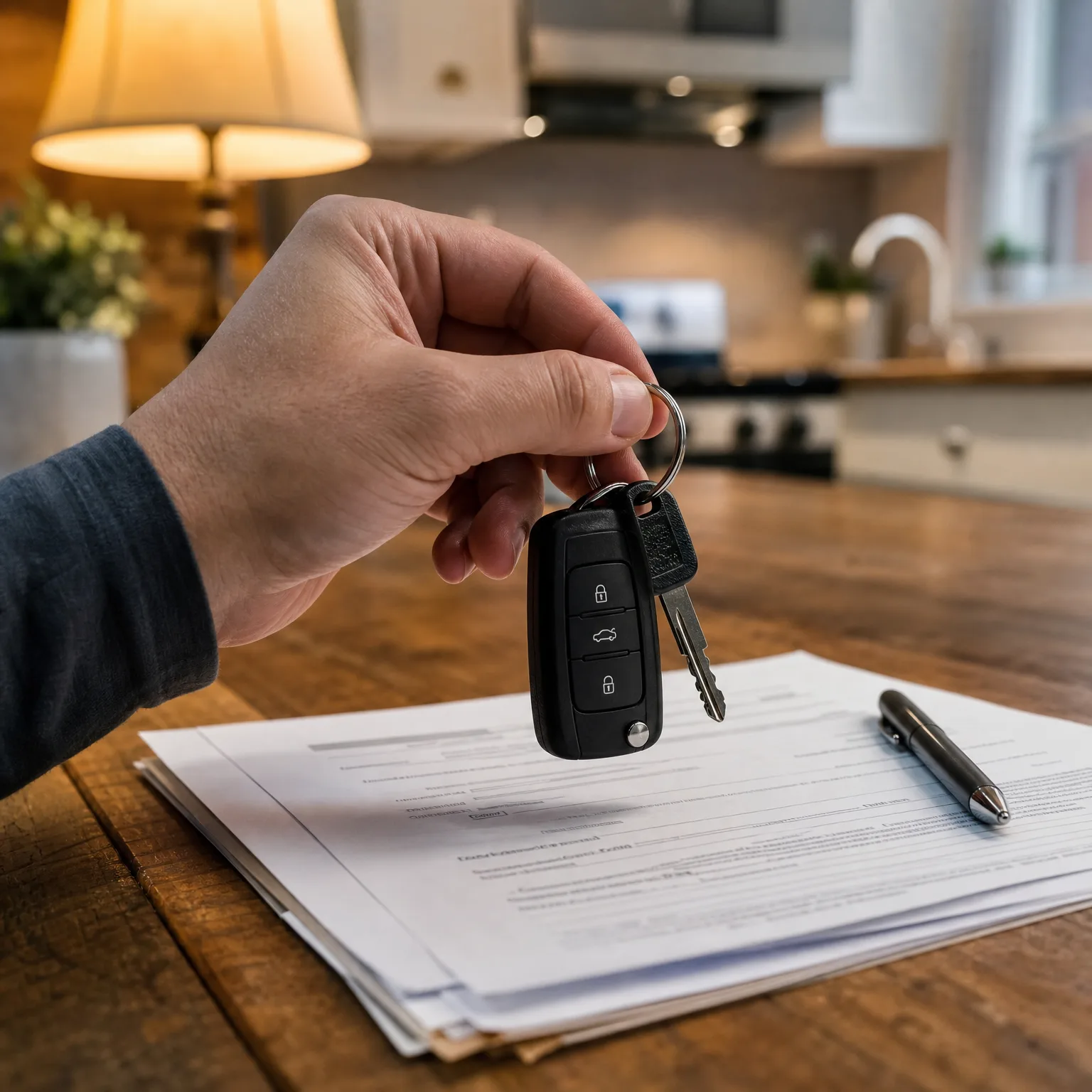
Contact your current carrier before you register the vehicle and request a conversion from non-owner to owner SR-22 coverage. Most carriers writing SR-22 business offer both policy types and can process the conversion without canceling your existing filing. The carrier updates your policy to cover the newly registered vehicle, adjusts your premium to reflect owner coverage rates, and maintains continuous SR-22 filing with your state DMV. No lapse occurs if the conversion completes before your registration date.
If your current carrier does not write owner SR-22 policies or declines to convert you, obtain a new owner SR-22 policy from a different carrier before canceling your non-owner policy. The new policy must be active and the new SR-22 filed with your DMV before the old policy cancels. Most states require continuous SR-22 coverage with no gap—even a single day without an active filing triggers a suspension and restarts your clock.
Premium increases are typical when converting from non-owner to owner coverage. Non-owner policies cost $300 to $600 annually for most high-risk profiles because they cover liability only and exclude collision and comprehensive claims. Owner policies covering a registered vehicle typically cost $1,200 to $3,000 annually depending on the vehicle, your violation history, and your state's minimum coverage requirements. Request quotes from multiple carriers before committing—rates for high-risk owner SR-22 policies vary significantly by carrier and state.

See What Your SR-22 Should Really Cost
Find SR-22 Coverage NowCarriers That Allow Temporary Vehicle Use Under Non-Owner SR-22
Most carriers allow you to operate borrowed or rented vehicles under your non-owner SR-22 policy as long as you do not own or register the vehicle. This includes vehicles owned by family members, employers, or rental companies. The non-owner policy provides liability coverage when you drive these vehicles, and your SR-22 filing remains active because your policy status has not changed.
Some carriers restrict coverage if you regularly drive the same vehicle more than a specified threshold—typically 12 to 15 days per month. If you drive your spouse's car daily, the carrier may require you to be listed as a named driver on your spouse's policy instead of relying on your non-owner coverage. This does not affect your SR-22 filing as long as your non-owner policy remains active, but it does shift primary liability coverage to the vehicle owner's policy.
Rental vehicles are covered under most non-owner SR-22 policies without restriction. If you rent a car for a week, your non-owner policy provides the state-minimum liability coverage required by your SR-22 filing. The rental company's damage waiver and collision coverage are separate products and do not interact with your SR-22 requirement. Verify rental coverage limits with your carrier before renting to confirm your policy meets the rental company's insurance verification requirements.

Cost Difference Between Non-Owner and Owner SR-22 Policies
Non-owner SR-22 policies cost $25 to $50 per month for most high-risk drivers, covering state-minimum liability limits only. Owner SR-22 policies cost $100 to $250 per month depending on the vehicle, your driving record, and whether you carry collision and comprehensive coverage in addition to liability. The premium difference reflects the added risk of covering a specific vehicle for physical damage claims, not just third-party liability.
SR-22 filing fees are identical for both policy types—typically $15 to $50 depending on your state and carrier. The filing fee is a one-time charge when the SR-22 is initially filed and again if you switch carriers or lapse and refile. The premium difference between non-owner and owner coverage is driven entirely by the vehicle risk, not the SR-22 filing itself.
If you register a vehicle and convert to an owner policy mid-filing-period, expect your monthly premium to increase by $75 to $200 depending on the vehicle's age, value, and your coverage selections. Older vehicles with liability-only coverage cost less to insure than newer vehicles requiring full coverage to satisfy a lienholder. High-risk drivers financing a vehicle typically face the highest premiums because lenders require collision and comprehensive coverage in addition to SR-22 liability filing.

What to Do If You Already Registered a Vehicle on a Non-Owner SR-22
If you registered a vehicle while carrying a non-owner SR-22 and your carrier has not yet canceled your policy, contact them immediately and request a conversion to an owner policy. Some carriers will process the conversion retroactively if you notify them within 10 to 15 days of the registration date. If the carrier refuses to convert you, obtain a new owner SR-22 policy from a different carrier and file it with your DMV before your current policy cancels.
If your non-owner policy has already been canceled and your DMV has suspended your license for an SR-22 lapse, you must obtain a new owner SR-22 policy, file it with your DMV, and pay any reinstatement fees required by your state. Your SR-22 filing period restarts from the new filing date. In states requiring 3 years of continuous SR-22 coverage, this means you now have 3 years remaining from the date you refile, not from your original violation.
Reinstatement fees for SR-22 lapses range from $50 to $250 depending on your state. Some states also require you to retake a written knowledge test or provide proof of completion of a driver improvement course before reinstating your license. The reinstatement process typically takes 5 to 10 business days after your new SR-22 is filed and all fees are paid. Driving during the suspension period adds a new violation to your record and extends your SR-22 requirement further.
Frequently Asked Questions
Does adding a vehicle to SR-22 restart the filing period?
Adding a vehicle by converting from a non-owner to an owner SR-22 policy does not restart your filing period as long as the conversion happens without a lapse in coverage. Your SR-22 filing remains continuous and your clock continues from the original filing date. If your non-owner policy cancels before you obtain owner coverage, the lapse restarts your filing period to zero.
Can I keep my non-owner SR-22 if I buy a car but don't register it in my name?
Yes, if the vehicle is registered in someone else's name and you are listed as a permitted driver, most carriers allow you to keep your non-owner SR-22 policy. The policy covers you as a driver, not the vehicle itself. Once you register a vehicle in your name, the non-owner policy no longer applies and your carrier will cancel it.
How much does it cost to switch from non-owner to owner SR-22?
Switching from non-owner to owner SR-22 typically increases your monthly premium by $75 to $200 depending on the vehicle and your coverage selections. Non-owner policies cost $25 to $50 per month, while owner policies cost $100 to $250 per month. The SR-22 filing fee itself does not change when you switch policy types.
What happens if my non-owner SR-22 is canceled after I register a vehicle?
Your state DMV suspends your license within 10 to 15 days of receiving the cancellation notice from your carrier. You must obtain a new owner SR-22 policy, file it with your DMV, and pay reinstatement fees to lift the suspension. Your SR-22 filing period restarts from the new filing date, adding months or years to your total requirement.
Can I add a vehicle to my SR-22 policy online?
No, converting from non-owner to owner SR-22 requires direct contact with your carrier because the policy type changes entirely. Most carriers require you to call their SR-22 department, provide vehicle registration details, and request a formal conversion. The carrier files an updated SR-22 with your state after processing the policy change.
Related Articles

Owner to Non-Owner SR-22 Conversion When You Sell
5/17/2026

How to Convert Non-Owner SR-22 to Owner SR-22
5/17/2026
Does SR-22 Transfer Between Vehicles You Own?
5/17/2026
Non-Owner SR-22 Insurance: Coverage Without a Car
5/17/2026
SR-22 After Total Loss: Keep Your Filing Active
5/17/2026
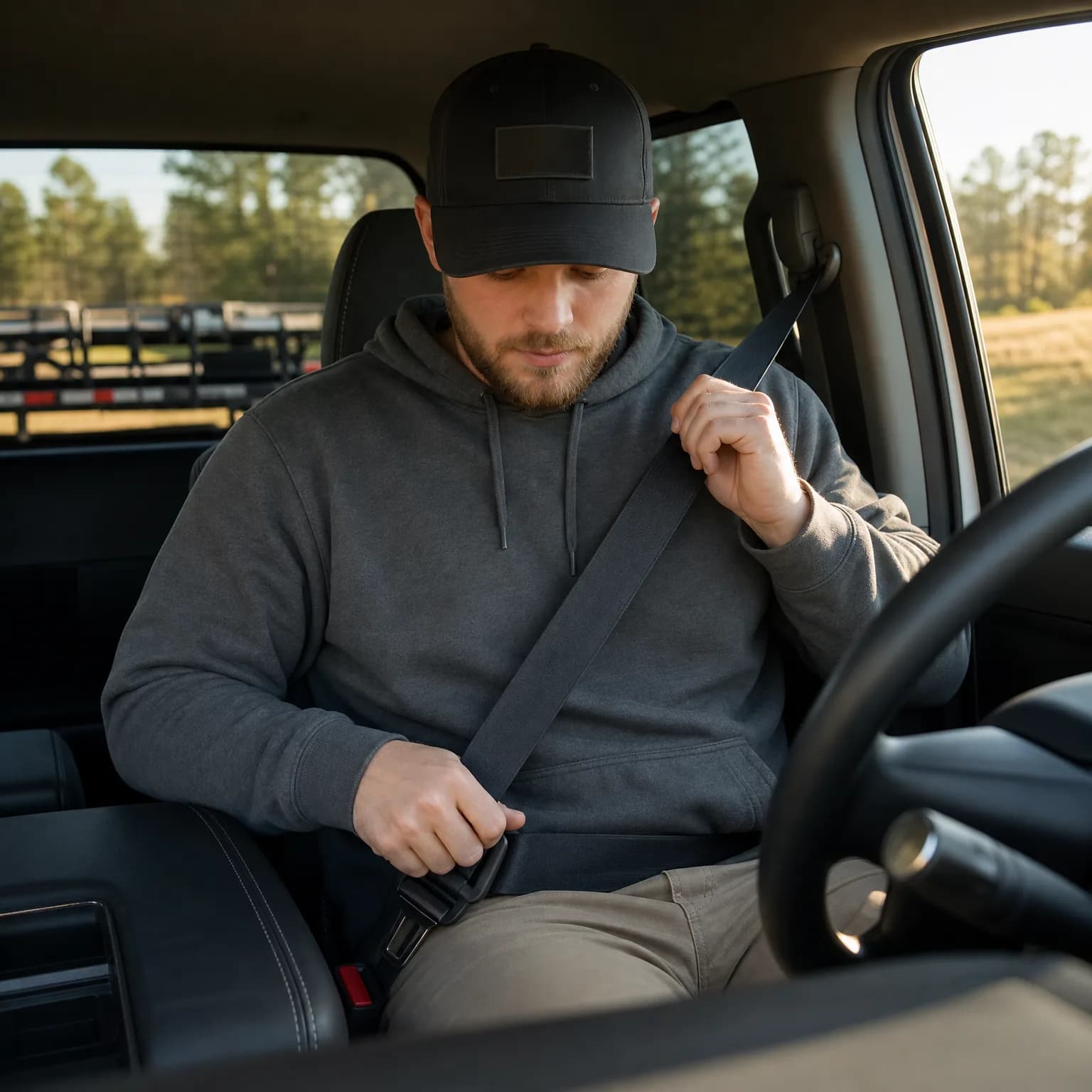
Non-Owner SR-22 With Household Vehicle Access Explained
5/17/2026