
Selling Your Car During SR-22? Here's What Happens to Your Filing
Find SR-22 Coverage NowYour SR-22 requirement doesn't end when you sell the car
SR-22 is not a vehicle filing. It is a driver filing that certifies you carry minimum liability coverage for a state-mandated period — typically three years. When you sell the car that triggered the requirement, the SR-22 obligation remains active until the filing period expires or the state releases you.
The filing is tied to your driver's license, not the vehicle title. Selling the car removes your need for comprehensive and collision coverage on that specific vehicle, but it does not satisfy the state's requirement that you maintain continuous liability insurance with an SR-22 certificate on file.
Most drivers assume selling the car means they can drop coverage entirely until they buy another vehicle. That assumption triggers a lapse notice to the DMV, an immediate suspension, and a reset of the filing clock to day zero in states that penalize lapses during the mandated period.

What happens to your insurance policy when you sell
When you sell your vehicle, your carrier removes that car from the policy. If it was your only insured vehicle, you have three options: cancel the policy and accept a coverage gap, convert to a non-owner SR-22 policy, or add another vehicle immediately.
Canceling the policy triggers an SR-22 lapse notice within 10 days in most states. Your carrier is required by law to notify the DMV when coverage ends. The DMV treats this as noncompliance — your license suspension notice typically arrives within 30 days, and your filing clock resets in states that require continuous compliance.
A non-owner SR-22 policy is liability-only coverage for drivers who do not own a vehicle. It satisfies the state's SR-22 filing requirement without insuring a specific car. This option keeps your filing active and prevents suspension while you are between vehicles. Most carriers that write SR-22 offer non-owner policies, and the monthly cost is typically 40 to 60 percent lower than a standard SR-22 auto policy because there is no collision or comprehensive exposure.
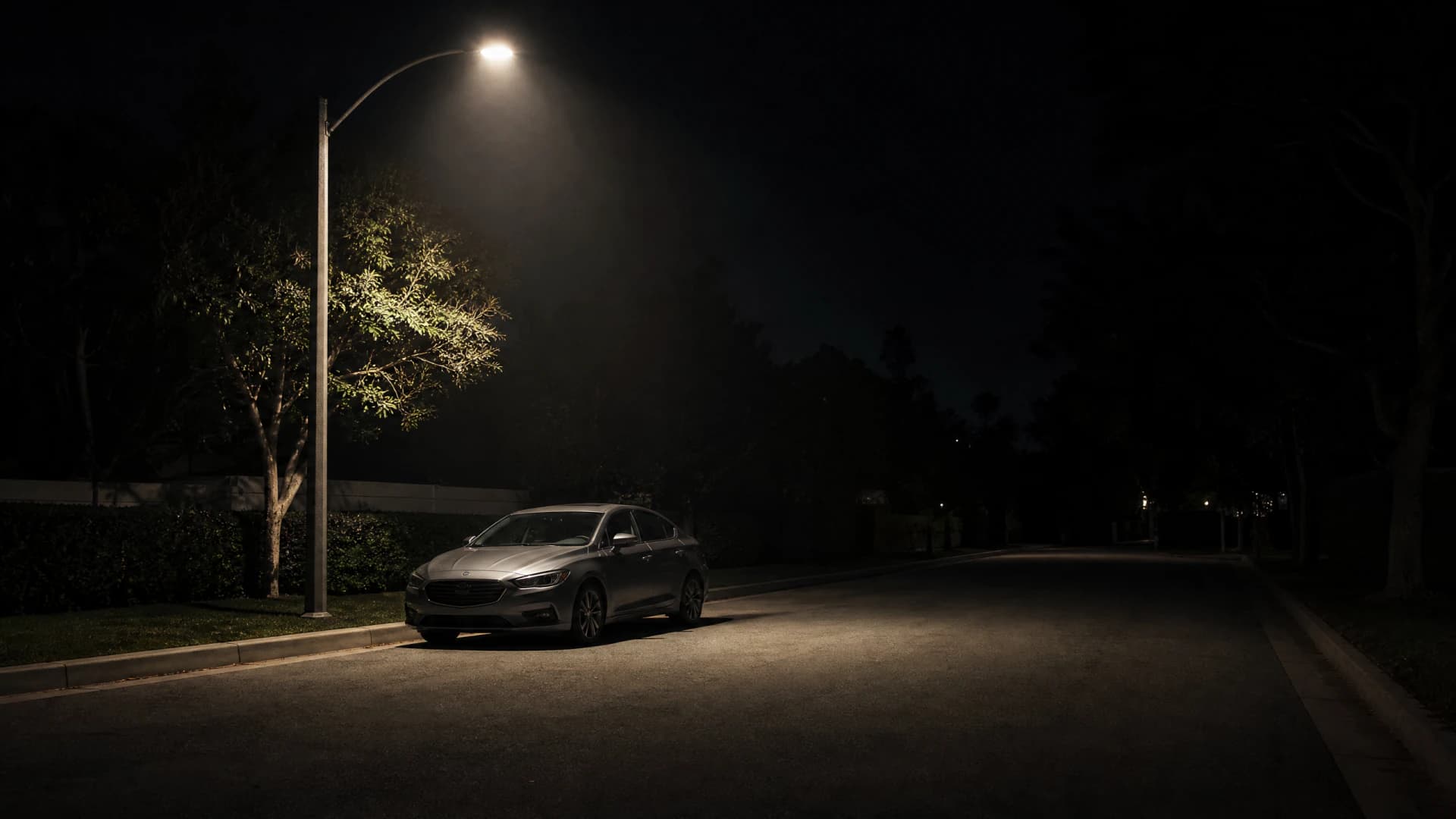

Non-owner SR-22 keeps your filing active between vehicles
A non-owner SR-22 policy provides liability coverage when you drive a vehicle you do not own — a rental, a borrowed car, or a car you are test-driving before purchase. It does not cover a vehicle you own, lease, or regularly use with the owner's permission. If you buy another car, you must convert the non-owner policy to a standard auto policy within the timeframe your carrier specifies, typically 30 days.
The policy maintains your SR-22 certificate on file with the DMV continuously. There is no lapse, no suspension, and no filing clock reset. When you buy your next vehicle, the carrier adds it to the policy, adjusts your premium to reflect the vehicle's value and your coverage selections, and the SR-22 filing continues without interruption.
Non-owner SR-22 policies cost between $30 and $90 per month depending on your violation history, state minimum liability limits, and the carrier writing the policy. A DUI with an SR-22 requirement in a high-minimum state like California will price near the top of that range. A single at-fault accident in a low-minimum state will price near the bottom.
Adding another vehicle before the sale closes prevents a gap
If you are selling one car and buying another within the same week, notify your carrier before the sale closes. Most carriers allow you to remove the sold vehicle and add the replacement vehicle on the same day with no lapse in SR-22 filing status. The certificate remains active, and the DMV receives no lapse notice.
This approach avoids the non-owner policy step entirely. Your SR-22 filing transfers from the old vehicle to the new one without a coverage gap. The premium adjusts based on the replacement vehicle's year, make, model, and your selected coverage limits, but the filing itself continues uninterrupted.
If there is any delay between selling the old car and buying the new one — even three days — your carrier will issue a lapse notice unless you convert to a non-owner policy during the gap. The lapse notice triggers suspension proceedings in most states. Reinstatement after a suspension typically requires paying a reinstatement fee, filing a new SR-22 certificate, and restarting the mandated filing period from zero.

See What Your SR-22 Should Really Cost
Find SR-22 Coverage Now
Letting your SR-22 lapse resets the filing clock in most states
A lapse is any period during your mandated filing window when you do not have an active SR-22 certificate on file with the DMV. Selling your car and canceling your policy without converting to non-owner coverage creates a lapse. The state does not distinguish between intentional cancellation and forgetting to maintain coverage — both trigger the same consequence.
In most states, a lapse of even one day during the SR-22 period resets your filing requirement to day zero. If you were two years into a three-year requirement and you lapse for 10 days, you now owe three full years from the date you refile. The clock does not pause. It resets.
Some states impose a suspension period before allowing you to refile. You may owe 30 to 90 days of hard suspension time with no driving privileges, followed by reinstatement fees between $75 and $250, before the DMV will accept a new SR-22 filing. The suspension appears on your driving record and typically increases your insurance premium by an additional 20 to 40 percent when you do find a carrier willing to refile.

Which carriers write non-owner SR-22 policies
Not all carriers that write standard SR-22 auto policies also write non-owner SR-22. Progressive, The General, Acceptance Insurance, and Bristol West write non-owner SR-22 policies in most states. State Farm and GEICO write non-owner policies in select states but route SR-22 business to specialty subsidiaries in others.
National carriers that specialize in high-risk profiles are more likely to offer non-owner SR-22 than regional carriers that focus on preferred-risk drivers. If your current carrier does not write non-owner SR-22, you will need to switch carriers to avoid a lapse when you sell your vehicle.
Switching carriers mid-filing does not affect your SR-22 requirement. The new carrier files an SR-22 certificate with the DMV on the effective date of the new policy. The old carrier files a cancellation notice on the same date. As long as there is no gap between the cancellation of the old policy and the effective date of the new policy, the state sees continuous compliance and your filing clock continues uninterrupted.
What to do the week you sell your car
Contact your insurance carrier before you finalize the sale. Tell them the exact date the vehicle will be sold and ask whether they write non-owner SR-22 policies. If they do, request a conversion effective the day after the sale closes. If they do not, ask for the effective date of your policy cancellation and shop for a non-owner SR-22 policy that starts the same day.
Do not cancel your current policy until the non-owner policy is active and the new carrier has filed the SR-22 certificate with the DMV. A single day of overlap is safer than a single hour of gap. Insurance companies file lapse notices within 10 business days — the DMV processes them faster than most drivers expect.
If you are buying another vehicle within 30 days of the sale, ask your carrier whether they will hold the policy active with no vehicle listed for that short window. Some carriers allow this. Most do not. If your carrier will not hold the policy without a vehicle, convert to non-owner coverage for the gap period, then add the new vehicle when you buy it.
Frequently Asked Questions
Can I cancel my car insurance after selling my car if I have SR-22?
You can cancel the policy, but doing so triggers an SR-22 lapse notice to the DMV and suspends your license in most states. The SR-22 filing requirement does not end when you sell the car — it follows your driver's license for the full mandated period, typically three years. Convert to a non-owner SR-22 policy to maintain compliance without owning a vehicle.
How much does non-owner SR-22 insurance cost?
Non-owner SR-22 policies typically cost between $30 and $90 per month, depending on your violation history, state minimum liability limits, and the carrier. This is 40 to 60 percent less than a standard SR-22 auto policy because there is no vehicle to insure for collision or comprehensive coverage.
What happens if I let my SR-22 lapse when I sell my car?
A lapse of even one day resets your SR-22 filing period to day zero in most states. Your license is suspended, and you owe reinstatement fees between $75 and $250 before the DMV will accept a new SR-22 certificate. Some states impose a mandatory suspension period of 30 to 90 days before you can refile.
Do all insurance companies offer non-owner SR-22 policies?
No. Progressive, The General, Acceptance Insurance, and Bristol West write non-owner SR-22 in most states. State Farm and GEICO offer it selectively. If your current carrier does not write non-owner SR-22, you will need to switch carriers to avoid a coverage gap when you sell your vehicle.
Can I switch insurance companies in the middle of my SR-22 filing period?
Yes. Switching carriers does not affect your SR-22 requirement as long as there is no gap in coverage. The new carrier files an SR-22 certificate with the DMV on the effective date of the new policy, and the old carrier files a cancellation notice the same day. Your filing clock continues uninterrupted.
Related Articles

Does SR-22 Transfer Between Vehicles You Own?
5/17/2026

Owner to Non-Owner SR-22 Conversion When You Sell
5/17/2026

SR-22 After Total Loss: Keep Your Filing Active
5/17/2026

How to Convert Non-Owner SR-22 to Owner SR-22
5/17/2026

Buying a Car During SR-22 Filing: Avoid Gaps
5/17/2026
SR-22 Non-Renewal: Replace Coverage Before the Lapse
5/17/2026