
How to Keep Your SR-22 Active Between Jobs Without Coverage Gaps
Find SR-22 Coverage NowWhat happens to your SR-22 filing when you lose employer-sponsored auto insurance?
Your SR-22 filing cancels within 10-30 days after your policy ends, depending on your state's notification period. Your insurer reports the lapse to the DMV electronically, and your license suspension reinstates immediately in most states. The filing clock resets to zero — if you were 18 months into a 3-year requirement, you start over from day one when you refile.
Employer-sponsored group auto policies typically terminate on your last day of employment or at the end of the month. You have no grace period for SR-22 — continuous coverage means zero gaps, not "close enough." A weekend without coverage between jobs triggers the same lapse consequences as a six-month gap.
Most states require 15-30 days to process SR-22 reinstatement after a lapse. You cannot legally drive during that window even if you buy a new policy immediately. The reinstatement fee applies again — typically $50-$150 depending on state — on top of your new policy premium and SR-22 filing fee.

Named non-owner SR-22 policies bridge the gap when you don't have a daily-use vehicle
A named non-owner policy maintains your SR-22 filing without insuring a specific vehicle. You're covered when driving rental cars, borrowed vehicles, or occasional-use cars you don't own. The policy costs 40-60% less than a standard SR-22 policy because it excludes collision and comprehensive coverage — you're buying liability-only protection.
This coverage type works for unemployment periods, job transitions, or any situation where you're not commuting daily but still need an active SR-22 on file. Monthly premiums typically range $30-$80 depending on your violation history and state minimums. You can cancel the non-owner policy and switch back to a standard policy the day you start a new job with no lapse.
Not every carrier writes named non-owner SR-22. Progressive, The General, and National General actively offer this product in most states. State Farm and GEICO route non-owner SR-22 requests to specialty subsidiaries or decline them entirely in some regions. If your current carrier doesn't write non-owner policies, you'll need to switch carriers to avoid a lapse.

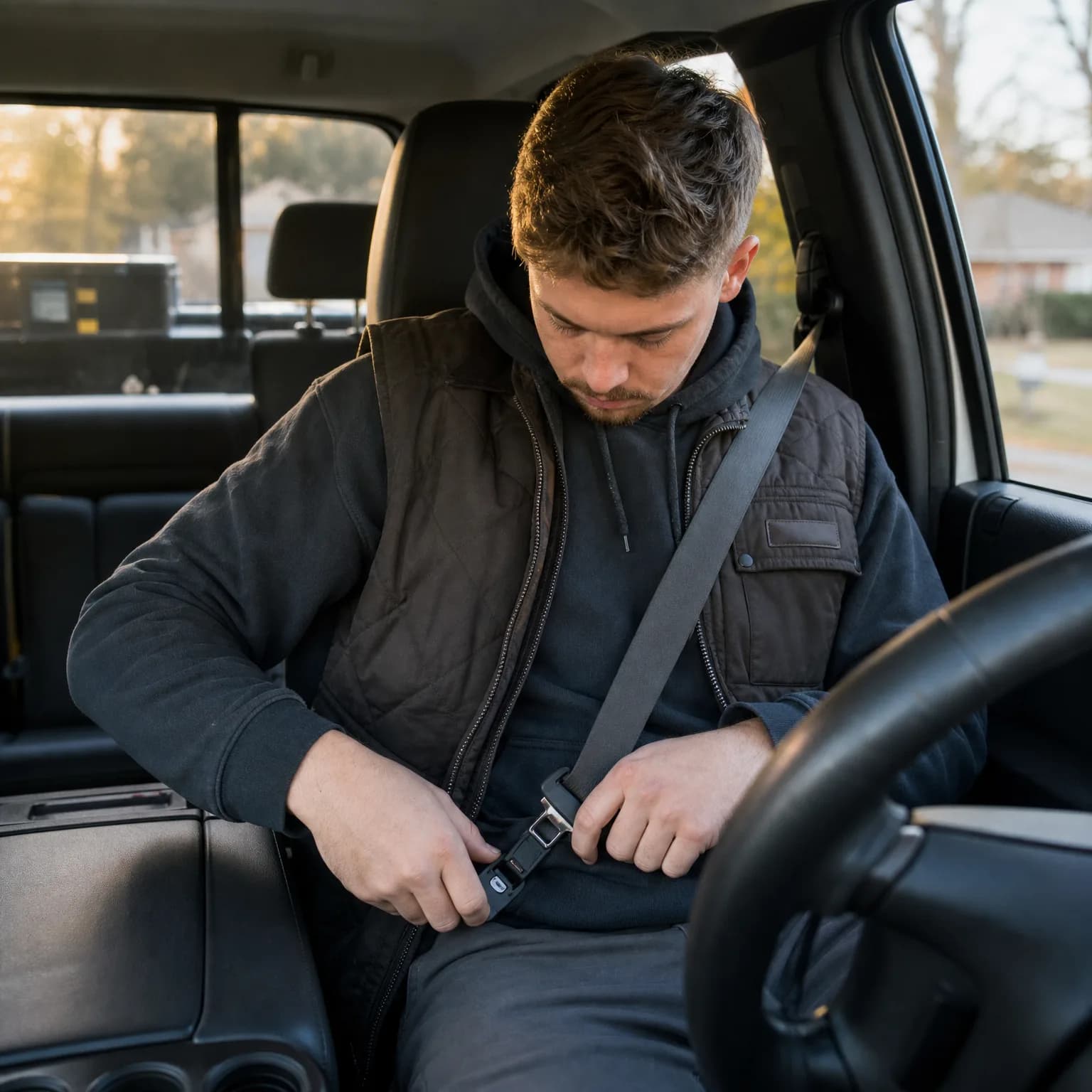
Switching carriers mid-filing period without creating a coverage gap
Buy your new policy with an effective date at least one day before your current policy ends. Most carriers allow you to set an effective date 1-30 days in the future when you purchase online or by phone. Overlap is safer than threading the needle — a single day of dual coverage costs less than reinstatement fees and restarting your filing clock.
Your new carrier files the SR-22 with the state DMV when your policy becomes effective. Your old carrier files a cancellation notice when their policy ends. The state's system tracks both filings by date — as long as the new SR-22 effective date precedes the old policy end date, you maintain continuous certification. Most states process this automatically with no action required from you.
Confirm your new carrier has filed the SR-22 before you cancel your old policy. Call the DMV or check your state's online license portal 3-5 business days after your new policy effective date. If the filing doesn't appear, contact your new carrier immediately — don't cancel your old policy until the new SR-22 is on record with the state.
COBRA coverage and SR-22 continuation — when employer plans carry forward
COBRA applies to health insurance, not auto insurance, in most contexts. Employer-sponsored auto coverage typically terminates on your separation date with no continuation option. A few union-negotiated or executive-level group auto plans include post-employment continuation periods — check your benefits documentation if you were covered under a group fleet or association policy.
If your employer-sponsored policy does offer continuation, the premium usually increases 102-150% of the group rate because your former employer stops subsidizing the cost. You're also locked into the same coverage limits and SR-22 filing status that existed during employment. For most drivers, buying an individual non-owner policy costs less than continued group coverage and offers more flexibility to adjust limits or switch carriers.
Group auto policies rarely survive job changes. Plan to replace your coverage before your last day of work, not after. Waiting until you're already unemployed compresses your timeline and increases the risk of a lapse if underwriting takes longer than expected.

See What Your SR-22 Should Really Cost
Find SR-22 Coverage Now
State-specific lapse consequences and reinstatement timelines for SR-22 filers
California adds one year to your SR-22 filing period for every lapse, regardless of gap length. A single day without coverage extends your requirement from 3 years to 4 years. Florida suspends your license immediately and requires a $150 reinstatement fee plus a new $25 SR-22 filing fee. Virginia assesses a $500 uninsured motorist fee on top of reinstatement costs and restarts your 3-year filing clock.
Most states reset your filing duration to the original term when you lapse. If you were 2 years into a 3-year requirement, you owe 3 full years from the date you refile, not 1 remaining year. The filing period clock doesn't pause during unemployment or financial hardship — it runs continuously or resets completely. There is no partial credit for time served before a lapse.
Reinstatement processing takes 10-30 days in most states after you file new SR-22 proof and pay reinstatement fees. You cannot drive legally during that window even if you have active insurance. Some states require you to retake written or road tests after long lapses. Budget both the financial cost and the timeline cost when evaluating whether a non-owner policy is worth maintaining during unemployment.

Monthly payment plans and unemployment — keeping coverage active with reduced income
Most carriers require automatic monthly payments via bank account or debit card for SR-22 policies. Credit card payments sometimes incur a 2-3% processing fee per transaction. A missed payment triggers a 10-day notice of cancellation in most states, followed by automatic policy termination and SR-22 lapse notification to the DMV if you don't cure the missed payment within that window.
Switch to the minimum state-required liability limits if you need to reduce your premium during unemployment. Dropping from 100/300/100 coverage to your state's minimum 25/50/25 requirement can cut your monthly cost by 30-50%. You're legally compliant as long as you meet state minimums — higher limits are optional. You can increase limits again when you return to work.
Some carriers offer skip-a-payment programs or hardship deferral for policyholders facing temporary unemployment. Call your carrier before you miss a payment — most will work with you if you contact them proactively. Letting a payment fail without communication almost always results in immediate cancellation and lapse reporting. A single phone call can prevent a filing clock reset that costs you 12-36 additional months of SR-22 requirements.
How long you must maintain SR-22 after returning to work — and when the clock actually ends
Your filing period runs from the date your SR-22 was first filed with the state after your triggering violation, not from the date of the violation itself. If you were convicted of DUI in January but didn't file SR-22 until March, your 3-year clock starts in March. Any lapse resets that start date to the day you refile, regardless of how much time passed before the lapse.
Your carrier will notify the state automatically when your filing period ends — you don't need to file paperwork or request termination in most states. Confirm the end date with your state DMV 30 days before you expect your requirement to expire. Some states require you to maintain SR-22 for the full term plus any suspension period that ran concurrently, which can extend your filing obligation beyond the standard 3-year window.
Returning to work doesn't shorten your filing period. You owe the full term regardless of employment status, income changes, or how long you've gone without another violation. The clock is mechanical — it counts days of continuous coverage, not good behavior or financial hardship. Maintaining a non-owner policy during unemployment protects the time you've already served and prevents extensions that add years to your requirement.
Frequently Asked Questions
Can I pause my SR-22 filing during unemployment and restart it later?
No. SR-22 filings cannot be paused or put on hold in any state. A gap of even one day without active coverage triggers a lapse report to the DMV, reinstates your license suspension, and resets your filing period clock to zero. You must maintain continuous coverage for the entire required term.
Does unemployment count as a valid reason to reduce my SR-22 filing period?
No. Filing periods are set by state law or court order based on your violation type, not your employment or financial status. Most states require 3 years of continuous SR-22 coverage after a DUI regardless of income changes, job loss, or hardship. The clock runs continuously or resets if you lapse.
How much does a named non-owner SR-22 policy cost compared to a standard policy?
Named non-owner SR-22 policies typically cost $30-$80 per month, roughly 40-60% less than a standard SR-22 policy with collision and comprehensive coverage. You're buying liability-only protection for occasional driving, not insuring a specific vehicle you own or lease.
What happens if I let my SR-22 lapse and then get pulled over?
You're driving on a suspended license, which is a criminal misdemeanor in most states. Penalties typically include immediate vehicle impoundment, $500-$2,500 fines, possible jail time, and an additional 6-12 month license suspension on top of your existing SR-22 requirement. Your SR-22 filing clock resets to zero when you reinstate.
Can I buy SR-22 insurance from any carrier or do I need a specialist?
Most standard carriers like State Farm and GEICO either don't write SR-22 policies or route them to specialty subsidiaries. Progressive, The General, National General, and Bristol West actively write SR-22 in most states. Named non-owner SR-22 policies have even fewer carrier options — confirm your carrier writes this specific product type before switching.
Related Articles

Keep SR-22 Valid During International Travel (90+ Days)
5/17/2026

SR-22 After Total Loss: Keep Your Filing Active
5/17/2026

Do I Need SR-22 If I Never Plan to Drive Again?
5/17/2026

SR-22 for Seasonal Drivers: Filing Rules & Costs
5/17/2026

SR-22 Fraud: Filing Without Coverage Consequences
5/17/2026

Non-Owner SR-22 Insurance: Coverage Without a Car
5/17/2026