
Ignition Interlock vs SR-22 Premium Surge: Real DUI Cost Breakdown
Find SR-22 Coverage NowWhat an ignition interlock device actually costs you monthly
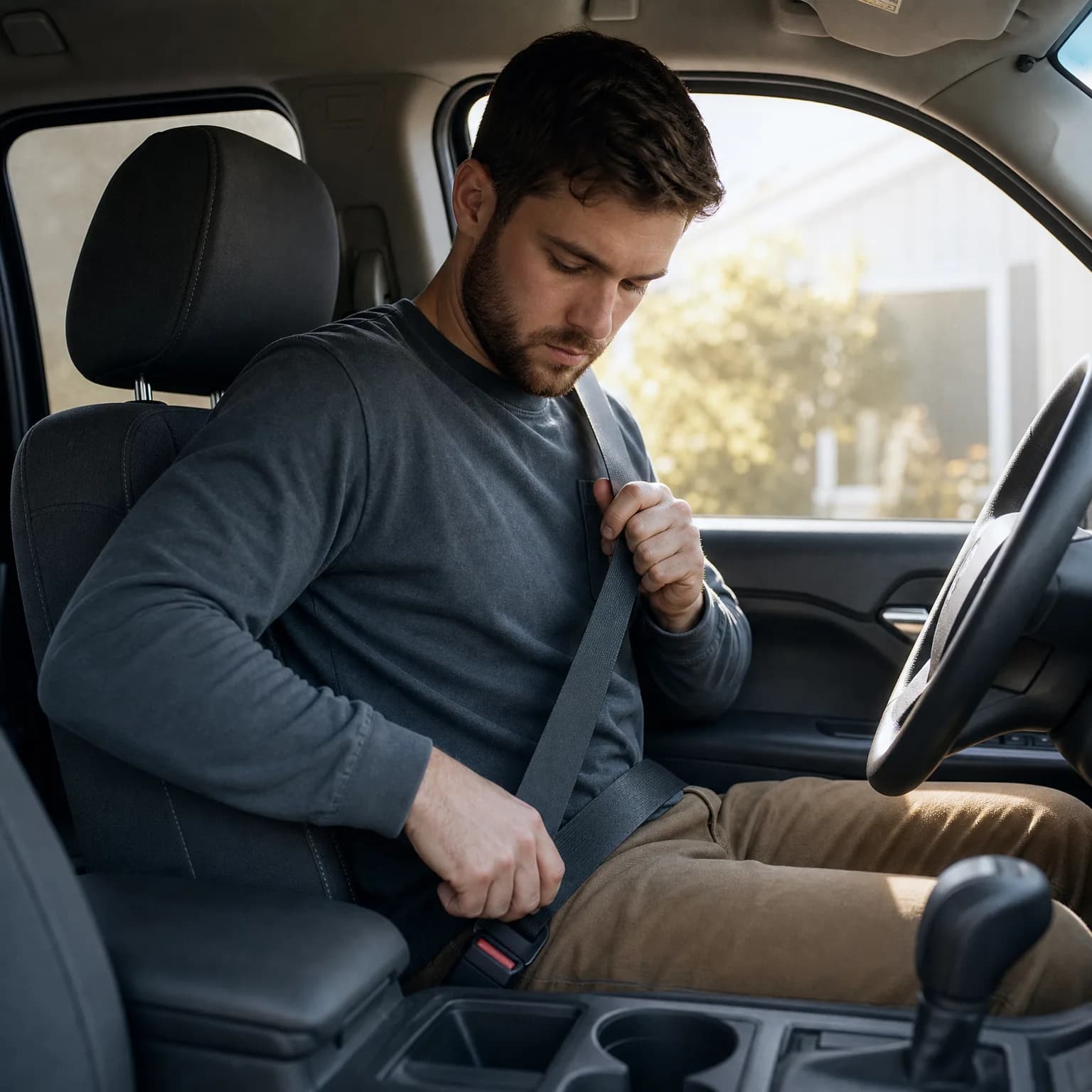
An ignition interlock device costs $70–$150 per month to rent from the state-approved vendor, plus a one-time installation fee of $50–$200. Most states require the device for 6–12 months minimum after a first DUI, longer for repeat offenses or high BAC levels. You pay the vendor directly — this is separate from your insurance premium.
The device requires calibration visits every 30–60 days, billed at $50–$80 per visit. Some vendors bundle calibration into the monthly rental; others charge separately. If you fail a rolling retest or attempt to tamper with the device, most state programs extend your required installation period by 30–90 days. That extension resets your compliance clock and delays the date you can remove the device.
Total cost for a 12-month interlock requirement: $1,100–$2,300 including installation, monthly rental, and calibration. That figure assumes zero failed retests and no program extensions. States do not reimburse interlock costs, and only a handful offer hardship waivers for low-income drivers.

How the SR-22 filing increases your insurance premium after a DUI
The SR-22 filing itself costs $15–$50 as a one-time fee paid to your carrier or the state. That filing fee is trivial. The rate increase comes from the DUI conviction on your motor vehicle record, not from the SR-22 certificate. Carriers treat a DUI as a major violation and reprice your policy into high-risk or non-standard tiers.
A DUI typically triggers a 70–130% rate increase for liability coverage. If you were paying $110/month before the conviction, expect $190–$250/month after, depending on your state, age, and prior record. That elevated rate lasts 3–5 years in most states — the period the DUI remains a rating factor on your MVR, not the period you're required to carry the SR-22 filing.
Most states require SR-22 for 3 years after a DUI, but your rates stay elevated until the conviction ages off entirely. In California, a DUI stays on your record for 10 years. Your SR-22 filing requirement ends after 3 years, but your premium doesn't drop to standard rates until year 10. The filing is the proof your state requires; the conviction is what the carrier prices.
The hidden interaction: how interlock compliance extends your SR-22 timeline
Several states tie the start of your SR-22 filing period to the date you complete interlock installation, not the date of conviction or license reinstatement. If your DUI occurred in January but you didn't install the device until April, your 3-year SR-22 clock starts in April. That delay adds three months to your total compliance timeline.
Other states require successful completion of the interlock program before they'll accept an SR-22 filing at all. If you're required to use the device for 12 months and you trigger a program extension due to a failed retest, your SR-22 filing period doesn't begin until you finish the extended interlock term. A single failed breath test can delay your SR-22 start date by 30–90 days, which means 30–90 additional days of elevated premiums and filing requirements on the back end.
This interaction isn't disclosed clearly on most DMV reinstatement notices. The interlock vendor tells you when the device can be removed. The DMV tells you when your SR-22 filing period ends. Those two dates are often calculated from different trigger points, and missing the connection costs you months of unnecessary premiums.
Which cost hits harder: device rental or insurance premium surge
For a 12-month interlock requirement, expect $1,100–$2,300 in total device and calibration costs. For a 3-year SR-22 filing period with a DUI on your record, expect $2,900–$5,000 in additional premium costs compared to your pre-DUI rate, assuming a $80/month rate increase over 36 months. The insurance premium increase is the larger financial impact by a factor of two to three.
The device rental ends when your compliance period is complete — 6–24 months depending on your state and offense. The rate increase persists until the DUI conviction ages off your MVR, which takes 3–10 years depending on state. Even after your SR-22 filing requirement ends, you'll continue paying elevated rates until the conviction is no longer a rating factor.
Most drivers focus on the interlock cost because it's visible and paid monthly to a vendor. The rate increase is diffuse — rolled into your auto insurance premium alongside other line items — but it's the larger and longer-lasting expense. Budgeting for both simultaneously is critical during the first 12 months post-conviction, when you're paying device rental and elevated premiums at the same time.

See What Your SR-22 Should Really Cost
Find SR-22 Coverage Now
How removing the interlock affects your SR-22 insurance rate
Removing the ignition interlock device after your required compliance period ends does not reduce your SR-22 insurance premium. The device requirement and the insurance rate increase are triggered by the same DUI conviction, but they're priced and tracked separately. Your carrier doesn't receive notification when the device is removed, and the removal itself doesn't change your MVR.
Your premium drops when the DUI conviction ages past the lookback period your carrier uses for rating — typically 3–5 years from the conviction date. Some carriers begin reducing DUI surcharges after 3 years if you maintain a clean record during that window. Others hold the elevated rate for the full 5-year period regardless of subsequent driving history.
SR-22 filings and interlock compliance are reinstatement requirements — steps you must complete to regain driving privileges. Rate reductions are underwriting decisions based on how long the violation has been on your record. Finishing the interlock program on time keeps you compliant with your state; it doesn't accelerate the timeline for rate relief from your carrier.

What happens if you let your SR-22 lapse while paying for the interlock
If your SR-22 filing lapses for any reason — missed premium payment, policy cancellation, voluntary removal — your state DMV receives an SR-26 notice from your carrier within 10 days. Most states immediately suspend your license and reset your SR-22 filing period to zero. You'll need to reinstate, file a new SR-22, and restart the 3-year clock even if you were 30 months into your original filing period.
Interlock compliance and SR-22 filing compliance run in parallel, but they're enforced separately. Your interlock vendor reports failed retests and calibration no-shows to the DMV, which can extend your device requirement. Your insurance carrier reports SR-22 lapses to the DMV, which suspends your license. Both programs must remain in good standing simultaneously during the overlap period.
If you're 8 months into a 12-month interlock requirement and your SR-22 lapses, you lose credit for those 8 months of device compliance in most states. Your license is suspended, your interlock requirement pauses until you reinstate, and your SR-22 clock resets. The financial cost of a lapse — reinstatement fees, new SR-22 filing, extended interlock rental, additional months of high-risk premiums — typically exceeds $1,500–$2,500.
Which carriers write SR-22 policies for drivers with active interlock requirements
Most standard carriers — State Farm, Allstate, GEICO for standard-tier business — do not write new policies for drivers with an active DUI and interlock requirement. They'll maintain your existing policy if you're already insured and receive a DUI, but they reprice you into a non-standard subsidiary or non-renew you at the end of your term.
Carriers that actively write SR-22 for interlock-required drivers include Progressive, The General, Direct Auto, Acceptance Insurance, and state-assigned risk pools. These carriers specialize in high-risk profiles and price DUI violations into their standard underwriting models. You'll pay elevated rates, but you'll receive a quote and coverage without being turned down.
Some drivers attempt to secure SR-22 coverage without disclosing the interlock requirement to the carrier. This is ineffective — the DMV filing that triggers SR-22 also documents the interlock mandate, and carriers pull your full MVR during underwriting. Misrepresenting your interlock status can result in policy rescission, which creates a coverage gap and triggers another SR-22 lapse.
Frequently Asked Questions
Does the ignition interlock device lower my SR-22 insurance rate?
No. The interlock device is a reinstatement requirement enforced by your state DMV, not an insurance product. Your SR-22 premium is based on the DUI conviction on your motor vehicle record, and removing the device after your compliance period ends does not reduce your rate. Premium reductions occur when the DUI ages past your carrier's lookback period, typically 3–5 years from the conviction date.
Can I get SR-22 insurance before I install the interlock device?
In most states, yes — you can secure SR-22 coverage and file the certificate before completing interlock installation. However, several states tie the start of your SR-22 filing period to your interlock installation date or require proof of device compliance before accepting the SR-22. Check your reinstatement notice for sequencing requirements specific to your state and violation.
What happens to my interlock requirement if my SR-22 insurance lapses?
Your license is suspended immediately in most states when an SR-22 lapses, which pauses your interlock compliance timeline until you reinstate. You do not receive credit for device rental months served while your license was suspended, and most states reset your SR-22 filing period to zero after a lapse, which can extend your total compliance timeline by 12–36 months.
How much does SR-22 insurance cost with a DUI and interlock device?
Expect $190–$250/month for minimum liability coverage with an SR-22 filing after a DUI, compared to $110/month pre-conviction. The SR-22 filing fee itself is $15–$50 one-time; the rate increase comes from the DUI on your record. Add $70–$150/month for interlock device rental during your compliance period. Total cost during the overlap: $260–$400/month.
Do all insurance carriers require an interlock device for SR-22 coverage?
No. The interlock device is mandated by your state DMV based on your violation type, BAC level, and prior offense history — not by your insurance carrier. Your carrier provides SR-22 coverage regardless of whether you're required to use an interlock, but they price your policy based on the DUI conviction that triggered both requirements.
Related Articles

SR-22 + Ignition Interlock: Real Monthly Costs
5/17/2026
SR-22 vs Ignition Interlock: Which Ends First?
5/17/2026

Interlock Removal With Active SR-22: What Changes
5/17/2026
SR-22 Premium Increase: DUI vs Refusal vs Hit-and-Run
5/17/2026

SR-22 Carriers for Ignition Interlock in Arizona
5/17/2026
SR-22 & Ignition Interlock in CA: 18-Month Timeline
5/17/2026