
Missed Interlock Appointment: SR-22 Filing & License Impact
Find SR-22 Coverage NowWhat happens when you miss your ignition interlock service appointment?
Your ignition interlock device provider reports the missed appointment to your state DMV within 24 to 48 hours in most jurisdictions. This report triggers an automatic compliance violation under your restricted driving permit or SR-22 filing requirement. Your device enters lockout mode after a grace period, typically 5 to 7 days past the missed appointment date, preventing the vehicle from starting until you complete the overdue calibration.
The violation appears on your DMV record before you receive written notice. Most states do not send advance warning — the first notification arrives 10 to 21 days after the missed appointment, informing you of the violation and potential consequences. If you are driving under a restricted license with SR-22 filing as a condition of reinstatement, this missed appointment extends your filing requirement by 3 to 12 months depending on state rules and your violation history.
SR-22 carriers receive notification of the interlock violation through automated DMV reporting systems. Some carriers cancel coverage immediately under policy terms that treat interlock violations as material misrepresentation. Others add a surcharge or move you to a higher-risk tier at renewal. The rate increase typically ranges from 15% to 40% on top of your existing high-risk premium.
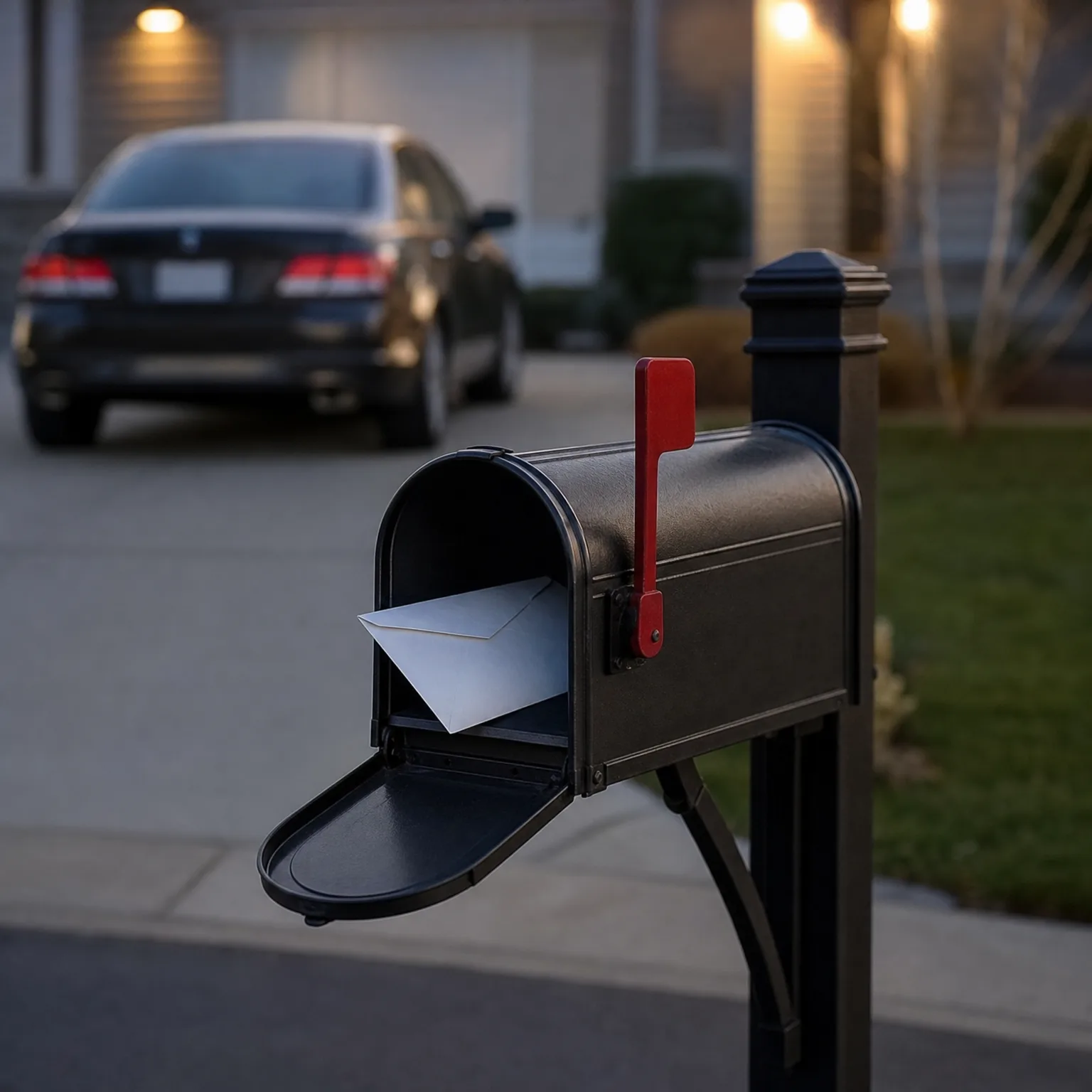
How an interlock violation affects your SR-22 filing period
Your SR-22 filing clock resets or extends when a compliance violation is reported during the required filing period. A missed interlock appointment qualifies as a compliance violation in every state that mandates interlock as a condition of license reinstatement. If you were 18 months into a 3-year SR-22 requirement, the missed appointment typically restarts the clock to zero or adds 6 to 12 months to your remaining period.
States that use point-based compliance systems treat interlock violations as 2 to 4 points against your restricted license. Accumulating points during your SR-22 period extends the filing requirement by one penalty cycle — usually 12 months — for each violation recorded. Ohio, for example, requires 3 years of continuous SR-22 filing after a DUI. A single interlock violation during that period adds 12 months, resetting your end date from 36 months to 48 months.
The extension is automatic. You do not receive a hearing or opportunity to contest the violation before the filing period extends. Your only recourse is to request an administrative review after the fact, which succeeds in fewer than 10% of cases unless the missed appointment was caused by provider error, medical emergency, or documented vehicle malfunction.


Can you fix the violation after rescheduling your appointment?
Completing the overdue service appointment within 7 to 10 days of the original missed date prevents device lockout but does not remove the violation from your DMV record. The interlock provider files a compliance report showing the missed appointment and a separate report showing the completed makeup appointment. Both reports remain on file. Your DMV evaluates whether the late completion qualifies as mitigating evidence, but most states apply the violation penalty regardless of how quickly you rescheduled.
Some jurisdictions allow a one-time grace period for first violations. If this is your first missed appointment during your interlock requirement and you reschedule within 72 hours, the DMV may issue a warning instead of extending your SR-22 filing period. This grace provision exists in fewer than 15 states and applies only if you have no prior interlock violations or failed breath tests on record.
You can request a compliance review hearing if you believe the missed appointment was caused by provider error, such as a cancelled appointment you were not notified about, or a service location that closed without offering an alternate site. Bring documentation: email or text confirmations of your original appointment, communication with the provider, and proof of your attempt to reschedule. Success rates are low, but documented provider fault occasionally results in violation removal.

See What Your SR-22 Should Really Cost
Find SR-22 Coverage NowWhat carriers do when they receive an interlock violation notice
SR-22 carriers receive automated violation notices from your state DMV, typically within 5 to 10 business days of the reported missed appointment. The notice lists the violation type, date, and whether your license status changed as a result. Carriers evaluate the violation under your policy terms. Most non-standard auto policies include a clause allowing immediate cancellation for compliance violations during a court-ordered monitoring period.
Carriers that do not cancel outright apply a surcharge at your next renewal, usually 15% to 40% above your current premium. The surcharge remains in effect for 12 to 36 months, depending on the carrier and whether you incur additional violations. If you were already paying high-risk rates due to your DUI or SR-22 requirement, the additional surcharge can push your monthly premium above affordable thresholds, forcing you to shop for a different carrier willing to write interlock-violation drivers.
Finding a replacement carrier after an interlock violation is harder than finding initial SR-22 coverage. Most standard and preferred carriers exclude drivers with active interlock violations. Non-standard carriers that accept interlock drivers charge 20% to 50% more than they quote for SR-22-only drivers without device violations. Expect quotes in the range of $180 to $320 per month for state minimum liability with SR-22 filing, compared to $120 to $200 per month before the violation.
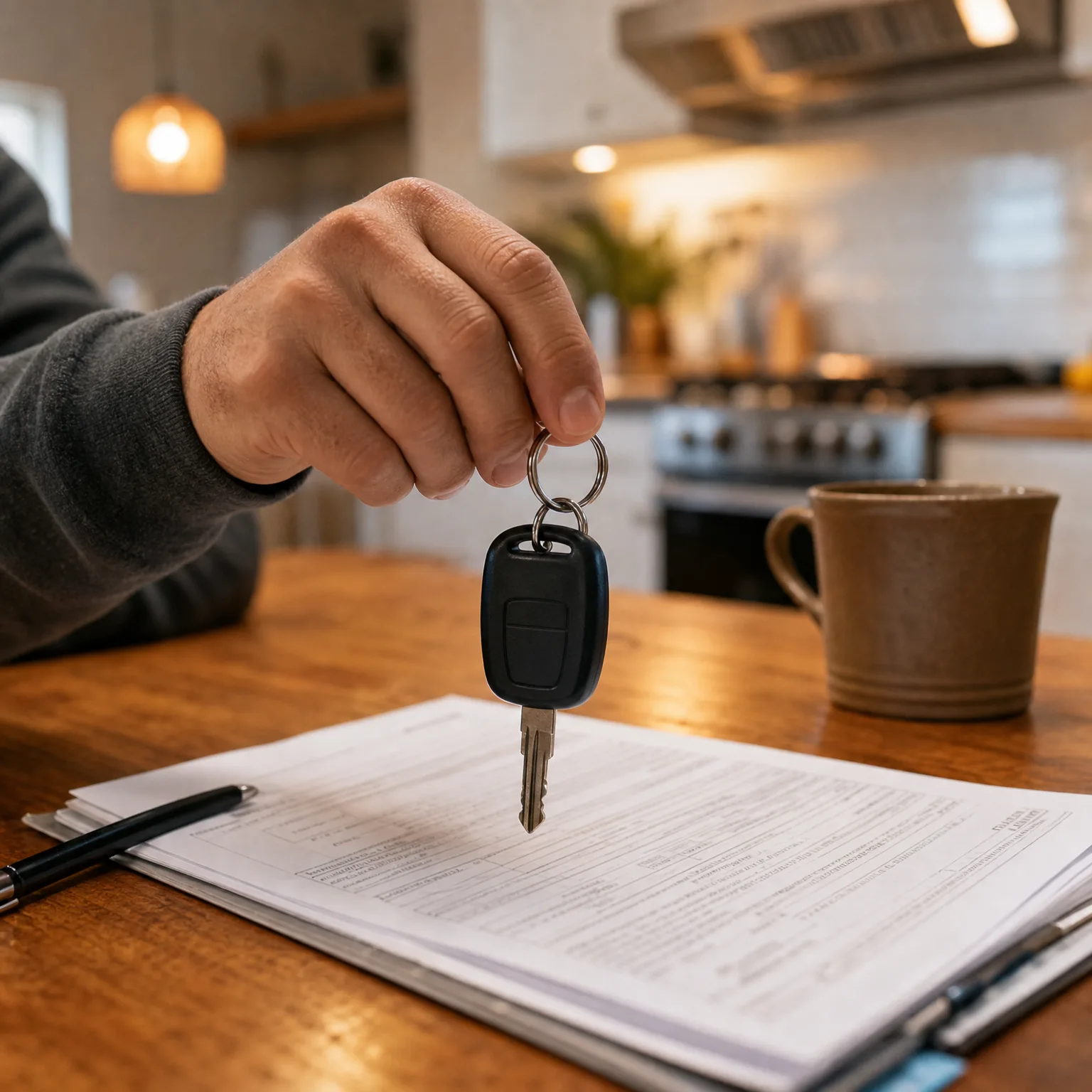
How to prevent further violations and protect your SR-22 status
Set calendar reminders 7 days before every scheduled interlock service appointment. Providers require calibration every 30 to 60 days depending on your state and device model. Missing a second appointment during your monitored period results in immediate restricted license suspension in most states, with reinstatement requiring a new court hearing and extended SR-22 filing period of 12 to 24 additional months.
Confirm your appointment 48 hours in advance by phone or through the provider's online portal. Service locations occasionally close, reschedule, or experience equipment shortages that force appointment cancellations. If the provider cancels your appointment, request written confirmation and an alternate appointment within the same compliance window. Do not assume the cancellation exempts you from the service deadline.
If an emergency prevents you from attending your scheduled appointment, contact your interlock provider and your DMV compliance officer within 24 hours. Document the emergency with medical records, police reports, or employer verification if applicable. Most states do not waive violations for emergencies, but contemporaneous documentation improves your odds at an administrative review hearing.

Does this affect your ability to get SR-22 coverage going forward?
An interlock violation on your record categorizes you as a higher-tier risk for the remainder of your SR-22 filing period and for 3 to 5 years afterward. Carriers use tiered risk models that separate SR-22 drivers into compliance subgroups. Clean SR-22 filers with no violations during the monitored period qualify for mid-tier non-standard rates. SR-22 filers with interlock violations, failed tests, or missed appointments move to the highest-risk tier, where fewer carriers compete and premiums run 30% to 60% higher.
Your current carrier may non-renew your policy rather than offer a renewal quote. Non-renewal is not the same as cancellation — you remain covered through the end of your current policy term, giving you 30 to 60 days to find replacement coverage. Use that window to compare quotes from non-standard carriers that specialize in high-risk and interlock-violation drivers. Expect to provide a certified copy of your driving record, interlock compliance report, and SR-22 filing proof during the underwriting process.
Some states maintain assigned risk pools for drivers unable to find voluntary market coverage. If no carrier will write you after the interlock violation, your state's assigned risk plan guarantees coverage at state minimum liability limits with SR-22 filing. Premiums in assigned risk pools run 40% to 80% higher than voluntary market non-standard rates, but coverage is guaranteed as long as you pay the premium and maintain the interlock device.
Frequently Asked Questions
Can I reschedule my interlock appointment without penalty if I do it the same day?
No. Most interlock providers report the missed appointment to your DMV within 24 hours regardless of when you reschedule. The violation is logged based on the original missed appointment date, not the rescheduled date. Rescheduling immediately prevents device lockout but does not prevent the compliance violation from appearing on your record.
Will my insurance company cancel my SR-22 policy if I miss one interlock appointment?
It depends on your carrier and policy terms. Some non-standard carriers cancel immediately for any interlock violation during a monitored period. Others apply a surcharge at renewal or move you to a higher-risk pricing tier. Review your policy declarations page for the compliance violation clause to understand your specific carrier's rules.
How long does an interlock violation stay on my driving record?
Interlock violations remain on your DMV record for 3 to 7 years depending on your state. The violation is treated similarly to a moving violation for record retention purposes. It affects your insurance rates and eligibility for standard coverage for the full retention period even after your SR-22 filing requirement ends.
Can I switch to a different interlock provider to avoid the violation?
No. Switching providers does not remove the missed appointment violation from your DMV record. The new provider will access your compliance history and see the prior violation. Switching may delay your next required service appointment, but it will not erase the violation already reported by your original provider.
Does a missed interlock appointment count as a DUI for insurance purposes?
No, but carriers treat it as a compliance violation that indicates ongoing high-risk behavior. It does not add DUI points to your record or trigger the same premium increase as a new DUI conviction, but it does extend your SR-22 filing period and moves you into a higher-risk underwriting tier for 12 to 36 months.
Related Articles

Interlock Lockouts & SR-22: What Carriers See
5/17/2026

Interlock Removal With Active SR-22: What Changes
5/17/2026

Interlock Violations and SR-22: What Gets Reported
5/17/2026

Switching SR-22 Carriers with Ignition Interlock Device
5/17/2026

SR-22 vs Ignition Interlock: Which Ends First?
5/17/2026
Interlock Removal & SR-22 Graduation: 90-Day Prep Guide
5/17/2026