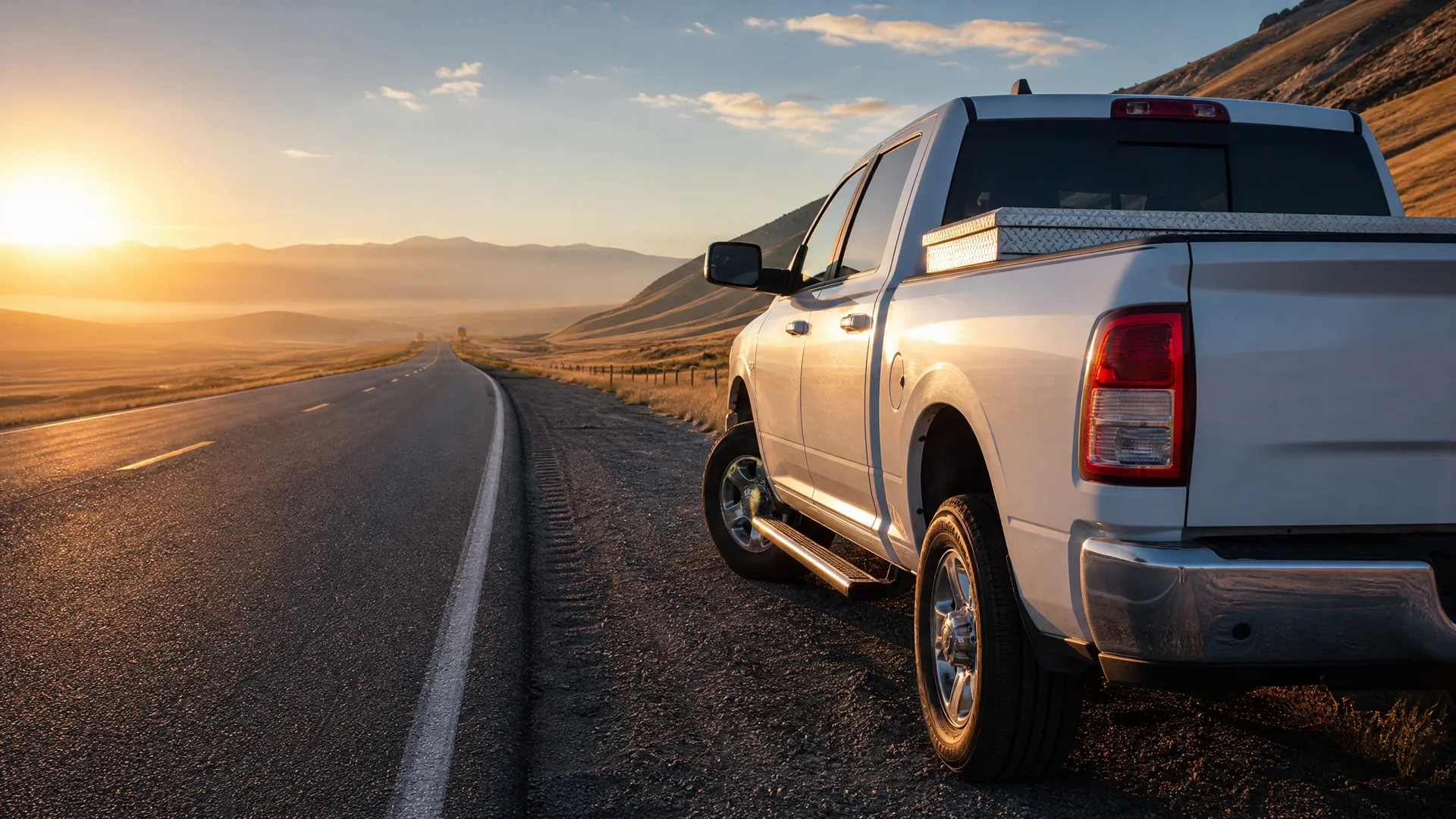
Owner vs Non-Owner SR-22: Cost and Coverage Differences
Find SR-22 Coverage NowWhat Non-Owner SR-22 Actually Covers
Non-owner SR-22 is a liability-only insurance policy with an SR-22 certificate attached. It covers injury and property damage you cause while driving someone else's car. It does not cover damage to the vehicle you're driving or your own injuries.
The SR-22 certificate itself is just a filing your insurer submits to your state DMV proving you carry the state minimum liability coverage. Non-owner policies meet that requirement because they provide liability coverage — the state doesn't care whether you own the car you're insuring as long as continuous coverage exists.
Most states require $25,000/$50,000/$25,000 minimum liability limits, though some require higher floors. Non-owner policies carry these minimums by default. You can buy higher limits, but most carriers writing non-owner SR-22 start you at state minimums to keep premiums low.
What Owner SR-22 Adds to the Base Filing
Owner SR-22 attaches the filing certificate to a standard auto insurance policy on a car you own and drive regularly. That policy includes liability coverage plus optional collision and comprehensive — protection for your vehicle's repair or replacement costs after an accident, theft, or weather damage.
The SR-22 filing fee is the same whether you attach it to an owner or non-owner policy — typically $15–$50 depending on your state and carrier. The cost difference comes entirely from the base policy. Owner policies cost more because they cover a specific vehicle's physical damage risk, which non-owner policies exclude.
If you lease or finance a car, your lender requires collision and comprehensive coverage. Non-owner SR-22 won't satisfy that requirement. You need owner SR-22 attached to a full-coverage policy.

Cost Comparison by Driver Profile
A non-owner SR-22 policy typically costs $300–$500 per year for a driver with a DUI or major violation. An owner SR-22 policy on the same driver profile costs $1,200–$3,000 per year depending on the vehicle, coverage limits, and state.
The rate increase from SR-22 filing itself is minimal — usually $15–$50 annually. The larger increase comes from your violation or suspension triggering high-risk classification. A DUI raises your base rate 70–130% regardless of whether you file owner or non-owner SR-22.
Non-owner SR-22 saves money because you're only buying liability coverage. No collision means no payout risk to the insurer if you total a car. That's why the premium stays under $500 even for high-risk drivers. Owner SR-22 costs more because collision and comprehensive on a high-risk driver can easily add $800–$2,000 to the annual premium.
When Non-Owner SR-22 Satisfies Your Requirement
Non-owner SR-22 meets state filing requirements if you don't own a car and won't be driving the same vehicle regularly. Your state DMV requires proof of liability coverage — it doesn't require you to own the insured vehicle.
You can use non-owner SR-22 if you borrow cars occasionally, use rental cars, or rely on rideshare and public transit. The coverage follows you as the driver, not a specific vehicle. If you cause an accident in a borrowed car, the non-owner policy pays your liability up to the policy limits.
Most states accept non-owner SR-22 for license reinstatement after suspension, even if the suspension stemmed from a DUI or at-fault accident. The exception: some states require you to prove you have regular access to a vehicle before reinstating your license, which forces you into an owner policy. Check your reinstatement letter or contact your state DMV to confirm eligibility.

See What Your SR-22 Should Really Cost
Find SR-22 Coverage Now
When You Must File Owner SR-22
You need owner SR-22 if you own a car registered in your name, lease a vehicle, or have a financed car with a lienholder. Your lender or lessor requires collision and comprehensive coverage, which only exists on owner policies.
If you live with someone who owns a car and you're listed on their registration or title, some states require you to file SR-22 on that vehicle even if you're not the primary driver. Household exclusions don't eliminate SR-22 filing requirements in most states — the filing must show you carry coverage on the vehicle you have regular access to.
Some employers require proof of owner SR-22 if your job involves driving a company vehicle or using your personal car for work purposes. Non-owner SR-22 typically doesn't satisfy employer requirements because it excludes vehicles you drive regularly.
Coverage Gaps Non-Owner SR-22 Leaves Open
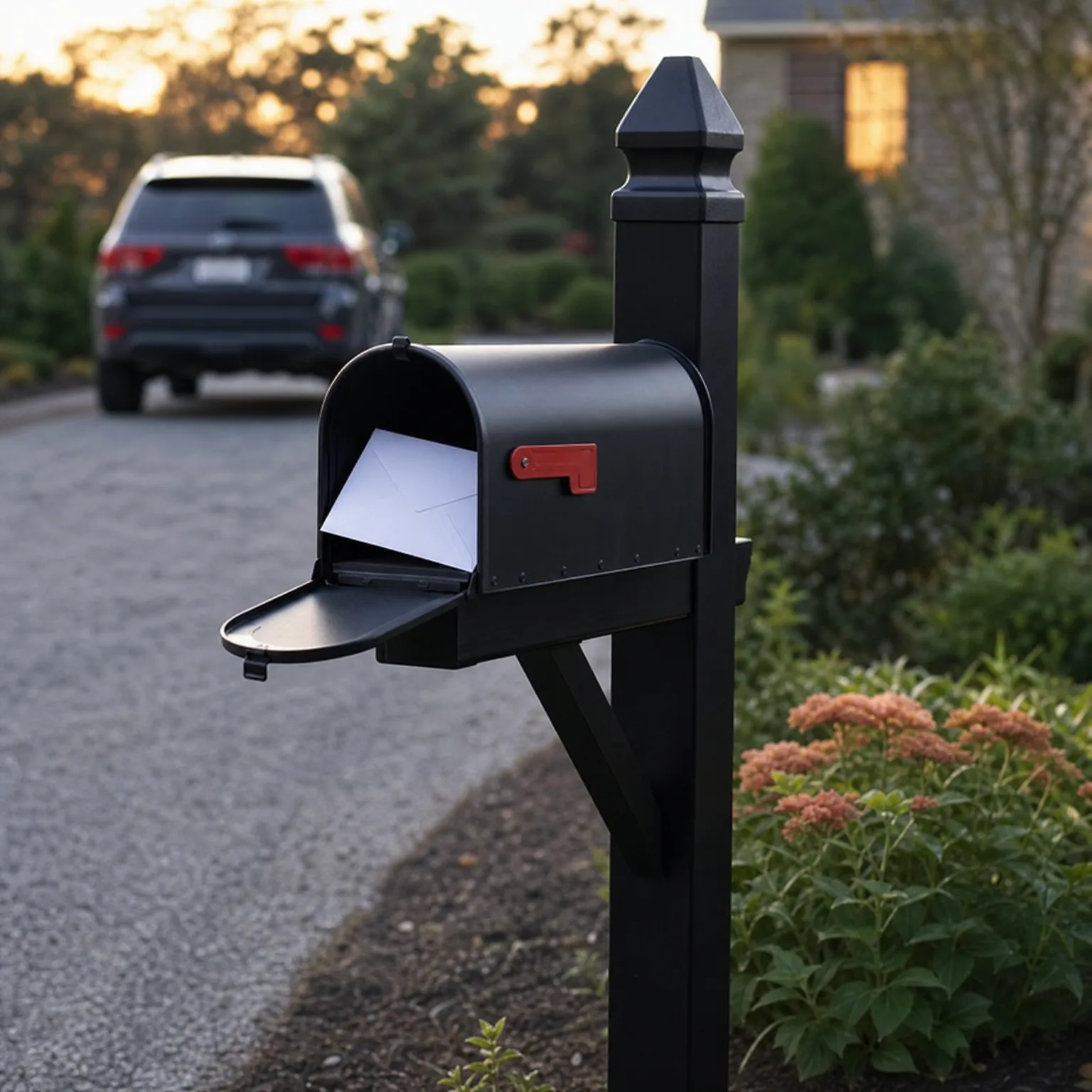
Non-owner SR-22 does not cover damage to the car you're driving. If you borrow a friend's car and total it, your non-owner policy pays for the other driver's injuries and property damage but leaves your friend's car unrepaired. Their collision coverage would pay for their vehicle, but that puts a claim on their policy and raises their rates.
Non-owner policies exclude rental car physical damage unless you buy the rental counter's collision damage waiver. Your liability coverage applies if you cause an accident in a rental, but damage to the rental vehicle itself isn't covered. Most rental companies charge $15–$35 per day for the waiver.
If you're injured in an accident you cause, non-owner SR-22 doesn't cover your medical bills. Standard liability policies don't include first-party medical payments or personal injury protection. You'd need to add medical payments coverage or rely on health insurance.
How to Switch Between Owner and Non-Owner SR-22
If you currently have owner SR-22 and sell your car, contact your insurer immediately to switch to a non-owner policy. Do not cancel your owner policy before the non-owner policy activates. Any lapse in SR-22 coverage resets your filing period to day zero in most states.
Your insurer will cancel the owner policy, issue a non-owner policy with the same effective date, and file the updated SR-22 certificate with your state DMV. The switch typically processes within 24–48 hours. Confirm with your insurer that the new SR-22 filing shows active before you cancel the old policy.
If you buy a car while holding non-owner SR-22, call your insurer to convert the non-owner policy to an owner policy on the new vehicle. Most carriers writing non-owner SR-22 also write standard high-risk auto policies, so the switch happens with the same insurer. The SR-22 filing transfers to the new policy automatically.
Frequently Asked Questions
Can I get non-owner SR-22 if I live with someone who owns a car?
Most states allow non-owner SR-22 even if you live with a car owner, as long as you're not listed on the vehicle's title or registration. Some states require you to be excluded as a driver on the household vehicle or to carry owner SR-22 on that car instead. Check your state's DMV reinstatement requirements or ask your insurer before switching to non-owner coverage.
Does non-owner SR-22 cost more than regular non-owner insurance?
The SR-22 filing itself adds $15–$50 per year to a non-owner policy. The larger cost increase comes from the violation or suspension that triggered the SR-22 requirement, which raises your base premium 70–130% regardless of the filing. Non-owner SR-22 still costs significantly less than owner SR-22 because you're only buying liability coverage.
Will non-owner SR-22 cover me if I rent a car?
Non-owner SR-22 covers your liability if you cause an accident in a rental car, but it does not cover damage to the rental vehicle itself. You would need to purchase the rental company's collision damage waiver at the counter to cover physical damage to the car you're renting.
How long do I need to keep non-owner SR-22 after my license is reinstated?
Your SR-22 filing period continues for the full duration your state or court ordered, even after your license is reinstated. Most states require 3 years of continuous SR-22 filing from the date of your conviction or suspension. Canceling early resets the clock to zero in most states.
Can I switch from non-owner SR-22 to owner SR-22 if I buy a car?
Yes. Contact your insurer immediately when you buy a car to convert your non-owner SR-22 policy to an owner policy on the new vehicle. The SR-22 filing transfers to the new policy with no gap in coverage. Do not cancel the non-owner policy before the owner policy activates.
Related Articles

Non-Owner SR-22: Get Coverage Without a Vehicle
5/17/2026

Non-Owner SR-22 Insurance: Coverage Without a Car
5/17/2026
Do I Need SR-22 Without a Car? Non-Owner Filing Guide
5/17/2026
SR-22 with State ID Only: Who Qualifies Without License
5/17/2026
Do I Need SR-22 If I Only Drive a Company Vehicle?
5/17/2026
Non-Owner SR-22 With Household Vehicle Access Explained
5/17/2026