
SR-22 Coverage for Gig Drivers: Rideshare and Delivery Work
Find SR-22 Coverage NowThe Coverage Gap Gig Drivers With SR-22 Requirements Face
Your personal auto policy with SR-22 filing covers you when driving for personal reasons, but the moment you log into a rideshare or delivery app, that coverage typically excludes commercial activity. Platform policies from Uber, Lyft, DoorDash, and others provide coverage during active trips or deliveries — but many platforms screen out drivers with recent DUIs, suspended licenses, or SR-22 requirements during their background check process. This creates a coverage gap: you need SR-22 to reinstate your license, but the gig work you rely on for income may not be covered under your SR-22 policy, and the platform may not approve you at all.
Approximately 60% of gig drivers with DUI convictions are declined by major rideshare platforms during the initial screening, according to data compiled by rideshare driver advocacy groups. For delivery platforms, acceptance rates are higher but coverage gaps remain. DoorDash and Uber Eats generally allow drivers with SR-22 requirements as long as the underlying violation is older than 3-7 years depending on severity, but their insurance coverage during delivery periods may exclude drivers who don't meet their underwriting standards — meaning you're approved to drive but not covered if you crash.
The standard gig insurance model has three periods: Period 1 (app on, no ride/delivery accepted), Period 2 (ride/delivery accepted, en route), and Period 3 (passenger/delivery in progress). Your personal SR-22 policy doesn't cover any of these periods. Platform policies cover Periods 2 and 3, but Period 1 coverage is often contingent liability only — it fills gaps in your personal policy but doesn't replace it. If your personal policy excludes commercial use, Period 1 may leave you completely uninsured while waiting for a ride request.
Which Gig Platforms Accept Drivers With SR-22 Requirements
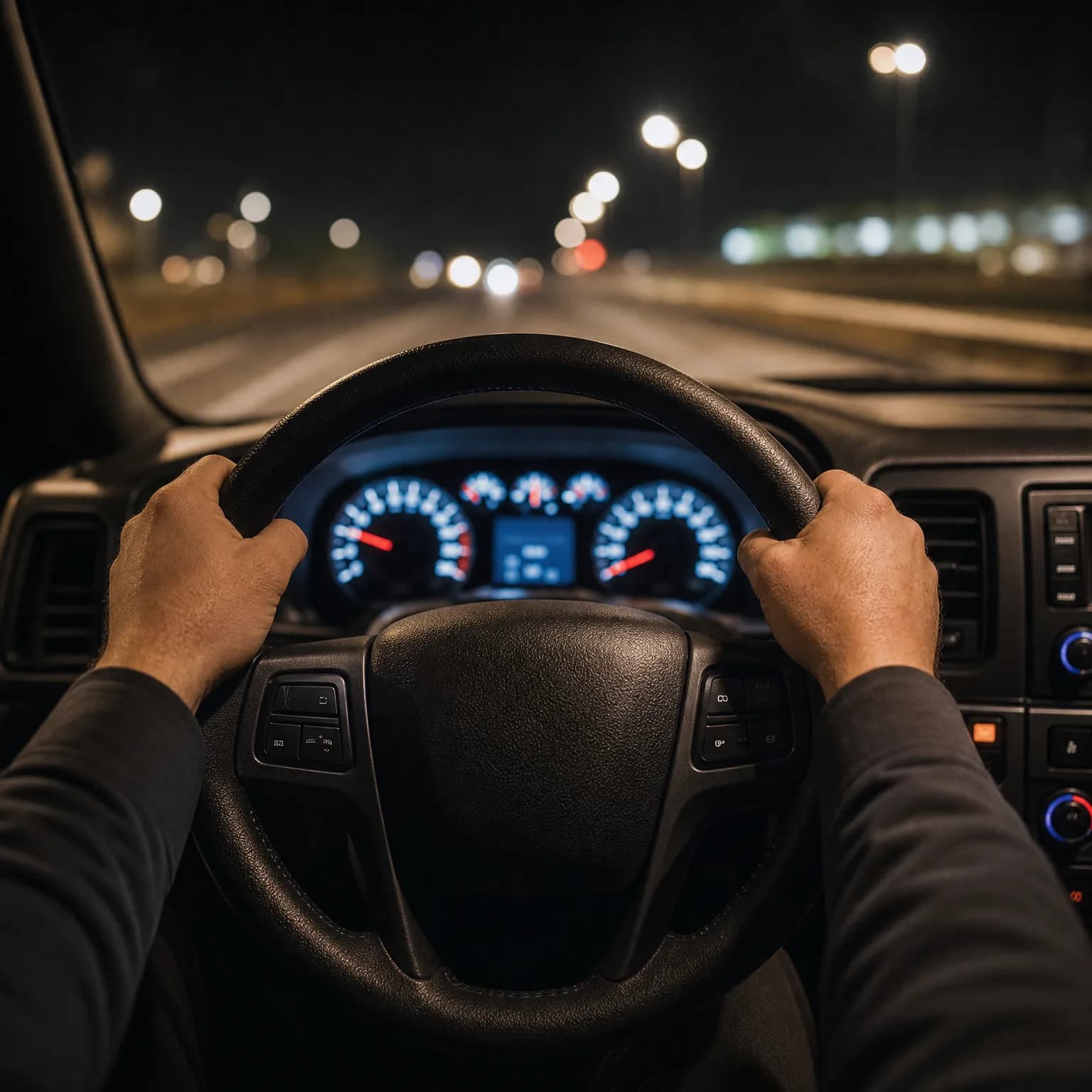
Rideshare platforms enforce stricter driver requirements than delivery platforms because passengers are in the vehicle. Uber and Lyft both conduct annual background and driving record checks. Uber typically declines drivers with DUI convictions less than 7 years old, major violations less than 3 years old, or any suspension in the past 3 years. Lyft's policy is similar but varies by state — some states allow DUI convictions older than 5 years. Neither platform explicitly bars SR-22 filings, but the underlying violation that triggered your SR-22 usually disqualifies you.
Delivery platforms are more forgiving. DoorDash, Uber Eats, Grubhub, and Instacart generally accept drivers with SR-22 requirements as long as the triggering violation is beyond their lookback period — typically 3 years for most moving violations and 7 years for DUIs. Amazon Flex has a 5-year lookback for DUIs but may approve drivers with older SR-22 filings. All platforms require active insurance and a valid license, so your SR-22 filing proves compliance, but you must still pass their motor vehicle record screening.
If you're approved by a platform, confirm your SR-22 policy allows commercial use or add a commercial endorsement. Most non-standard carriers writing SR-22 policies exclude business use by default. State Farm, GEICO, and Progressive offer rideshare or delivery endorsements, but availability for SR-22 drivers is limited — you may need to work with a non-standard carrier like The General, Direct Auto, or Acceptance Insurance and request a commercial-use rider. Expect an additional $30–$80 per month for this endorsement.

How to Structure Coverage When You Drive for Gig Platforms
If you're approved by a delivery platform and hold an SR-22 requirement, you need a personal auto policy that includes commercial-use coverage or a specific gig/delivery endorsement. This policy carries your SR-22 filing and extends coverage into Period 1 (app on, waiting for delivery). The platform's policy covers you during Periods 2 and 3. Without the endorsement, you're uninsured the moment you log into the app — even if you never accept a delivery — and a crash during that period will likely result in a claim denial, another license suspension, and an SR-22 lapse that restarts your filing period.
For rideshare, the same structure applies but fewer non-standard carriers offer rideshare endorsements to SR-22 drivers. If you cannot find a carrier willing to add a rideshare rider to your SR-22 policy, you have two options: work only for delivery platforms that accept your record, or delay gig driving until your SR-22 period ends and your record qualifies you for a standard carrier with rideshare coverage. Driving without proper coverage during gig work is not a gray area — it's a policy violation that voids your coverage and puts your license reinstatement at risk.
Some drivers attempt to carry two separate policies: a personal SR-22 policy and a commercial gig policy. This rarely works because the SR-22 filing must be attached to the policy covering the vehicle during the majority of its use. If your gig work represents more than 50% of your mileage, the SR-22 filing should be on the commercial policy, but most commercial insurers won't write SR-22 filings. Attempting to split coverage or misrepresent vehicle use is insurance fraud and will result in policy cancellation, SR-22 lapse, and immediate license re-suspension.

See What Your SR-22 Should Really Cost
Find SR-22 Coverage NowWhat SR-22 Gig Coverage Costs and Where to Find It
A personal SR-22 policy for a driver with a DUI or major violation typically costs $150–$300 per month depending on state, age, and violation severity. Adding a delivery or rideshare endorsement increases this by $30–$80 per month. Total monthly cost for SR-22 coverage that allows gig work ranges from $180 to $380 per month, compared to $80–$150 per month for a gig driver with a clean record. This price reflects both the SR-22 filing requirement and the increased risk profile of commercial use.
Non-standard carriers most likely to offer gig endorsements to SR-22 drivers include The General, Direct Auto, Acceptance Insurance, and National General. Regional carriers vary by state — in California, Freeway Insurance and Kemper write this coverage; in Texas, Fiesta Auto and Dairyland are options. Not all agents within these companies are familiar with combining SR-22 filings and gig endorsements, so ask specifically: "Can I add a delivery endorsement to an SR-22 policy, and does it cover me during Period 1?"
Some drivers working for delivery platforms operate under a non-owner SR-22 policy if they don't own a vehicle and rent or borrow one for gig work. This approach only works if the vehicle owner's policy allows permissive commercial use, which is uncommon. Most vehicle owners' policies exclude coverage when the vehicle is used for hire, leaving you fully liable during gig work. If you're using a vehicle you don't own, verify in writing that the owner's policy covers delivery or rideshare use before you accept your first order. non-owner SR-22 policy

What Happens If You're Caught Driving Gig Work Without Proper SR-22 Coverage
If you're in a crash while logged into a gig app and your personal SR-22 policy excludes commercial use, your insurer will deny the claim. You'll be personally liable for all damages, medical bills, and legal fees. The platform's insurance won't cover you during Period 1, and if the crash occurred during Periods 2 or 3 but your underlying personal policy doesn't meet the platform's requirements, the platform may also deny coverage. You'll face a lawsuit, asset seizure, wage garnishment, and a judgment that follows you for years.
Your SR-22 filing will lapse if your insurer cancels your policy due to misrepresentation or excluded use. The insurer is required to notify your state DMV within 10 days of cancellation, and your license will be re-suspended immediately. You'll need to start a new SR-22 filing, pay reinstatement fees again, and in most states, your required SR-22 filing period restarts from zero. A DUI that originally required 3 years of SR-22 now requires 3 years from the date of your new filing — potentially adding 1–2 years to your total requirement.
Platforms conduct periodic background and insurance verification checks. If your policy is cancelled or lapses, you'll be deactivated from the platform within days. Reactivation requires proof of continuous coverage, and some platforms permanently ban drivers who were deactivated for insurance lapses. The financial risk of driving gig work without proper SR-22 coverage far exceeds the cost of the endorsement — a single uncovered crash can result in $50,000+ in personal liability, extended SR-22 requirements, and loss of your primary income source.

How Your SR-22 Gig Work Timeline Affects Coverage Options
If your SR-22 requirement is recent — within the first 12 months following a DUI or suspension — most rideshare platforms won't approve you regardless of your insurance setup. Use this period to work for delivery platforms only, since they have shorter lookback periods and don't carry passengers. Focus on platforms like DoorDash, Uber Eats, and Instacart that accept drivers with violations older than 3 years, and secure a delivery endorsement on your SR-22 policy.
Once you're 2–3 years into your SR-22 period and your underlying violation is outside the rideshare platforms' lookback windows, you may qualify for Uber or Lyft in some states. At this point, you'll need to upgrade from a delivery endorsement to a rideshare endorsement, which is more expensive and harder to find for SR-22 drivers. If your current non-standard carrier doesn't offer rideshare endorsements, you may need to switch carriers mid-SR-22 period — ensure the new policy includes continuous coverage language so your SR-22 filing doesn't lapse during the transition.
Drivers nearing the end of their SR-22 requirement — within 6 months of their filing period expiring — should delay applying to rideshare platforms until the SR-22 is removed. Once your filing period ends, you can transition to a standard carrier, add a rideshare endorsement at standard pricing, and apply to platforms without the SR-22 stigma. This approach saves $50–$100 per month in premiums and improves your approval odds. Your gig income timeline doesn't always align with your SR-22 timeline, but planning around both saves money and avoids coverage gaps.
Frequently Asked Questions
Can I drive for DoorDash or Uber Eats with an SR-22 requirement?
Yes, most delivery platforms accept drivers with SR-22 filings as long as your underlying violation is outside their lookback period — typically 3 years for moving violations and 7 years for DUIs. You must add a delivery endorsement to your SR-22 policy to cover commercial use, which costs an additional $30–$80 per month.
Will Uber or Lyft hire me if I have an SR-22 on my record?
Rideshare platforms don't automatically disqualify SR-22 drivers, but they screen out the violations that trigger SR-22 requirements. Uber and Lyft typically decline drivers with DUIs less than 7 years old or suspensions within the past 3 years. If your violation is older and you can add a rideshare endorsement to your SR-22 policy, you may qualify in some states.
Does my personal SR-22 policy cover me while I'm driving for a delivery app?
No, personal auto policies with SR-22 filings almost always exclude commercial or business use. You need a delivery endorsement added to your SR-22 policy to cover the time you're logged into the app, even if you haven't accepted a delivery. Without this endorsement, you're uninsured during gig work and risk claim denial, policy cancellation, and SR-22 lapse.
What happens if I get into an accident while doing gig work without the right SR-22 coverage?
Your insurer will deny the claim because your personal SR-22 policy excludes commercial use. You'll be personally liable for all damages, your policy will likely be cancelled, and your SR-22 filing will lapse — triggering immediate license re-suspension. In most states, this restarts your required SR-22 filing period from zero.
Which insurance carriers offer delivery or rideshare endorsements for SR-22 drivers?
Non-standard carriers most likely to add gig endorsements to SR-22 policies include The General, Direct Auto, Acceptance Insurance, and National General. Availability varies by state, and not all agents are familiar with this coverage — ask specifically whether they can combine an SR-22 filing with a delivery or rideshare endorsement.
Related Articles

SR-22 After Hit and Run in Nebraska: Conviction Impact
4/2/2026

Moving States With SR-22: Dual Filing Requirements Explained
5/17/2026
Nashville DUI Insurance: SR-22 Costs & TN Requirements
4/2/2026

Elko NV DUI Insurance: SR-22 Costs & Filing Rules
4/2/2026
St. Petersburg SR-22: Cheapest Carriers & Filing Guide
4/2/2026
Same-Day SR-22 in Riverside, CA — Instant Filing
4/2/2026