
SR-22 and Texas ODL: Which Filing Comes First?
Find SR-22 Coverage NowTexas requires SR-22 on file before processing your ODL application
The Texas Department of Public Safety will not approve an occupational driver license application until your SR-22 certificate is logged into their system. This creates a sequencing problem most drivers discover too late: courts issue ODL eligibility orders,DriverSafety offices accept ODL applications and fees, but neither entity verifies SR-22 status before you submit. If your carrier has not transmitted your SR-22 to DPS when you file for the ODL, your application gets denied.
Transmission timing varies by carrier. GEICO and Progressive typically file electronically within 24-48 hours of policy binding. State Farm and Allstate route SR-22 policies through non-standard subsidiaries that may take 5-7 business days. Smaller regional carriers writing high-risk in Texas — including Acceptance, Freeway, and Dairyland — often process manually and can take up to 10 days.
The safe sequence: purchase SR-22 policy, wait for carrier confirmation that DPS received the filing, then submit ODL application. Reversing this order does not accelerate your driving timeline. It adds 30 days to it.

What happens if you file for an ODL before SR-22 reaches DPS
Texas Driver Safety offices accept ODL applications regardless of SR-22 status. You pay the $10 application fee and $22.50 record evaluation fee upfront. The office submits your packet to Austin for review. If DPS finds no SR-22 on file when they process your application — typically 7-10 business days after submission — they issue a denial letter.
The denial does not refund your fees. You must re-apply from the beginning: new application form, new fees, new 30-day processing window. If your SR-22 is now on file, the second application will clear. But you have added a month to your suspended period for filing out of sequence.
This happens frequently enough that some DriverSafety clerks now recommend waiting 10 business days after purchasing SR-22 before filing the ODL application, even though no official DPS guidance states this requirement.


How to confirm your SR-22 is logged at DPS before applying for an ODL
Texas DPS does not operate a public SR-22 verification portal. The fastest confirmation path: call your insurance carrier and request written confirmation that DPS accepted the SR-22 filing. Most carriers email this within 24 hours of electronic transmission. The confirmation should include your policy number, filing date, and a statement that Texas DPS acknowledged receipt.
Alternatively, request your full driving record from DPS. SR-22 filings appear on the record within 3-5 business days of transmission. You can order online through the Texas DPS Driver Records portal for $20, or in person at a DriverSafety office for $11. If the SR-22 appears on your printed record, it is in the system and your ODL application will not be denied for missing SR-22.
Some high-risk drivers call the DPS SR-22 unit directly at 512-424-2600. Wait times average 45-90 minutes. The unit can verbally confirm whether your SR-22 is on file, but they will not email written confirmation.
SR-22 duration and ODL eligibility periods do not align in Texas
Texas sets SR-22 filing duration by violation type and prior offense count. A first DUI typically requires 2 years of continuous SR-22. A second DUI or refusal extends this to 3 years. Multiple moving violations triggering a suspension under the Driver Responsibility Program may require only 1 year, though that program was abolished in 2019 and remaining cases are clearing out.
Occupational licenses run on a separate calendar. Texas courts grant ODLs for up to 1 year at a time, renewable annually if the underlying suspension remains in effect. If your suspension is 2 years and your SR-22 requirement is 3 years, you must maintain SR-22 for the full 3 years even after your suspension ends and your ODL expires. Letting SR-22 lapse before the mandated period triggers a new suspension.
Carriers do not automatically cancel SR-22 when your ODL expires. You must notify them when your full license is reinstated and your SR-22 period has ended. Until then, any lapse — even one day — resets your SR-22 clock and suspends your license again.

See What Your SR-22 Should Really Cost
Find SR-22 Coverage Now
Carriers that write SR-22 and accept ODL drivers in Texas
Not all carriers writing SR-22 in Texas will insure drivers on occupational licenses. Progressive writes SR-22 ODL policies statewide but typically quotes 60-110% above standard high-risk rates due to the active suspension. GEICO routes SR-22 business to Stillwater Insurance, which accepts ODL drivers in Texas but requires full payment upfront — no monthly installments.
State Farm assigns SR-22 ODL drivers to its non-standard subsidiary, which underwrites case-by-case. Acceptance Insurance writes ODL drivers with SR-22 in Texas and allows monthly payments, but adds a 15-20% surcharge for active suspension status. Dairyland and Freeway both write this profile, though Freeway requires a 25% down payment and restricts coverage to liability-only during the ODL period.
If you held a standard policy before suspension, expect your carrier to non-renew or transfer you to a non-standard subsidiary once SR-22 filing appears on your record. Allstate, Farmers, and Liberty Mutual all route Texas SR-22 business away from their standard book. This means a new policy number, new underwriting review, and typically a 40-90% rate increase even if your violation did not occur with that carrier.
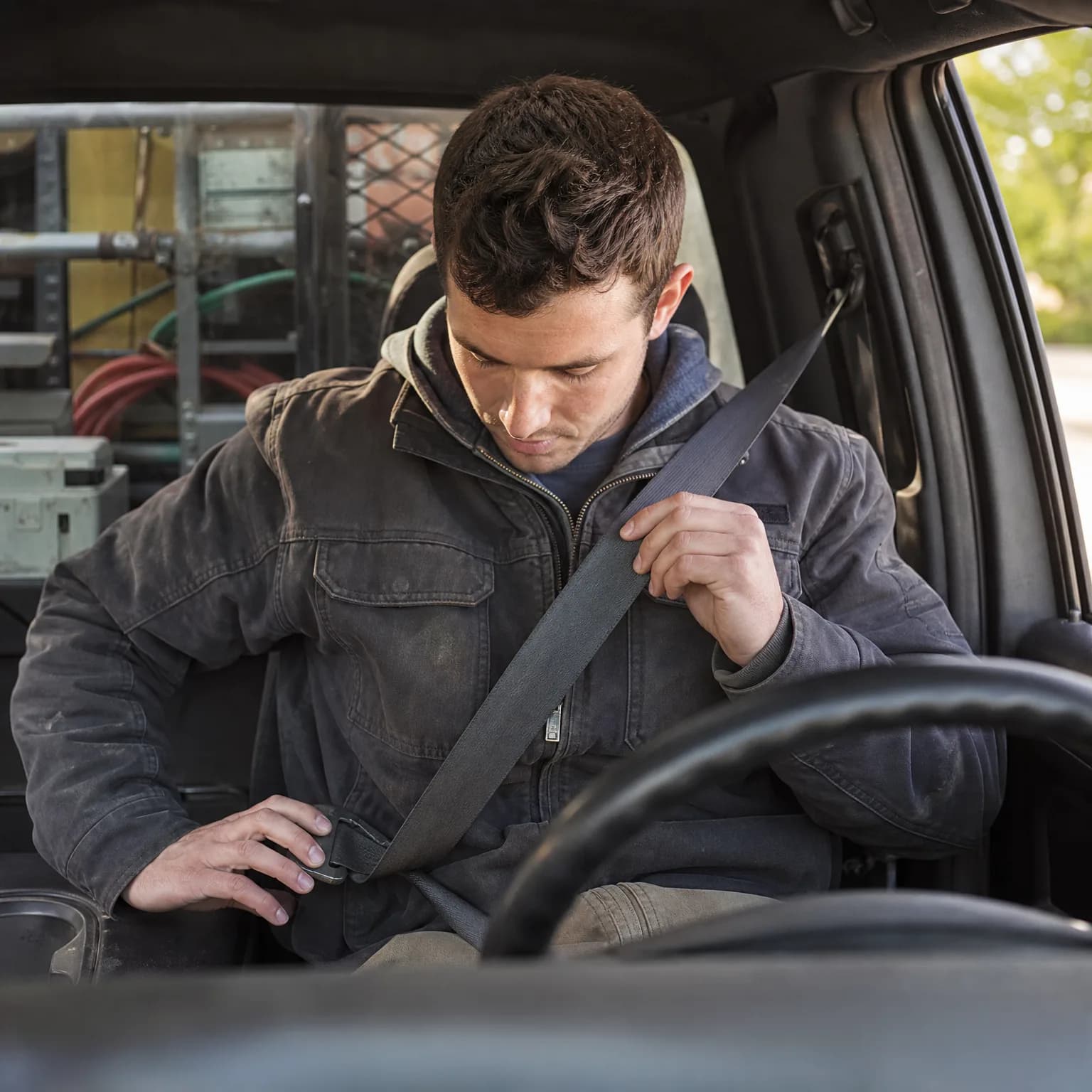
What an ODL allows you to drive and when SR-22 covers it
Texas occupational driver licenses restrict use to essential needs: work, school, essential household duties, and court-ordered programs. The license specifies approved days, times, and routes. Driving outside those parameters while on an ODL is treated as driving while license invalid, a Class B misdemeanor carrying up to 180 days in jail and a $2,000 fine.
Your SR-22 policy must cover any vehicle you drive under the ODL. If your ODL allows you to drive a company vehicle for work, that vehicle must either be listed on your SR-22 policy or covered under the company's commercial policy with you listed as a driver. Most commercial policies exclude drivers with active suspensions, which forces the ODL holder to purchase non-owned auto coverage as an endorsement on their SR-22 personal policy. This endorsement adds $40-$90/month in Texas.
If you drive a household vehicle not listed on your SR-22 policy — even within your approved ODL hours — and DPS discovers it during a traffic stop, they will suspend your ODL immediately and extend your SR-22 requirement by the length of the new suspension.
Reinstatement process after SR-22 and ODL period ends
When your suspension period ends and your SR-22 requirement is fulfilled, Texas does not automatically reinstate your license. You must apply for reinstatement through a DriverSafety office. Required documents: proof that your SR-22 period has ended (letter from carrier or DPS record showing filing start and end dates), court clearance letter if your suspension originated from a criminal case, payment of the $125 reinstatement fee, and completion of any required DWI education programs.
If you completed an ODL period but your SR-22 requirement extends beyond it, you can reinstate to a full license but must maintain SR-22 for the remaining mandated period. Missing even one day of SR-22 coverage after reinstatement triggers a new suspension and restarts the SR-22 clock. DPS sends suspension notices to your address on file, but most carriers notify DPS of lapses within 24 hours — faster than the mail reaches you.
Once reinstated, notify your carrier immediately. Your rates will not drop to standard-risk levels until 3-5 years after the violation date, but removing the SR-22 filing typically reduces premiums by 15-25% within the first renewal cycle.
Frequently Asked Questions
Can I get an occupational license in Texas without SR-22?
No. Texas requires active SR-22 on file at DPS before approving any occupational driver license application. If you submit an ODL application without SR-22 logged in the system, DPS will deny the application and you must reapply with new fees after SR-22 is filed.
How long does SR-22 filing take to show up in the Texas DPS system?
Electronic SR-22 filings from carriers like GEICO and Progressive typically appear in the Texas DPS system within 24-48 hours. Manual filings from smaller carriers can take 5-10 business days. Request written confirmation from your carrier that DPS received the filing before submitting your ODL application.
What happens if my SR-22 lapses while I have an occupational license in Texas?
DPS suspends your occupational license immediately and issues a new suspension that restarts your SR-22 filing period from zero. Most carriers notify DPS of policy cancellations within 24 hours, so the suspension happens before you receive notice by mail.
Does my SR-22 requirement end when my occupational license expires?
No. SR-22 filing periods in Texas are set by violation type and run independently of your ODL term. A DUI may require 2-3 years of SR-22 even if your ODL is only valid for 1 year. You must maintain SR-22 for the full court-ordered or DPS-mandated period regardless of license status.
Can I drive for work outside my approved ODL hours if I have SR-22?
No. Texas occupational licenses restrict driving to specified times, days, and routes. Driving outside those parameters — even with valid SR-22 insurance — is treated as driving while license invalid, a Class B misdemeanor. Your SR-22 filing does not expand your ODL permissions.
Related Articles

SR-22 + Ignition Interlock Carriers in Texas
5/17/2026
SR-22 Filing Day: What Carriers Send to Your State
5/17/2026
Moving from Texas with SR-22: What Your State Tracks
5/17/2026

Texas SR-22A vs SR-22: Which DPS Form You Need
5/17/2026

SR-22 Before or After California Restricted License
5/17/2026

SR-22 Texas: 2-Year Filing Period for First Offense
5/17/2026