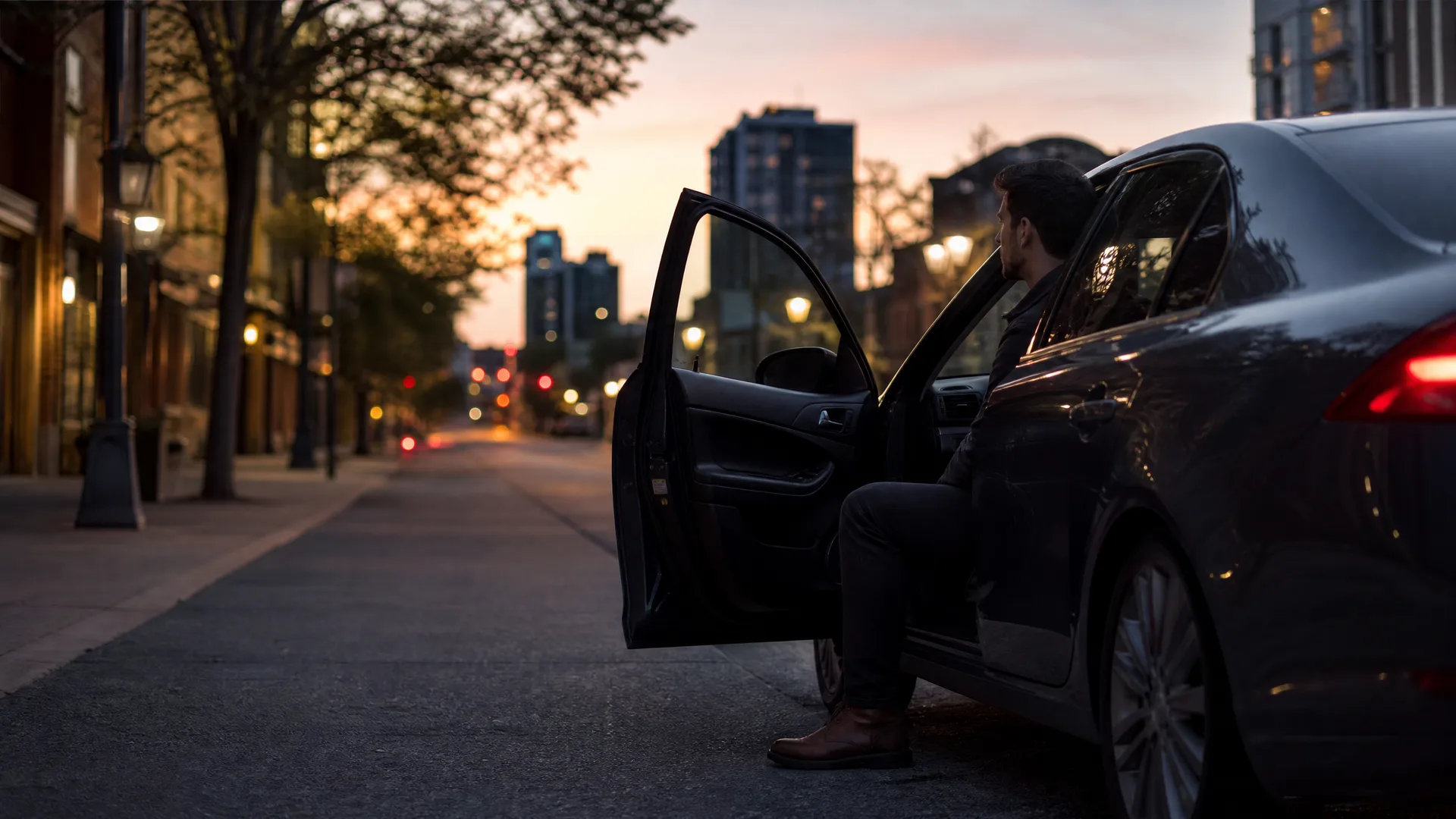
SR-22 for Homeless Drivers Re-Establishing Residency
Find SR-22 Coverage NowCan You File SR-22 Without a Permanent Address?
You can file SR-22 in most states using a mailing address that differs from your garaging address, but the carrier writing your policy must verify where your vehicle is physically stored overnight. The SR-22 certificate itself does not require proof of homeownership or a lease. It requires proof of liability coverage on a vehicle registered to you.
The filing goes to your state DMV using whatever address you provide on the policy application. If you list a friend's address, a shelter, or a PO box as your mailing address, the SR-22 form will reflect that address when transmitted to the state. Most DMVs accept this as long as the address is within the state requiring the filing.
The coverage denial happens during underwriting, not at filing. Carriers assess risk based on where the vehicle is garaged — stored overnight. If you cannot provide a verifiable garaging address, most standard and non-standard carriers will decline to write the policy. No policy means no SR-22 filing, regardless of what mailing address you provide.
Why Carriers Deny Coverage Without a Garaging Address
Auto insurance rates are calculated using the ZIP code where your vehicle is parked overnight, not where you receive mail. Theft rates, collision frequency, uninsured motorist density, and weather exposure all vary by location. A vehicle garaged in a rural area costs less to insure than one parked on a high-density urban street.
When you cannot document a garaging address, the carrier cannot price the risk accurately. Most underwriting systems flag incomplete garaging information as an automatic decline. This applies to standard carriers and most non-standard carriers writing SR-22 policies.
Some states require you to register your vehicle using a physical address within the state, not a PO box. If your registration and your insurance application show conflicting addresses or no garaging ZIP code, the carrier will reject the application before issuing a policy number. Without a policy number, no SR-22 certificate is generated.
Using a Friend or Family Member's Address for SR-22 Filing
You can use a friend or family member's address as both your mailing address and your garaging address if the vehicle is actually stored at that location overnight. The carrier may require proof that you have permission to park there, such as a signed letter from the property owner or lease holder.
If you use someone else's address but the vehicle is not garaged there, you are misrepresenting the risk. Carriers can void your policy retroactively if they discover the garaging address was fraudulent, which cancels your SR-22 filing and resets your required filing period to zero in most states.
Some carriers writing high-risk SR-22 policies accept a garaging address with minimal verification if you can demonstrate the vehicle is registered and insured under that ZIP code. This works best when the address belongs to a co-signer or named insured on the policy who actually lives at the location.
Shelter Addresses and Temporary Housing for SR-22 Purposes
Most states accept a homeless shelter address or transitional housing address as a valid mailing address for SR-22 filing, provided the shelter will receive mail on your behalf. The carrier writing your policy may also accept this as your garaging address if the vehicle is parked at or near the shelter location overnight.
You will need documentation from the shelter confirming you are a resident and that mail can be delivered there. Some carriers require a letter on shelter letterhead with a contact number for verification. This satisfies the mailing address requirement but does not resolve the garaging address question unless the vehicle is stored on-site.
If the shelter does not allow vehicle parking or you are storing the vehicle elsewhere, you must disclose the actual overnight storage location to the carrier. Parking on public streets without a fixed location creates the same underwriting problem as having no address — the carrier cannot assign a garaging ZIP code to price the policy.

See What Your SR-22 Should Really Cost
Find SR-22 Coverage Now
What Happens If You Lose Housing During Your SR-22 Filing Period
If you lose your address after your SR-22 policy is already active, notify your carrier immediately. Moving without updating your garaging address violates your policy terms and can result in cancellation. A mid-term cancellation for misrepresentation triggers a lapse notice to the DMV, which suspends your license and restarts your SR-22 filing clock.
You have 30 days in most states to update your address with both your carrier and your DMV after a move. If you cannot provide a new garaging address within that window, your carrier will cancel your policy for non-cooperation. You must find new coverage before the cancellation effective date to avoid a filing gap.
Some non-standard carriers allow short-term address changes if you are between residences, but you must provide a projected move-in date and updated garaging address within 60 days. If you miss that deadline, the policy cancels and you lose your SR-22 filing.

Non-Owner SR-22 Policies for Drivers Without a Vehicle
If you do not own a vehicle but need SR-22 to reinstate your license, a non-owner SR-22 policy provides liability coverage when you drive borrowed or rental vehicles. This eliminates the garaging address requirement because no vehicle is listed on the policy.
Non-owner policies require only a mailing address. You can use a shelter, a PO box, or a friend's address without proving garaging location. The SR-22 certificate is filed using the address on your policy application, and the DMV accepts it as long as the address is in-state.
Non-owner SR-22 costs less than standard SR-22 because it covers liability only and carries no collision or comprehensive risk. Monthly premiums typically range from $25 to $60 depending on your violation history and state minimums. This option works if you are re-establishing residency and do not yet have stable housing or a registered vehicle.
How to Find Carriers That Write SR-22 for Homeless or Transitional Drivers
Most standard carriers will not write SR-22 policies for drivers without a verified garaging address. You need a non-standard or high-risk carrier with flexible underwriting rules. Call carriers directly and ask if they accept shelter addresses, temporary housing, or non-owner SR-22 filings.
Some state-assigned risk pools or state-operated insurance programs accept incomplete address documentation if you can prove you are a state resident and meet minimum liability requirements. These programs exist in states with high uninsured driver rates and are designed to provide last-resort coverage.
Brokers specializing in high-risk SR-22 placements can place coverage with carriers that standard agents cannot access. If you have been declined by three or more carriers due to address verification issues, contact a high-risk broker and explain your housing situation upfront. They can identify which carriers in your state have the most flexible underwriting criteria for non-standard living arrangements.
Frequently Asked Questions
Can I use a PO box for SR-22 filing?
Most states allow a PO box as your mailing address for SR-22 filing, but your carrier still requires a physical garaging address where your vehicle is stored overnight. The SR-22 certificate will reflect the mailing address you provide, but the policy itself must show where the vehicle is actually parked to calculate rates.
What if I'm homeless and don't have a car?
If you need SR-22 but do not own a vehicle, a non-owner SR-22 policy satisfies the filing requirement using only a mailing address. You can use a shelter address, friend's address, or any location where you can receive mail. Non-owner SR-22 costs $25 to $60 per month and covers liability when you drive borrowed or rental vehicles.
Will my SR-22 filing lapse if I lose my address?
Your SR-22 filing lapses only if your insurance policy cancels. Losing your address does not automatically cancel your policy, but failing to update your carrier with a new garaging address within 30 days can result in cancellation for non-cooperation. A cancellation triggers a lapse notice to the DMV, which suspends your license and restarts your filing period.
Can I get SR-22 while living in a car?
Living in your car does not disqualify you from SR-22 coverage, but you must provide a garaging ZIP code where the vehicle is parked most nights. Some carriers accept a general area or city if you do not have a fixed parking location, but most require a specific address for underwriting. If no carrier will write you due to address verification, a non-owner SR-22 policy eliminates the garaging requirement.
How do I prove residency for SR-22 without a lease?
You can prove residency using a state ID, voter registration, utility bill in your name, or a signed letter from a shelter or housing program confirming you receive mail there. Carriers and DMVs accept various forms of address verification as long as the address is within the state requiring SR-22 filing.
Related Articles
SR-22 Without a Permanent Address: Filing Guide
5/17/2026
SR-22 with State ID Only: Who Qualifies Without License
5/17/2026
Non-Owner SR-22 With Household Vehicle Access Explained
5/17/2026
Filing SR-22 Yourself vs Through Insurer: The Reality
5/17/2026
Non-Owner SR-22 Insurance: Coverage Without a Car
5/17/2026
Can You Get SR-22 Without a Driver's License?
5/17/2026