
SR-22 for Leased Vehicles: Lessor Requirements and Policy Proof
Find SR-22 Coverage NowDoes SR-22 Filing Work Differently on a Leased Vehicle?
SR-22 filing works the same way whether you own or lease your vehicle — it's a certificate your carrier files with the state DMV proving you carry at least minimum liability coverage. The complication appears in how lessors verify that coverage.
Most lease agreements require you to notify the lessor immediately of any insurance change and maintain proof-of-insurance on file with their finance department. SR-22 triggers both requirements: you're switching to a non-standard carrier in most cases, and the state now monitors your coverage for lapses. Your lessor needs to see the SR-22 policy documents showing them listed as lienholder and loss payee, not just the DMV filing certificate.
The gap: many high-risk carriers file SR-22 with the state but do not automatically send lessor notification unless you request it. If the lessor's system flags a coverage lapse because they never received updated proof, they can force-place insurance on the vehicle at your expense or trigger a lease default — even though your SR-22 is active and compliant with state law.

What Lessors Require Beyond State Minimum SR-22 Coverage
State SR-22 requirements mandate liability coverage only — bodily injury and property damage minimums set by your state DMV. Lease agreements require comprehensive and collision coverage with the lessor named as loss payee, and they set minimum deductibles, typically $500 or $1,000 maximum.
You cannot satisfy a lease agreement with state-minimum SR-22 liability alone. The lessor owns the vehicle until the lease term ends. They require full coverage to protect their asset, and your lease contract enforces higher limits than the state requires — often 100/300/100 liability instead of state minimums like 25/50/25.
When you apply for SR-22 coverage, request a quote that includes comprehensive and collision with the lessor listed as lienholder and first loss payee. Provide the lessor's name, address, and loan account number to the carrier at the time of binding. Carriers writing SR-22 are accustomed to this — leased and financed vehicles represent a significant share of the high-risk market. Confirm the carrier will send proof of insurance directly to the lessor within 24 hours of policy activation.


How to List Your Lessor Correctly on the SR-22 Policy
Your lessor must appear on the policy declarations page in two places: as lienholder and as loss payee. Lienholder status protects their financial interest in the vehicle. Loss payee designation ensures that if you file a comprehensive or collision claim, the carrier pays the lessor directly for any damage exceeding your deductible.
Provide the exact lessor name and address from your lease agreement — not the dealership, not a regional office, but the finance entity listed on your monthly statement. For major lessors like Honda Financial Services, Toyota Lease Trust, or GM Financial, carriers maintain these addresses in their system. For smaller regional lessors or credit unions, you'll need to provide the full mailing address for insurance documents.
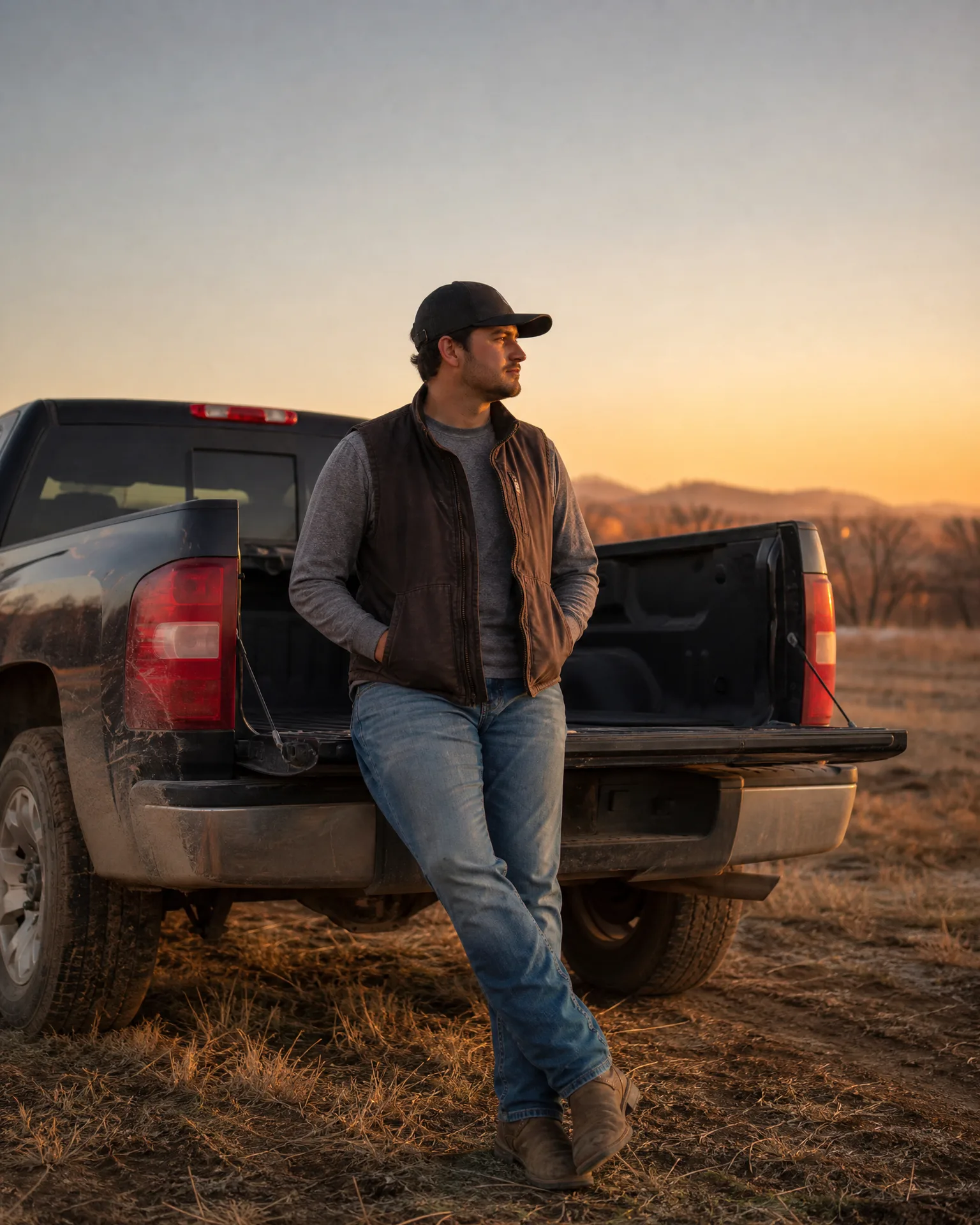
Request that the carrier send lessor notification automatically at policy inception and renewal. Most carriers offer this as a standard service for financed and leased vehicles, but you must opt in at the time of binding. If the carrier does not offer automatic lessor notification, request a copy of the policy declarations page and mail it to the lessor yourself within 48 hours of binding the policy. Keep proof of mailing — certified mail with tracking if the lease is already flagged for coverage issues.
See What Your SR-22 Should Really Cost
Find SR-22 Coverage NowWhat Happens If Your SR-22 Lapses During the Lease Term
If your SR-22 policy lapses for non-payment or cancellation, your carrier notifies the state DMV within 24 hours in most states. The DMV suspends your license immediately and sends a reinstatement notice requiring a new SR-22 filing and reinstatement fees, typically $50 to $250 depending on state and violation type.
Your lessor receives a lapse notice from their tracking system — not from the DMV, but from the lessor's third-party insurance verification service. These services monitor policy status daily and flag lapses within 48 to 72 hours. The lessor sends a demand letter requiring proof of coverage within 10 to 15 days. If you do not respond, the lessor force-places collateral protection insurance on the vehicle.
Force-placed insurance covers the lessor's interest only — it does not cover your liability, does not satisfy SR-22 requirements, and costs two to three times the premium of a standard policy. The lessor bills this premium to your lease account monthly and can declare the lease in default if the force-placed charges go unpaid for 60 days. Most lease agreements allow the lessor to repossess the vehicle once declared in default, even if you cure the insurance lapse and file new SR-22. Avoid the lapse entirely — set up automatic payment on the SR-22 policy and monitor your bank account for payment failures.
Can You Switch Carriers Mid-Lease Without Lessor Approval?
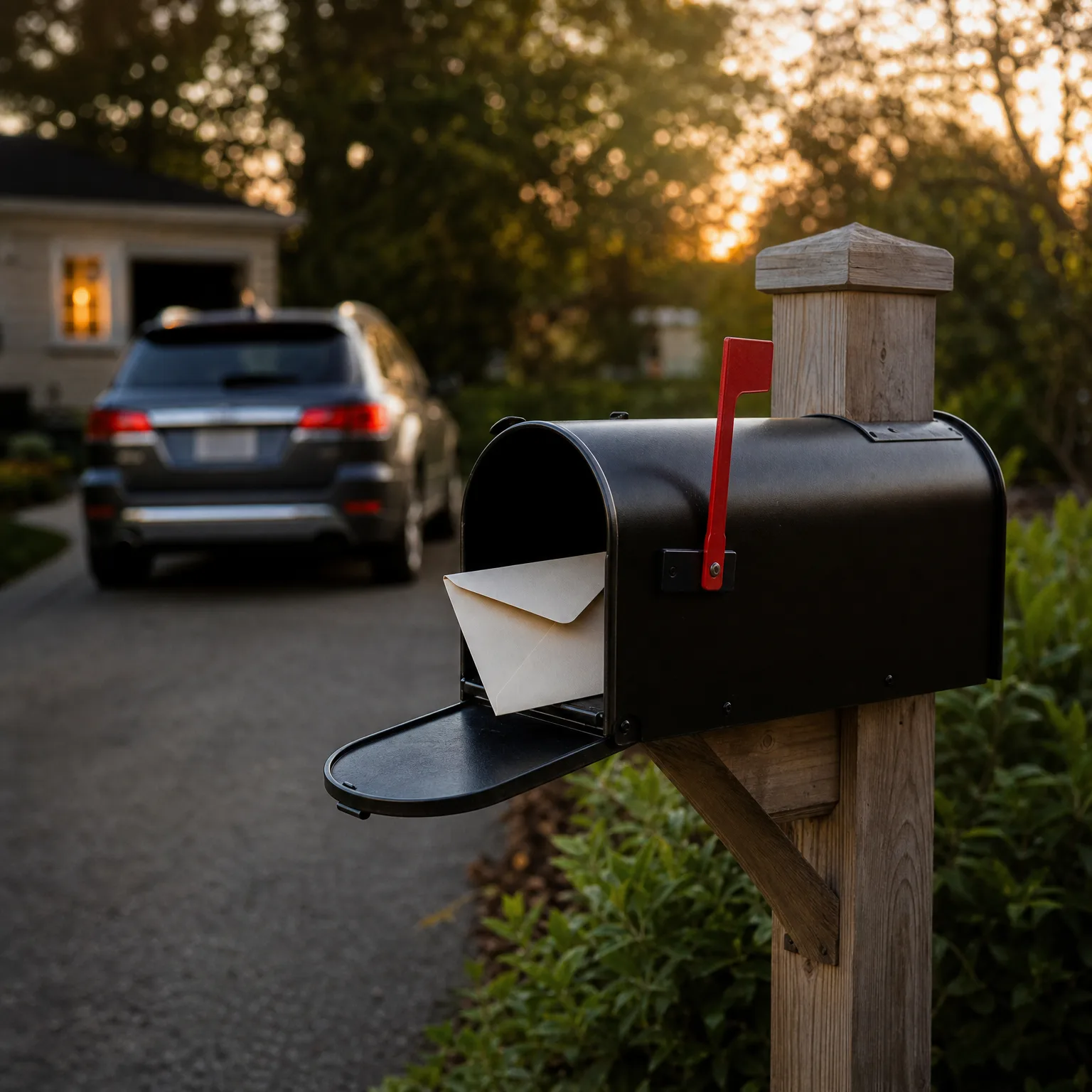
You can switch SR-22 carriers at any time without lessor approval as long as the new policy meets or exceeds the coverage terms in your lease agreement and lists the lessor correctly. Lessors care that coverage remains continuous and adequate — they do not restrict which carrier you use.
The risk is in the transition. If you cancel your current SR-22 policy before binding the new one, you create a coverage gap. Even a single day without active SR-22 filing triggers DMV suspension and lessor lapse notification. The correct sequence: bind the new SR-22 policy with an effective date matching or preceding your current policy's cancellation date, confirm the new carrier has filed SR-22 with the state, then cancel the old policy.
Request proof from the new carrier that they have sent lessor notification before canceling the old policy. Call the lessor's insurance department 72 hours after binding the new policy to confirm they received updated proof of insurance. If their system has not updated, fax or email the new policy declarations page directly. Many lessors operate on a 15-day verification cycle — if they flag a lapse before receiving the new proof, you'll spend days on the phone clearing a false lapse notice from their system.

Do All Carriers Writing SR-22 Accept Leased Vehicles?
Most carriers writing SR-22 accept leased vehicles, but some non-standard and specialty high-risk carriers restrict coverage to owned vehicles only. This restriction appears most often with state assigned-risk plans and residual market carriers — the coverage of last resort for drivers who cannot obtain voluntary market policies.
If you currently lease and need SR-22 after a DUI, suspension, or serious violation, confirm during the quote process that the carrier writes SR-22 on leased vehicles in your state. National carriers like Progressive, Nationwide, and The General write SR-22 on leased vehicles in most states. Regional non-standard carriers vary — some accept leases with higher down payments or shorter filing periods, others decline leased vehicles entirely and require you to switch to owned or exclude the leased vehicle from the policy.
Excluding the leased vehicle from your SR-22 policy does not satisfy your lease agreement. The lessor requires the specific leased vehicle to carry comprehensive and collision coverage with them listed as loss payee. If no carrier writing SR-22 in your state will cover the leased vehicle, you face three options: pay off the lease early and purchase the vehicle outright, transfer the lease to another driver with a clean record, or terminate the lease and switch to an owned vehicle a non-standard carrier will cover. None of these options are inexpensive, which is why confirming carrier acceptance of leased vehicles before binding SR-22 coverage is critical.
Frequently Asked Questions
Can I get SR-22 insurance on a leased car?
Yes, most carriers writing SR-22 cover leased vehicles, but you must list the lessor as lienholder and loss payee and carry comprehensive and collision coverage to satisfy the lease agreement. Some non-standard carriers restrict SR-22 to owned vehicles only — confirm coverage availability during the quote process before binding.
Does my lessor get notified when I file SR-22?
Your lessor does not receive SR-22 filing notice from the DMV. You must provide updated proof of insurance showing the SR-22 policy and lessor listed as loss payee directly to the lessor's insurance department, typically within 10 days of binding the policy. Request automatic lessor notification from your carrier or mail proof yourself.
What happens if my SR-22 lapses on a leased vehicle?
The DMV suspends your license immediately and your lessor's tracking system flags a coverage lapse within 48 to 72 hours. The lessor sends a demand letter requiring proof of coverage within 10 to 15 days. If you do not respond, they force-place insurance on the vehicle at two to three times normal premium cost and can declare the lease in default.
Can I lease a car after a DUI if I need SR-22?
Yes, but most lessors run a credit check and some review your driving record as part of lease approval. A recent DUI may result in a higher money factor (lease interest rate) or require a larger down payment. You'll need to secure SR-22 coverage on the leased vehicle before taking delivery, which limits you to carriers writing SR-22 on leases in your state.
Do I need SR-22 if I return the leased vehicle early?
If your SR-22 filing requirement stems from a license suspension or court order, returning the leased vehicle does not end the filing period. You must maintain continuous SR-22 coverage for the full required period — typically three years in most states — even if you no longer own or lease a vehicle. Some states allow non-owner SR-22 policies for drivers without a vehicle.
Related Articles

SR-22 for Financed Cars: Lender Notification Rules
5/17/2026
Do I Need SR-22 If I Only Drive a Company Vehicle?
5/17/2026
SR-22 After Total Loss: Keep Your Filing Active
5/17/2026
Non-Owner SR-22 Insurance: Coverage Without a Car
5/17/2026
SR-22 When You Own Vehicles in Two States: Filing Rules
5/17/2026

Owner vs Non-Owner SR-22: Cost and Coverage Gaps
5/17/2026