
SR-22 After Reckless Driving in Nevada: Filing & Carriers
Find SR-22 Coverage NowWhy Nevada Requires SR-22 After Reckless Driving
Reckless driving under NRS 484B.653 is charged when you operate a vehicle with willful or wanton disregard for the safety of persons or property. Nevada classifies this as a misdemeanor, and the DMV treats it as a major moving violation that triggers an SR-22 filing requirement if you're convicted. The SR-22 requirement kicks in immediately upon conviction — you cannot legally drive until you've filed proof of financial responsibility with the Nevada DMV.
The filing period varies based on whether your reckless driving conviction is standalone or tied to another offense. If reckless driving is your only conviction, the DMV typically requires 3 years of continuous SR-22 coverage. If it's charged as part of a DUI or appears on your record alongside multiple violations within 12 months, you may face additional filing periods that stack. The Nevada DMV does not provide a standard chart — your letter of suspension or reinstatement notice will specify your exact filing period.
Nevada also requires SR-22 if you accumulate 12 or more demerit points within 12 months. Reckless driving adds 8 points to your record, so if you have any other violations in the same period, you'll cross the threshold even without a license suspension. The SR-22 requirement applies whether or not you serve a suspension — it's triggered by the points themselves. SR-22 insurance
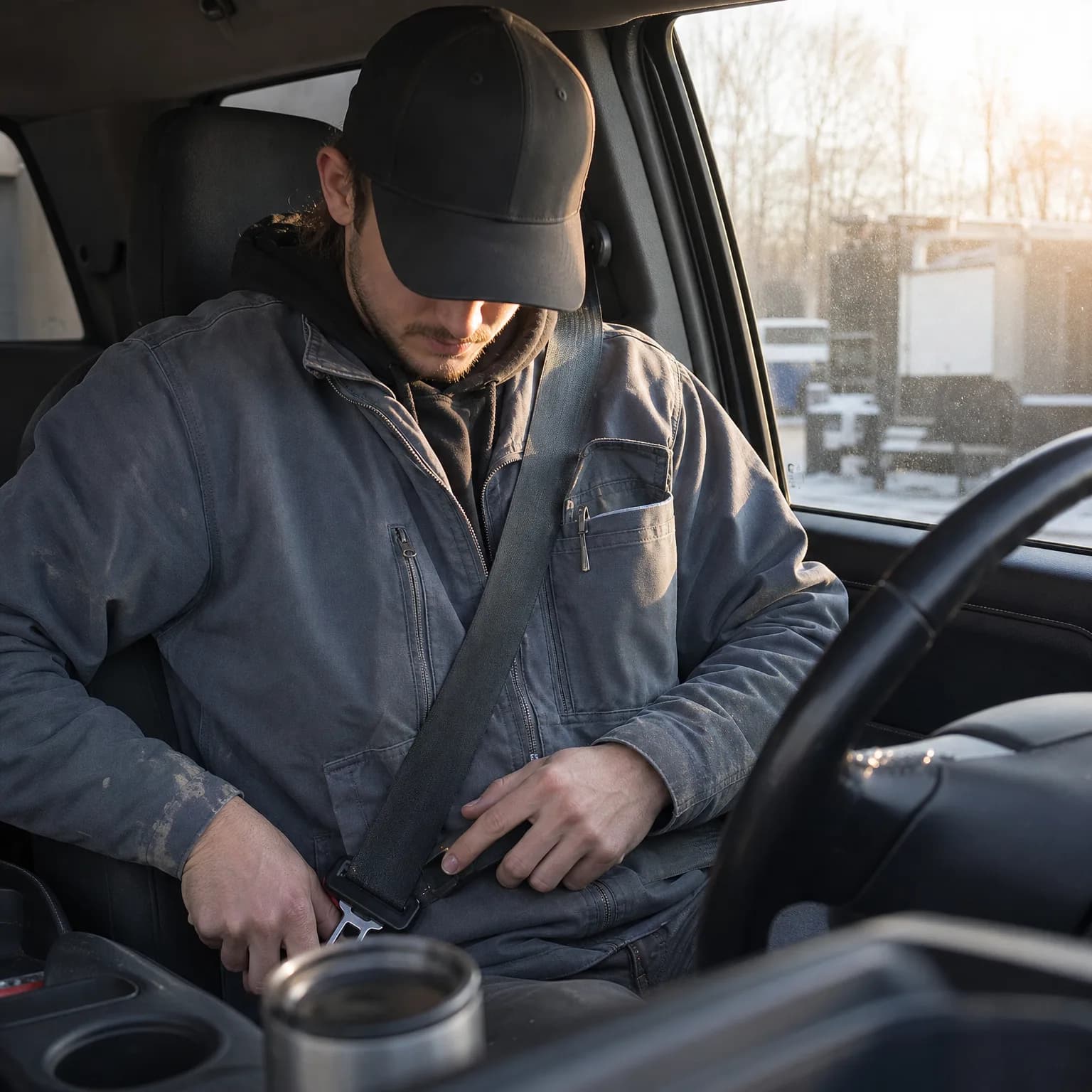
Nevada SR-22 Filing Requirements for Reckless Driving
Nevada requires Form SR-22 to be filed electronically by your insurance carrier directly with the DMV. You cannot file it yourself. The carrier submits the form on your behalf, and the DMV processes it within 1–3 business days. If you're reinstating after a suspension, you'll also need to pay a $75 reinstatement fee before your license is restored. If you're filing to satisfy a court order or point accumulation without a suspension, the reinstatement fee does not apply.
The SR-22 itself does not cost extra to file — most carriers charge $15–$35 as a processing fee, but that's not a state fee. What costs money is the policy behind it. Nevada requires minimum liability limits of 25/50/20 ($25,000 per person injured, $50,000 per accident, $20,000 property damage). If you're convicted of reckless driving, expect to pay $150–$350 per month for SR-22 coverage, depending on your age, prior violations, and whether you have other incidents in the past 3 years.
If your SR-22 lapses at any point during your required filing period — whether you cancel the policy, miss a payment, or switch carriers without filing a new SR-22 first — your carrier is legally required to notify the Nevada DMV within 15 days. The DMV will suspend your license immediately, and you'll have to restart your entire filing period from the date you refile. This means a single missed payment can add years to your requirement.


Which Carriers Write SR-22 After Reckless Driving in Nevada
Not all carriers write SR-22 policies for drivers with recent reckless driving convictions. Standard carriers like State Farm, GEICO, and Progressive will often decline to write new policies for drivers with major violations in the past 3 years, though they may continue coverage if you were already insured with them at the time of conviction. If you're shopping for a new policy after reckless driving, you'll need a non-standard or high-risk carrier that specializes in SR-22 filings.
Carriers that regularly write SR-22 policies in Nevada after reckless driving include The General, Direct Auto, Acceptance Insurance, Bristol West, and Freeway Insurance. These carriers are appointed with the Nevada DMV to file SR-22 forms electronically and typically offer same-day or next-day filing once you bind coverage. Monthly premiums range from $150 to $300 for minimum liability limits, with higher rates for drivers under 25, those with multiple violations, or anyone with a DUI or at-fault accident in the past 5 years.
Some drivers try to save money by purchasing a non-owner SR-22 policy if they don't own a vehicle. This satisfies Nevada's filing requirement and costs $40–$80 per month, but it only provides liability coverage when you're driving someone else's car — it does not cover a vehicle you own or regularly use. If you own a car, even if it's unregistered or uninsured, you must file an owner SR-22 and carry full liability coverage on that vehicle.

See What Your SR-22 Should Really Cost
Find SR-22 Coverage NowHow Long You'll Maintain SR-22 Coverage in Nevada
Nevada does not publish a universal SR-22 duration for reckless driving convictions. Your required filing period is set by the DMV based on the type of offense, prior violations, and whether you served a suspension. The most common filing period is 3 years from the date of reinstatement, but some drivers are only required to maintain SR-22 for 1 year if the reckless driving conviction is isolated and no suspension was imposed.
If your reckless driving conviction is tied to a DUI or other major offense, or if you accumulated multiple violations within a 12-month period, the DMV may extend your SR-22 requirement to 5 years. The only way to know your exact filing period is to check your DMV reinstatement letter or contact the Nevada DMV Driver's License Division directly at (775) 684-4368. Do not rely on generic timelines — your filing period is specific to your case.
Once your filing period ends, you must maintain continuous coverage through the final day. If you lapse even one day before the end date, the clock resets. After the period ends, your carrier will notify the DMV that your SR-22 is no longer required, but your policy does not automatically cancel — you'll continue paying the same rate unless you shop for a new policy with a standard carrier.

What Reckless Driving Does to Your Insurance Rates in Nevada
A reckless driving conviction in Nevada typically triggers a 70–110% rate increase compared to a clean record. If you were paying $120 per month before the conviction, expect to pay $200–$250 per month after, assuming no other violations. If your reckless driving is charged alongside a DUI or at-fault accident, expect combined increases of 150–200% or more. Rates remain elevated for 3–5 years, depending on how long the conviction remains on your motor vehicle record.
Nevada keeps reckless driving convictions on your MVR for 7 years, but most carriers only rate you for the first 3–5 years. After year three, you may be eligible to move from a non-standard carrier back to a standard carrier, which typically reduces your premium by 30–50%. Some drivers remain with their SR-22 carrier after the filing period ends because switching requires a new underwriting review, and any lapses or additional violations during the SR-22 period can disqualify you from standard coverage.
If you complete a defensive driving course approved by the Nevada DMV, you can reduce your demerit points by up to 3 points. This won't remove the reckless driving conviction from your record, but it can help you avoid a suspension if you're close to the 12-point threshold. Some carriers also offer a small discount (5–10%) for completing an approved course, though it won't offset the full impact of the reckless conviction.

Filing SR-22 After Reckless Driving: What Happens Next
Once you've purchased a policy and your carrier files the SR-22 with the Nevada DMV, you'll receive confirmation within 1–3 business days. If you're reinstating after a suspension, you must also pay the $75 reinstatement fee online, by mail, or in person at a DMV office. Your license will be reinstated once both the SR-22 and the fee are processed. If you're filing to satisfy a court order or point accumulation without a suspension, your license remains valid as long as the SR-22 is on file.
You are required to carry proof of insurance at all times while driving in Nevada. The SR-22 filing does not replace your insurance card — you still need a physical or digital copy of your policy declaration page in the vehicle. If you're pulled over and cannot provide proof of insurance, you'll face a separate citation even if your SR-22 is on file with the DMV.
If you move out of Nevada during your SR-22 filing period, you must maintain continuous coverage and file an SR-22 (or equivalent form) in your new state if required. Not all states require SR-22 filings, but most do. Contact the DMV in your new state to confirm whether your Nevada SR-22 requirement carries over, and notify your carrier immediately so they can refile in the new state if needed. Failure to maintain coverage during a move will reset your filing period in Nevada, even if you no longer live there. compare high-risk quotes
Frequently Asked Questions
How much does SR-22 insurance cost after reckless driving in Nevada?
Expect to pay $150–$350 per month for SR-22 coverage after a reckless driving conviction in Nevada, depending on your age, prior violations, and carrier. The SR-22 filing itself costs $15–$35 as a one-time processing fee. Rates remain elevated for 3–5 years after the conviction.
Can I get SR-22 insurance if I don't own a car in Nevada?
Yes. You can purchase a non-owner SR-22 policy in Nevada for $40–$80 per month if you don't own a vehicle. This satisfies the state's SR-22 requirement and provides liability coverage when you're driving someone else's car, but it does not cover a vehicle you own or regularly use.
What happens if my SR-22 lapses in Nevada?
If your SR-22 lapses for any reason — missed payment, policy cancellation, or switching carriers without refiling — your insurer notifies the Nevada DMV within 15 days. The DMV immediately suspends your license, and you must restart your entire SR-22 filing period from the date you refile.
How long do I need SR-22 after reckless driving in Nevada?
Most drivers are required to maintain SR-22 coverage for 3 years after a reckless driving conviction in Nevada, but your exact filing period depends on the offense classification and prior violations. Check your DMV reinstatement letter or contact the Nevada DMV at (775) 684-4368 for your specific requirement.
Does reckless driving in Nevada count as a DUI for SR-22 purposes?
No, but if reckless driving is charged as part of a DUI case or plea deal, the DMV may classify it as a DUI-related offense and require a longer SR-22 filing period — typically 3–5 years instead of 1–3 years. Your reinstatement notice will clarify the classification.
Related Articles
SR-22 After Hit and Run in Nebraska: Conviction Impact
4/2/2026

Moving States With SR-22: Dual Filing Requirements Explained
5/17/2026

Nashville DUI Insurance: SR-22 Costs & TN Requirements
4/2/2026

Elko NV DUI Insurance: SR-22 Costs & Filing Rules
4/2/2026
St. Petersburg SR-22: Cheapest Carriers & Filing Guide
4/2/2026

Same-Day SR-22 in Riverside, CA — Instant Filing
4/2/2026