
SR-22 Insurance in Arizona: Scottsdale, Mesa, and Statewide
Find SR-22 Coverage NowArizona SR-22 Filing Requirements and Duration
Arizona mandates SR-22 filing for 3 years following DUI convictions, reckless driving, driving on a suspended license, or accumulating 8 points within 12 months. The Arizona Motor Vehicle Division (MVD) requires continuous proof of financial responsibility during this period — any lapse triggers immediate license suspension and restarts your 3-year clock from the date you refile.
The filing itself costs $15–$25 through most carriers, processed electronically to the MVD within 24 hours. Your insurer submits the SR-22 certificate directly; you never handle paper forms. The MVD does not accept SR-22 filings from out-of-state insurers, so if your current carrier doesn't write in Arizona or refuses to file after your violation, you need an Arizona-licensed non-standard carrier immediately.
If you don't own a vehicle but need SR-22 to reinstate your license, Arizona accepts non-owner SR-22 policies. These cover liability when you drive borrowed or rental vehicles, typically running $300–$600 annually for minimum state limits ($25,000 bodily injury per person, $50,000 per accident, $15,000 property damage). Standard owner policies with SR-22 after a DUI average $1,800–$3,200 annually in metro Phoenix, 70–140% higher than clean-record rates.

SR-22 Insurance Costs in Scottsdale and Mesa
Scottsdale drivers pay 12–18% more for SR-22 coverage than Mesa residents with identical violations, driven by higher median property values and claim costs in the 85251–85259 ZIP codes. A 35-year-old male with a DUI in Scottsdale averages $2,400/year for state minimum coverage with SR-22, compared to $2,100/year in Mesa's 85201–85215 areas.
Carrier availability differs sharply between the two cities. Progressive, The General, and Bristol West write non-standard policies in both markets, but smaller regional carriers like Acceptance Insurance and Titan Insurance concentrate appointments in Maricopa County's denser west and central corridors. If you're in north Scottsdale (85262, 85266), expect 2–3 fewer carrier options than drivers in central Mesa, where agent density is higher.
Mesa's lower average rates reflect older housing stock and lower repair costs, but they don't overcome violation surcharges. A DUI adds $900–$1,400 annually to your premium in either city for the first 3 years. After year three, once your SR-22 filing period ends and the DUI ages beyond the standard lookback period, rates drop 40–60% if you've maintained continuous coverage without additional violations.

Carrier Availability by Arizona County
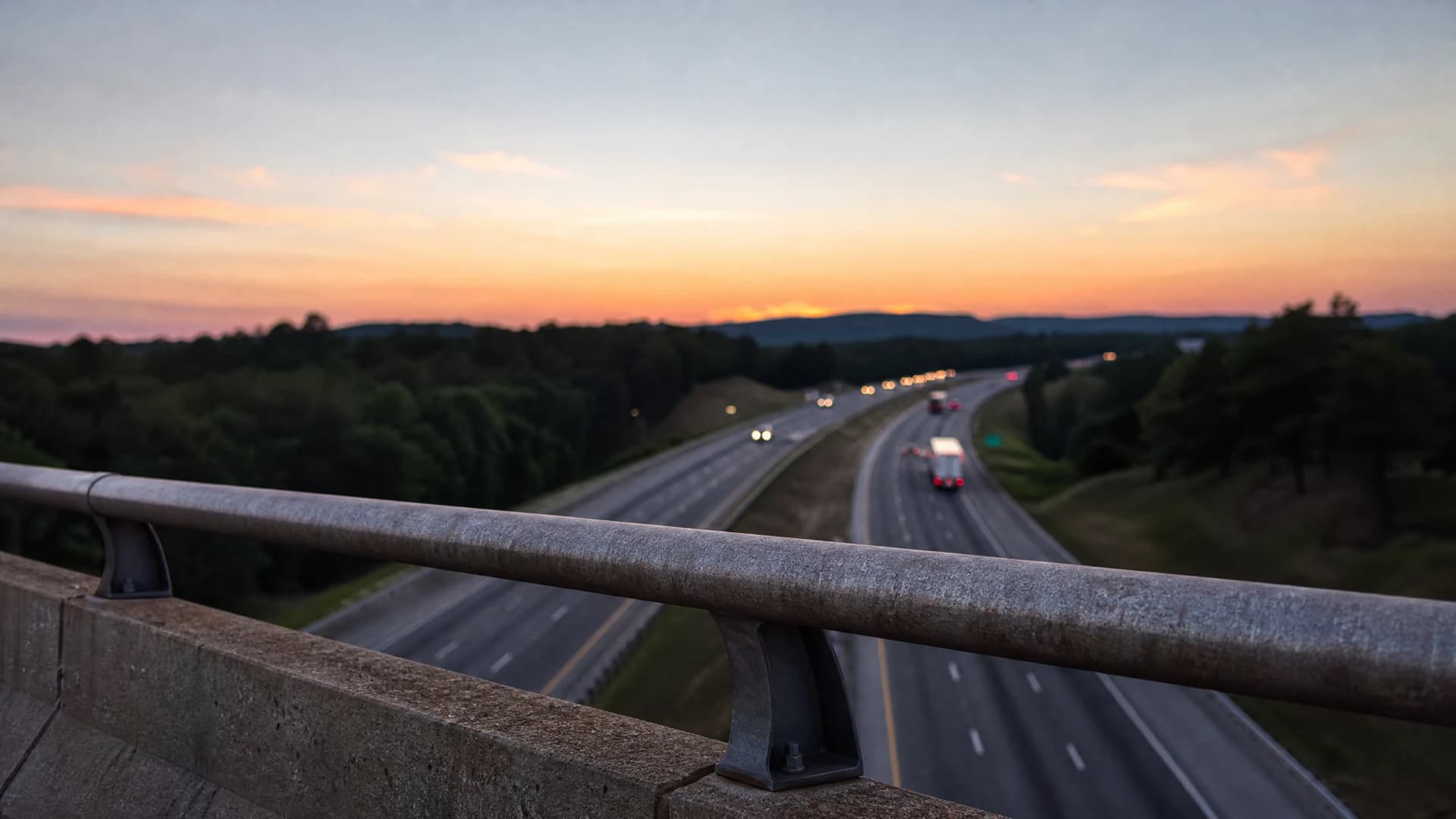
Maricopa County (Phoenix, Scottsdale, Mesa, Tempe, Glendale) and Pima County (Tucson) account for 87% of Arizona's non-standard auto insurance appointments, according to Arizona Department of Insurance filings. If you live in Yavapai, Mohave, or Cochise counties, your carrier options shrink to 3–5 insurers willing to file SR-22, compared to 12–15 in metro Phoenix.
Rural county surcharges run 8–15% higher than metro rates for identical coverage and driver profiles. This isn't risk-based pricing — it's market concentration. Fewer agents, longer distances to claims adjusters, and lower policy volume per ZIP code all drive costs up. A driver in Flagstaff or Yuma with a suspended license violation pays $200–$350 more annually than a Phoenix driver with the same record.
If you're quoted only one or two carriers in a rural area, compare rates from direct-write national carriers (Progressive, Kemper, Titan) that accept online applications statewide. These insurers don't rely on local agent networks and often quote 10–20% lower than regional carriers in low-density markets. Request quotes from at least three carriers before binding — non-standard insurance premiums for identical coverage can vary 40% between insurers.

See What Your SR-22 Should Really Cost
Find SR-22 Coverage NowHow to Get SR-22 Insurance Filed in Arizona
Call your current insurer within 24 hours of your violation or court order requiring SR-22. If they refuse to file or non-renew your policy, you have 10 days from your suspension notice to obtain new coverage and file SR-22 before the MVD suspends your license. Missing this window adds $50 reinstatement fees and restarts your SR-22 duration from the new filing date, not your original violation date.
Request quotes from non-standard carriers: Progressive, The General, Bristol West, Acceptance, and Direct Auto all write SR-22 policies in Arizona for drivers with DUIs, multiple violations, or at-fault accidents. Provide your MVD driver license number, violation date, and case number if applicable. Most insurers can bind coverage and file SR-22 electronically the same day you apply.
Once filed, verify MVD receipt within 3 business days by checking your driver record online at azmvdnow.gov or calling 602-255-0072. The SR-22 appears as "proof of financial responsibility on file" under your license status. If it doesn't show within 5 days, contact your insurer immediately — filing errors or system delays can trigger automatic suspension if not corrected before your deadline. after your SR-22 ends
Reducing SR-22 Insurance Costs Over Time
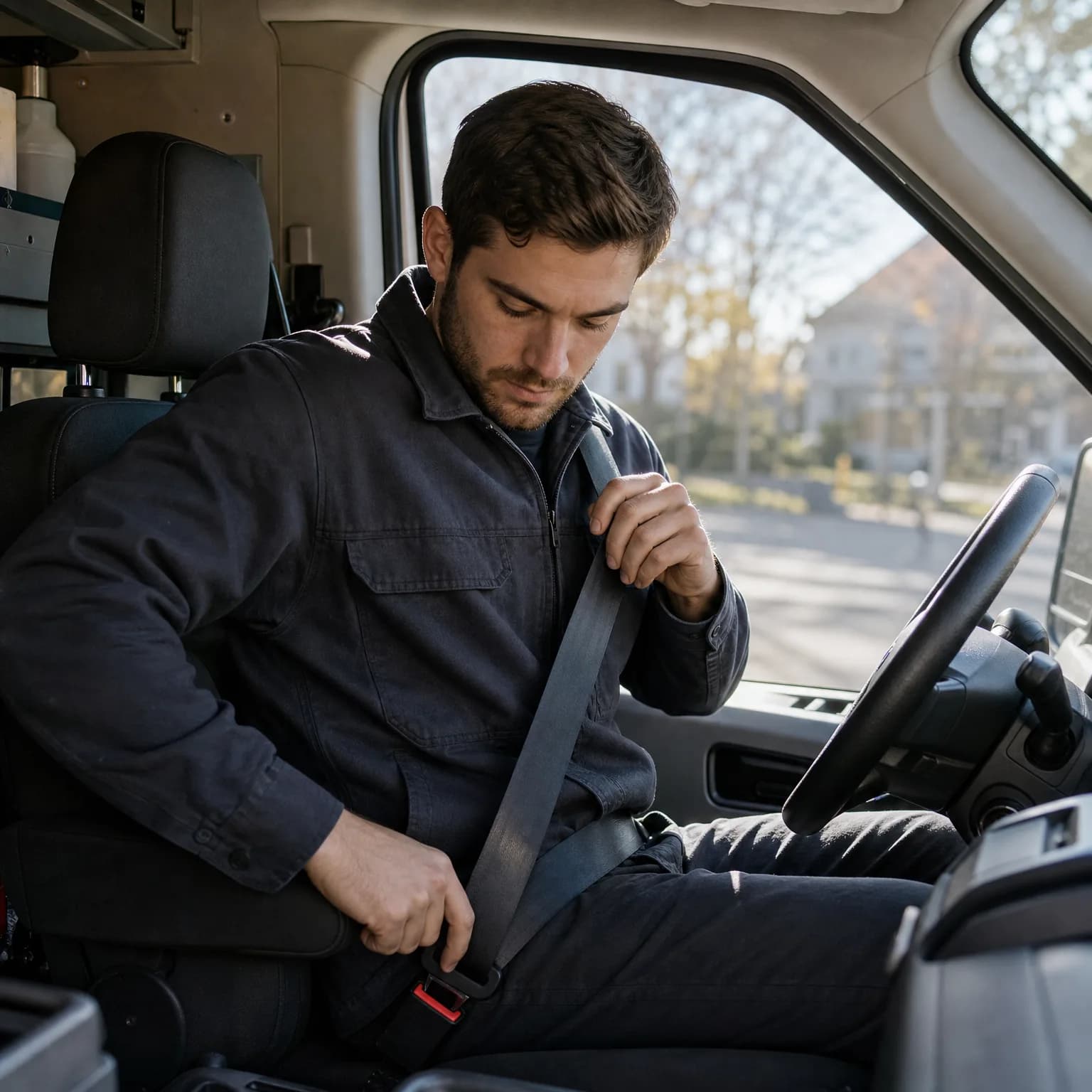
Your rates drop in measurable increments as your violation ages. Arizona insurers re-rate policies at each renewal, typically every 6 months. A DUI's surcharge decreases 15–25% per year after year one if you maintain continuous coverage and avoid new violations. By year four, once the DUI falls outside most carriers' 3-year lookback window and your SR-22 filing period ends, expect rates to drop 50–65% from your initial post-violation premium.
Switch carriers every 12–18 months during your SR-22 period. Non-standard insurers compete aggressively for drivers approaching the end of their filing requirement. If you're in year two of a 3-year SR-22 with no new incidents, you qualify for standard-risk consideration from several carriers. Quote Bristol West, Kemper, and Direct Auto specifically — all three offer "step-down" programs that transition high-risk drivers to lower-rate tiers 12–18 months before SR-22 ends.
Don't cancel your policy the day your SR-22 period expires. Arizona requires your insurer to notify the MVD when SR-22 filing ends, but you still need continuous liability coverage to avoid future SR-22 requirements. A lapse of more than 30 days after your SR-22 ends can trigger a new 3-year filing requirement under Arizona's continuous insurance law, even without a new violation.

Finding SR-22 Coverage After License Suspension
If your license is already suspended, you must purchase SR-22 insurance and pay MVD reinstatement fees before you can legally drive. Arizona does not allow "pending reinstatement" driving — any operation of a vehicle on a suspended license adds 6 months to your SR-22 requirement and $500–$1,000 in additional fines.
Reinstatement fees vary by violation: $50 for point suspensions, $500 for DUI, $250 for driving on a suspended license. You pay these directly to the MVD after your SR-22 is filed and active. The MVD will not process reinstatement until your insurer confirms continuous coverage for at least 3 days, so plan on a 5–7 day gap between purchasing insurance and receiving driving privileges.
If you don't own a vehicle, file a non-owner SR-22 policy before paying reinstatement fees. Arizona accepts non-owner filings for license reinstatement, and they cost 60–70% less than standard owner policies. Once your license is reinstated and you purchase a vehicle, you can switch to an owner policy without interrupting your SR-22 filing — the 3-year clock continues from your original filing date as long as coverage never lapses.
Frequently Asked Questions
How much does SR-22 insurance cost in Arizona after a DUI?
Arizona drivers with a DUI pay $1,800–$3,200 annually for state minimum SR-22 coverage, 70–140% higher than clean-record rates. Costs drop 15–25% per year after the first year if you maintain continuous coverage without new violations.
How long do I need SR-22 in Arizona?
Arizona requires SR-22 filing for 3 years following DUI, reckless driving, driving on a suspended license, or 8 points in 12 months. Any coverage lapse during this period restarts the 3-year clock from the date you refile.
Can I get SR-22 insurance in Arizona without owning a car?
Yes, Arizona accepts non-owner SR-22 policies for license reinstatement if you don't own a vehicle. These policies cost $300–$600 annually and provide liability coverage when you drive borrowed or rental vehicles.
Which insurance companies offer SR-22 in Arizona?
Progressive, The General, Bristol West, Acceptance Insurance, Direct Auto, Kemper, and Titan Insurance all file SR-22 in Arizona. Carrier availability is highest in Maricopa and Pima counties, with fewer options in rural areas.
What happens if my SR-22 insurance lapses in Arizona?
Arizona MVD suspends your license immediately upon receiving notice of an SR-22 lapse. Your 3-year filing requirement restarts from the date you refile, and you'll pay a $50 reinstatement fee plus any violation-specific fees to restore driving privileges.
Related Articles

SR-22 After Hit and Run in Nebraska: Conviction Impact
4/2/2026

Moving States With SR-22: Dual Filing Requirements Explained
5/17/2026

Nashville DUI Insurance: SR-22 Costs & TN Requirements
4/2/2026

Elko NV DUI Insurance: SR-22 Costs & Filing Rules
4/2/2026

St. Petersburg SR-22: Cheapest Carriers & Filing Guide
4/2/2026

Same-Day SR-22 in Riverside, CA — Instant Filing
4/2/2026