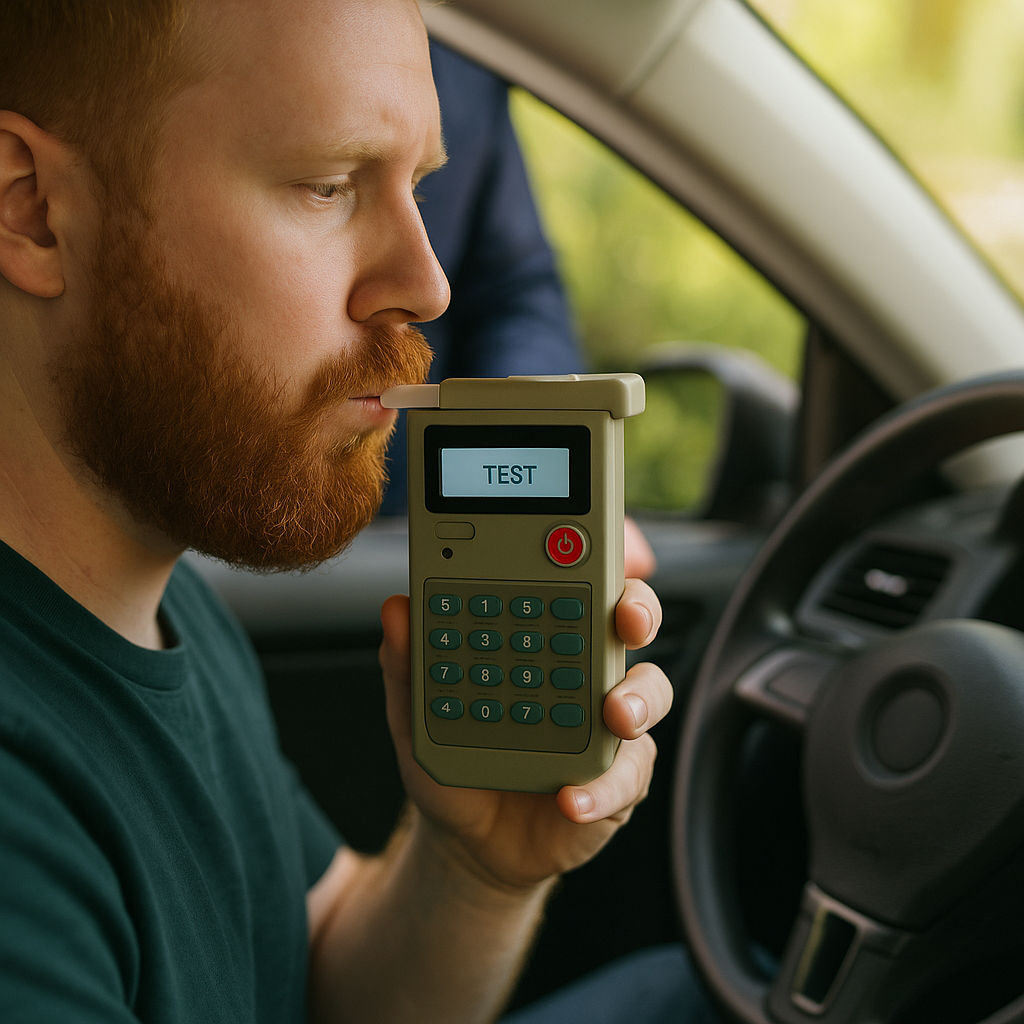
If you've been mandated to file an SR-22 in Jacksonville, you're dealing with a $25 state filing fee, 3-year minimum filing period, and carriers that often triple your premiums. Here's who actually writes policies for high-risk Florida drivers and what you'll pay.
What an SR-22 Filing Actually Costs in Jacksonville
The SR-22 certificate itself costs $25 to $50 to file in Florida, depending on your carrier. That's the one-time administrative fee your insurer charges to submit the FR-44 or SR-22 form to the Florida Department of Highway Safety and Motor Vehicles. The real cost is your insurance premium: a DUI typically increases your rate by 80–140%, while a suspended license for multiple violations can push premiums up 60–110% over what you'd pay with a clean record.
In Jacksonville, full-coverage SR-22 policies for drivers with a DUI average $220 to $380 per month, while liability-only SR-22 coverage ranges from $110 to $190 per month. If you were cited for driving without insurance or a license suspension, expect liability rates closer to $90 to $150 per month. These ranges reflect actual quotes from non-standard carriers writing policies in Duval County, not statewide averages that don't account for Jacksonville's higher-than-average accident rates and uninsured driver population.
Florida requires SR-22 filers to carry minimum liability limits of 10/20/10 — $10,000 bodily injury per person, $20,000 per accident, and $10,000 property damage. If your violation involved alcohol, the state mandates an FR-44 instead, which requires higher limits: 100/300/50. The FR-44 filing fee is identical, but your premium will be significantly higher due to the increased coverage amounts, often adding another $40 to $80 per month compared to standard SR-22 policies. Florida SR-22 requirements
Which Carriers Actually Write SR-22 Policies in Jacksonville
Most major carriers — State Farm, Allstate, GEICO standard lines — either decline SR-22 drivers outright or transfer you to a non-standard subsidiary with significantly higher rates. In Jacksonville, the carriers consistently writing SR-22 and FR-44 policies include Progressive, The General, National General, Bristol West, Acceptance Insurance, and Alliance Insurance. These are non-standard carriers built specifically for drivers with violations, suspensions, or DUIs.
Progressive often quotes the lowest rates for SR-22 drivers in Jacksonville with single violations or lapses, typically $120 to $180 per month for liability-only coverage. The General and National General compete aggressively for DUI drivers, with monthly premiums ranging from $180 to $280 for liability coverage. If you've been turned down elsewhere or have multiple violations stacked within a short period, Acceptance Insurance and Alliance Insurance are known to write policies other carriers won't touch, though premiums can reach $250 to $400 per month depending on your driving record.
Do not assume your current carrier will file your SR-22. If you're with a preferred or standard carrier, call before your court date or DMV deadline to confirm they offer non-standard or SR-22 filing services in Florida. Many will refer you to a different insurer entirely, which can delay your filing and extend your suspension if you're not prepared.
Some Jacksonville drivers use local independent agents who specialize in high-risk placements — particularly useful if you've been declined by two or more carriers. These agents have access to regional non-standard carriers like United Auto, Infinity, or Southern Fidelity that don't advertise directly but actively write SR-22 policies in North Florida.
How Long You're Required to Carry SR-22 in Florida
Florida law mandates a minimum 3-year SR-22 filing period for most violations, including DUIs, driving without insurance, suspended license convictions, and serious traffic offenses. Your filing period begins the day your insurer submits the SR-22 to the DHSMV, not the day of your violation or court date. If your insurance lapses at any point during those three years — even for a single day — the clock resets, and you start the entire 3-year period over from the date you refile.
Here's where Jacksonville drivers lose money: Florida's financial responsibility requirement often extends beyond the SR-22 filing period if you still carry points on your license or have outstanding suspensions. For example, if you were convicted of a DUI and also had your license suspended for refusal to submit to a breath test, you may be required to maintain SR-22 coverage until both the 3-year DUI SR-22 period and any additional suspension terms have been satisfied. Most drivers don't realize they can request a compliance review from the DHSMV once their filing period ends — without it, your insurer may continue charging SR-22 rates indefinitely simply because you never formally closed the requirement.
To confirm your exact filing end date, contact the Florida DHSMV Bureau of Financial Responsibility at (850) 617-2000 or check your driving record online through the official DHSMV portal. If your SR-22 requirement has expired but your insurer is still filing, you're paying elevated premiums for coverage you no longer legally need.
Filing Your SR-22 After a DUI, Suspension, or Lapse in Jacksonville
You cannot file an SR-22 yourself. Your insurance carrier files it electronically with the Florida DHSMV on your behalf, typically within 24 to 72 hours of purchasing your policy. If you're currently suspended, you must buy SR-22 insurance first, then apply for reinstatement through the DHSMV once the filing is confirmed. The reinstatement fee for a suspended license in Florida is $45 for a suspension related to a financial responsibility violation, $75 for a revocation, and up to $500 for a DUI-related suspension, depending on whether it's your first or subsequent offense.
If your SR-22 requirement stems from a DUI conviction involving a blood alcohol level of 0.15% or higher, or if there was a minor in the vehicle, Florida requires an FR-44 filing instead. The FR-44 is functionally identical to an SR-22 but mandates higher liability limits (100/300/50 instead of 10/20/10). You cannot substitute an SR-22 for an FR-44 — your court order or DHSMV notice will specify which form you need. If you're unsure, check your suspension notice or call the DHSMV reinstatement unit at (850) 617-2000.
Once your policy is active and your SR-22 is filed, you'll receive a confirmation letter from your insurer. Bring this letter, proof of payment for reinstatement fees, and a valid form of ID to any Florida driver license office to complete your reinstatement. If you're reinstating after a DUI, you'll also need to provide proof of DUI school completion and, in some cases, proof of an ignition interlock device installation if your suspension order required it.
Never let your SR-22 policy lapse. If your insurer cancels your policy or you cancel it yourself, they are required by law to notify the DHSMV within 10 days. Your license will be automatically suspended again, and you'll restart the entire 3-year filing period from zero.
How to Lower Your SR-22 Rate Over Time in Jacksonville
Your SR-22 premium won't drop immediately, but it will decrease over time as your violation ages and you build a clean driving record. Most non-standard carriers reevaluate your rate every 6 to 12 months. A driver who maintains continuous coverage and avoids new violations can expect a 15–25% rate reduction after the first year, with further decreases in years two and three as the original violation loses weight in your risk profile.
Once your 3-year SR-22 filing period ends, shop aggressively. You're no longer required to carry the filing, which opens the door to standard and preferred carriers that previously wouldn't write you. Expect your premium to drop 30–50% or more once you're eligible for standard coverage again, assuming you've kept your record clean. Don't wait for your current carrier to lower your rate — many non-standard insurers will continue charging elevated premiums even after your SR-22 requirement expires unless you proactively switch.
If you're stuck with a non-standard carrier during your filing period, consider increasing your deductible to lower your monthly premium. Raising your collision deductible from $500 to $1,000 can reduce your premium by $20 to $40 per month, which adds up to $240 to $480 per year. Similarly, dropping comprehensive coverage on older vehicles (worth less than $3,000) can save another $30 to $60 per month if you're willing to self-insure for theft or weather damage.
Some Jacksonville drivers qualify for discounts even with SR-22 filings. Progressive, National General, and The General all offer small discounts for paying your policy in full upfront (typically 5–8%), enrolling in automatic payments (2–5%), or bundling renters insurance with your auto policy (5–10%). These aren't advertised heavily for SR-22 drivers, but they apply — ask your agent directly.
What Happens If You Move Out of Jacksonville or Leave Florida During Your Filing Period
If you move out of Florida before your SR-22 filing period ends, your requirement follows you. You'll need to purchase a new SR-22 policy in your new state and have that insurer file an SR-22 with your new state's DMV. Florida will still require proof of continuous coverage for the full 3-year period, so don't assume moving to Georgia, Alabama, or another state cancels your Florida SR-22 obligation.
Some states don't use SR-22 filings at all — Delaware, Kentucky, Minnesota, New Mexico, New York, North Carolina, and Oklahoma use different financial responsibility forms or don't require certification filings for certain violations. If you move to one of these states, contact the Florida DHSMV to confirm how to satisfy your remaining filing period. In most cases, you'll need to provide proof of continuous insurance coverage through standard policy documents instead of an SR-22 form.
If you move within Florida — from Jacksonville to Orlando, Tampa, or Miami — your SR-22 filing stays active as long as you maintain continuous coverage with the same carrier or transfer your policy without a lapse. Notify your insurer of your address change immediately. If your policy lapses during the move, even for administrative reasons, the DHSMV will be notified and your license will be suspended again. compare high-risk quotes