SR-22 Insurance in Pasadena After a DUI: Cost & Filing Steps
Find SR-22 Coverage NowWhat SR-22 Insurance Costs in Pasadena After a DUI
A DUI conviction in Pasadena typically increases your annual insurance cost from roughly $1,400 for a clean-record driver to $2,800–$4,200 once you add SR-22 filing. That 100–200% spike reflects both the DUI surcharge and your move into the non-standard insurance market, where carriers price for repeat-violation risk. The SR-22 certificate itself costs $15–$25 to file with the California DMV, but that's separate from your premium.
Rates vary significantly by carrier availability. Progressive, The General, and GAINSCO write SR-22 policies in Los Angeles County, but not all accept DUI profiles—some cap at one major violation in three years. If your DUI included a refusal or injury collision, expect quotes at the higher end of that range or declinations from mid-tier carriers entirely.
Your rate drops as the DUI ages off your record. California insurers can surcharge a DUI for up to 10 years, but the steepest increases concentrate in years one through three. By year four, if you've maintained continuous coverage and avoided new violations, many drivers see premiums fall 30–40% from their post-DUI peak. The SR-22 requirement itself ends after three years, removing the filing fee and opening access to standard carriers again.
How California's SR-22 Filing Timeline Works in Pasadena
The California DMV mandates SR-22 filing for three years following a DUI conviction, but your clock starts from the date of your court order or DMV suspension notice—not the date you purchase insurance. If your suspension order is dated March 1 and you don't buy a policy until April 15, you've already burned six weeks of your three-year requirement without any coverage protecting you from a lapse violation.
You must file the SR-22 certificate with the DMV within 30 days of your court-ordered deadline to avoid additional suspension time. Miss that window and the DMV extends your suspension until you file, then restarts certain waiting periods. For a DUI with a license suspension, that means restarting your restricted license eligibility clock, which can add months to the time you're without full driving privileges.
Once filed, your insurer reports any lapse or cancellation to the DMV within 15 days. If your policy cancels for non-payment and you don't replace it immediately, the DMV suspends your license again and adds a one-year extension to your SR-22 requirement. That's why most Pasadena drivers with SR-22 obligations set up automatic payments and avoid switching carriers mid-requirement unless absolutely necessary.
Which Carriers Write SR-22 Policies for DUI Drivers in Pasadena
Progressive and The General consistently write SR-22 policies in Los Angeles County for drivers with a single DUI and no additional major violations in the past three years. GAINSCO and Acceptance also operate in the Pasadena area, though their underwriting is stricter—expect declinations if your DUI involved a refusal, injury accident, or BAC above 0.15.
State Farm and GEICO typically decline new business for DUI profiles but may retain existing customers at substantially higher rates. Allstate and Farmers operate similarly, canceling some policies at renewal and non-renewing others depending on total violation count and claims history. If you held a policy with a standard carrier before your DUI, call them first—retention underwriting is often more lenient than new business rules.
Brokers specializing in non-standard auto insurance can access regional carriers not available through direct-to-consumer channels. In California, that includes Infinity, Access, and Century National, all of which write high-risk policies in Los Angeles County. Working with a broker adds no cost to you—they're compensated by the carrier—and they can compare rates across multiple non-standard insurers in one submission, saving you the effort of applying individually to each.

See What Your SR-22 Should Really Cost
Find SR-22 Coverage NowCalifornia's Mandatory Coverage Limits for SR-22 Filers
California requires SR-22 filers to carry at least 15/30/5 liability coverage: $15,000 per person for bodily injury, $30,000 per accident, and $5,000 for property damage. Those are state minimums, but they're dangerously low if you cause a serious accident. A single emergency room visit can exceed $15,000, and total loss on a newer vehicle often surpasses $5,000, leaving you personally liable for the difference.
Most non-standard carriers recommend 50/100/25 or 100/300/50 limits for drivers with a DUI. The premium difference is smaller than you'd expect—often $20–$40/month—because the underwriting surcharge for the DUI itself dominates your rate. Increasing limits adds relatively little incremental cost but protects your assets if you're at fault in another accident while under SR-22 obligation.
Collision and comprehensive coverage are optional unless you finance or lease your vehicle, in which case your lender requires them. If you own your car outright and it's worth less than $3,000, dropping physical damage coverage can cut your premium by 25–35%. Just understand that you'll pay out-of-pocket for repairs or replacement if you're in another accident or your car is stolen.
Reinstating Your California License After a DUI Suspension
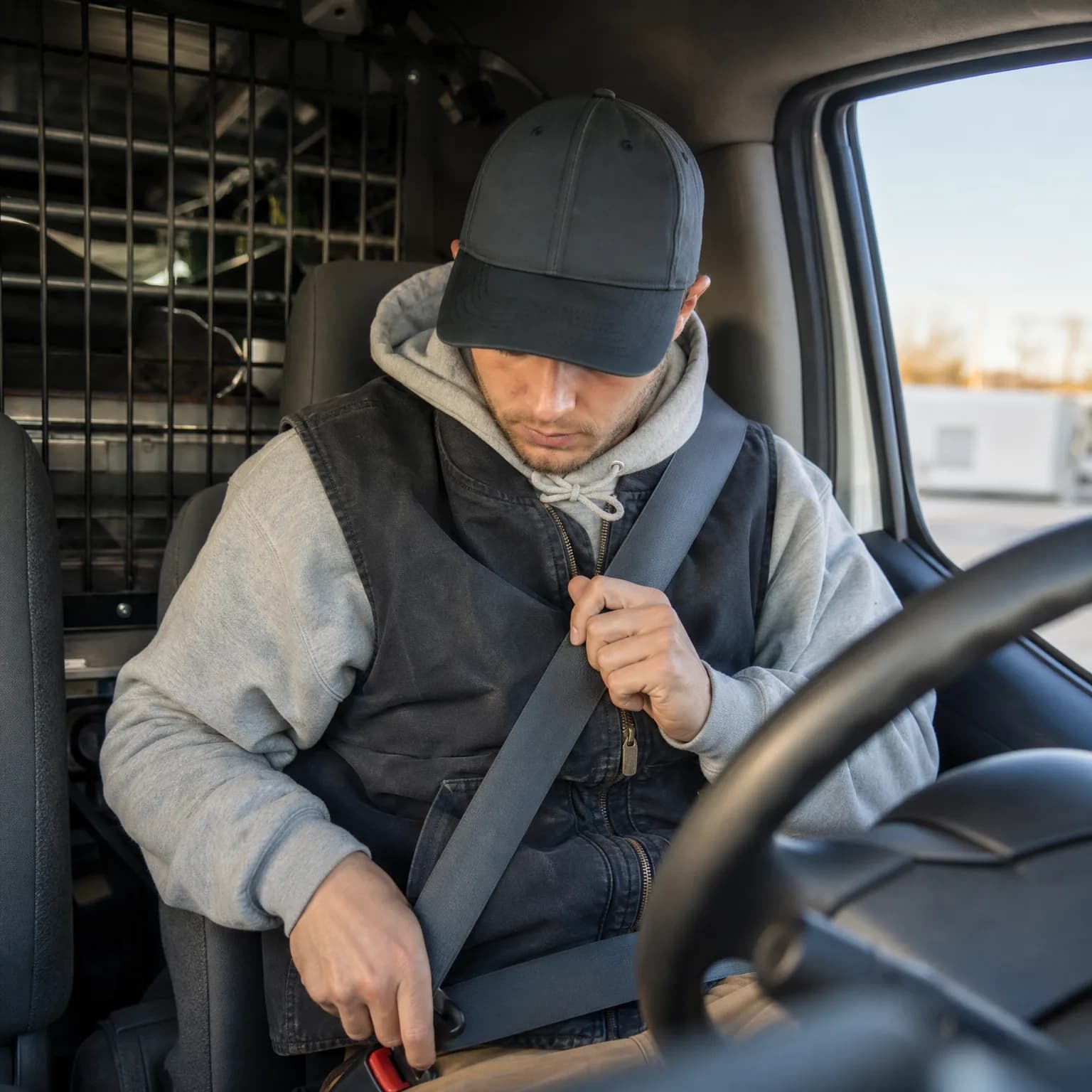
Reinstating your license after a DUI suspension in California requires three steps: completing your court-ordered suspension period, filing proof of SR-22 insurance with the DMV, and paying a $125 reissue fee. The suspension period varies—four months for a first-offense DUI with no injury or refusal, six months to one year if you refused a chemical test, and longer for repeat offenses.
You can apply for a restricted license during your suspension if you enroll in a DUI program approved by the California Department of Health Care Services. With a restricted license, you can drive to and from work, school, and your DUI classes, but not for personal errands. To qualify, you must install an ignition interlock device (IID) for the duration of your restriction period—typically five months for a first offense.
The IID itself costs $70–$150 to install and $60–$80/month to maintain, with monthly calibration appointments required. If you violate the terms of your restricted license—driving outside permitted hours, attempting to start the vehicle after drinking, or skipping calibration—the DMV extends your suspension and you start over. Most Pasadena drivers find the IID requirement burdensome but necessary to avoid losing employment during the suspension period.

How to Lower Your SR-22 Insurance Cost Over Time
Your SR-22 premium drops naturally as time passes without new violations. The DUI surcharge peaks in year one and declines gradually through year three, with the steepest reduction occurring between months 12 and 24. Maintaining continuous coverage without lapses signals lower risk to insurers, and many non-standard carriers offer renewal discounts of 10–15% if you complete a year without claims or coverage gaps.
Re-shopping your policy every 12 months is critical in the non-standard market. Carrier appetite for DUI profiles shifts frequently—one insurer may tighten underwriting mid-year while another expands. Pasadena drivers who compare quotes annually save an average of $400–$600 compared to auto-renewing with the same carrier for three years. Just ensure your new policy's SR-22 filing is active before canceling your old one, or the DMV will suspend your license for a lapse.
Completing your DUI program early doesn't shorten your SR-22 requirement, but it does improve your underwriting profile slightly. Some carriers reduce premiums by 5–10% once you provide proof of program completion, even if you're still within your three-year filing period. It's a small discount, but it stacks with time-based reductions and can accelerate your return to standard-market rates.
Frequently Asked Questions
Can I get SR-22 insurance in Pasadena if I don't own a car?
Yes. You need a non-owner SR-22 policy, which provides liability coverage when you drive vehicles you don't own. Non-owner policies cost $300–$600/year in California and satisfy the DMV's SR-22 filing requirement, but they don't cover a specific vehicle—only your legal liability when driving.
What happens if my SR-22 insurance lapses in California?
The DMV suspends your license within 15 days of the lapse and adds a one-year extension to your SR-22 requirement. You must purchase a new policy, file a new SR-22 certificate, and pay a $125 reissue fee to reinstate your license. The three-year clock does not reset, but you lose credit for the time already served if the lapse exceeds 30 days.
How long does a DUI stay on my California driving record?
A DUI remains on your California DMV record for 10 years. Insurers can surcharge you for the full decade, but most reduce premiums significantly after three to five years if you maintain a clean record. The SR-22 requirement itself ends after three years, but the conviction continues to affect your rates until it ages off completely.
Do I need an ignition interlock device to get SR-22 insurance in Pasadena?
No. The SR-22 filing and the ignition interlock device (IID) are separate requirements. The DMV mandates the IID if you want a restricted license during your suspension or if your DUI occurred after January 1, 2019, but you can file SR-22 insurance without installing an IID. However, you won't regain driving privileges until both requirements are met.
Can I switch SR-22 insurance carriers before my three years are up?
Yes, but you must ensure your new policy's SR-22 filing is active with the DMV before canceling your old one. If there's any gap—even one day—the DMV suspends your license and extends your SR-22 requirement by one year. Most drivers wait until their renewal date to switch, avoiding overlap fees and coverage gaps.
Related Articles
SR-22 After Hit and Run in Nebraska: Conviction Impact
4/2/2026
Moving States With SR-22: Dual Filing Requirements Explained
5/17/2026
Nashville DUI Insurance: SR-22 Costs & TN Requirements
4/2/2026

Elko NV DUI Insurance: SR-22 Costs & Filing Rules
4/2/2026
St. Petersburg SR-22: Cheapest Carriers & Filing Guide
4/2/2026

Same-Day SR-22 in Riverside, CA — Instant Filing
4/2/2026