
SR-22 Quote Validity: How Long the Price Holds Before Binding
Find SR-22 Coverage NowWhy SR-22 quotes expire faster than standard auto quotes
SR-22 quotes typically hold for 7 to 14 days before binding, significantly shorter than the 30-day window common for standard policies. Carriers price high-risk coverage against rapid claims volatility — a DUI driver pool sees claims frequency shift week to week, not month to month. When you receive an SR-22 quote, the underwriter assumes you'll bind within that narrow window. Miss it, and the carrier reprices from scratch.
Most aggregators and comparison tools display SR-22 quotes alongside standard quotes without flagging the expiration difference. You see a rate, assume you have 30 days to decide, and return two weeks later to find the same carrier quoting 15–25% higher. The original quote didn't change — it expired, and the replacement reflects updated loss data for your risk tier.
Carriers writing SR-22 in non-standard divisions use rolling underwriting audits. If claims in your violation category spike during the week you delayed, your quote gets repriced upward automatically. Standard auto doesn't reprice this fast because the risk pool is stable. High-risk isn't.

What changes between quote date and bind date that affects SR-22 pricing
Carrier appetite for specific violation types shifts constantly in the non-standard market. A carrier aggressively writing DUI business this month may pull back next month if loss ratios climb above internal thresholds. When that happens, quotes issued 10 days earlier no longer bind at the original rate — the system flags them for manual re-underwriting, and the new rate reflects reduced appetite.
State filing volume also impacts pricing velocity. If your state sees an SR-22 filing surge — common after DUI enforcement campaigns or license reinstatement amnesty programs — carriers adjust rates to manage sudden inflow. Your quote from two weeks ago priced against last week's filing volume, not this week's. The difference can add $30 to $60 per month for the same coverage.
Credit-based insurance scores refresh at bind, not at quote. Some non-standard carriers pull your score when generating the quote but repull it when you attempt to bind. If your score dropped between the two events — missed payment, new collection, credit utilization spike — the bind-time rate reflects the new score even if nothing about your violation history changed.

How long specific carriers hold SR-22 quotes in practice
Progressive typically holds non-standard SR-22 quotes for 14 days but reserves the right to reprice at bind if the applicant's motor vehicle record changed or if underwriting guidelines shifted. GEIC (the GEICO entity writing most SR-22 business) holds quotes for 7 days with automatic expiration — no extension, no rate lock. The Zebra and similar aggregators display quotes with 30-day timestamps, but the underlying carrier binding window is almost always shorter.
Regional non-standard specialists like Direct Auto, Acceptance Insurance, and Freeway Insurance generally hold quotes for 10 days. After day 10, the quote becomes a reference estimate only — you can still apply, but the carrier reprices from current rate tables. Some will honor the original quote if you started the application within the window and complete it within 48 hours of expiration, but this is discretionary, not contractual.
Brokers working with surplus lines carriers for high-risk SR-22 often get even tighter windows: 5 to 7 days. Surplus lines underwriters price against real-time appetite and won't bind a stale quote under any condition. If you're quoted through a broker and don't bind immediately, confirm the expiration date in writing before assuming the rate holds.

See What Your SR-22 Should Really Cost
Find SR-22 Coverage NowWhat happens if you try to bind after quote expiration
Most carriers allow you to attempt binding after expiration but treat it as a new application. You reenter the underwriting queue, the system pulls a fresh MVR and credit report, and pricing reflects current rate tables. If rates moved up industrywide — which happens frequently in non-standard auto — you'll see an increase even if your personal profile didn't change. Expect 10–20% variance from the expired quote in stable markets, 25–40% if your state or violation category saw recent rate filings.
Some carriers preserve the expired quote in their system and offer a one-time manual review if you contact them within 72 hours of expiration. This is more common with captive agents (State Farm, Allstate) than direct writers, and it's never automatic. You have to call, explain the delay, and request the original rate. Underwriting can approve or deny. If your violation was recent and claims data worsened in the interim, they'll deny and reprice.
If you started an application before expiration but didn't finish it — saved a quote, uploaded documents, entered payment info — some carriers extend the window by 48 to 72 hours. This grace period isn't disclosed upfront and varies by carrier. GEICO and Progressive both offer this extension if you contact support before the quote expires, but neither will reactivate a quote that's been expired for more than 3 days.
How to lock an SR-22 rate when you need time to compare
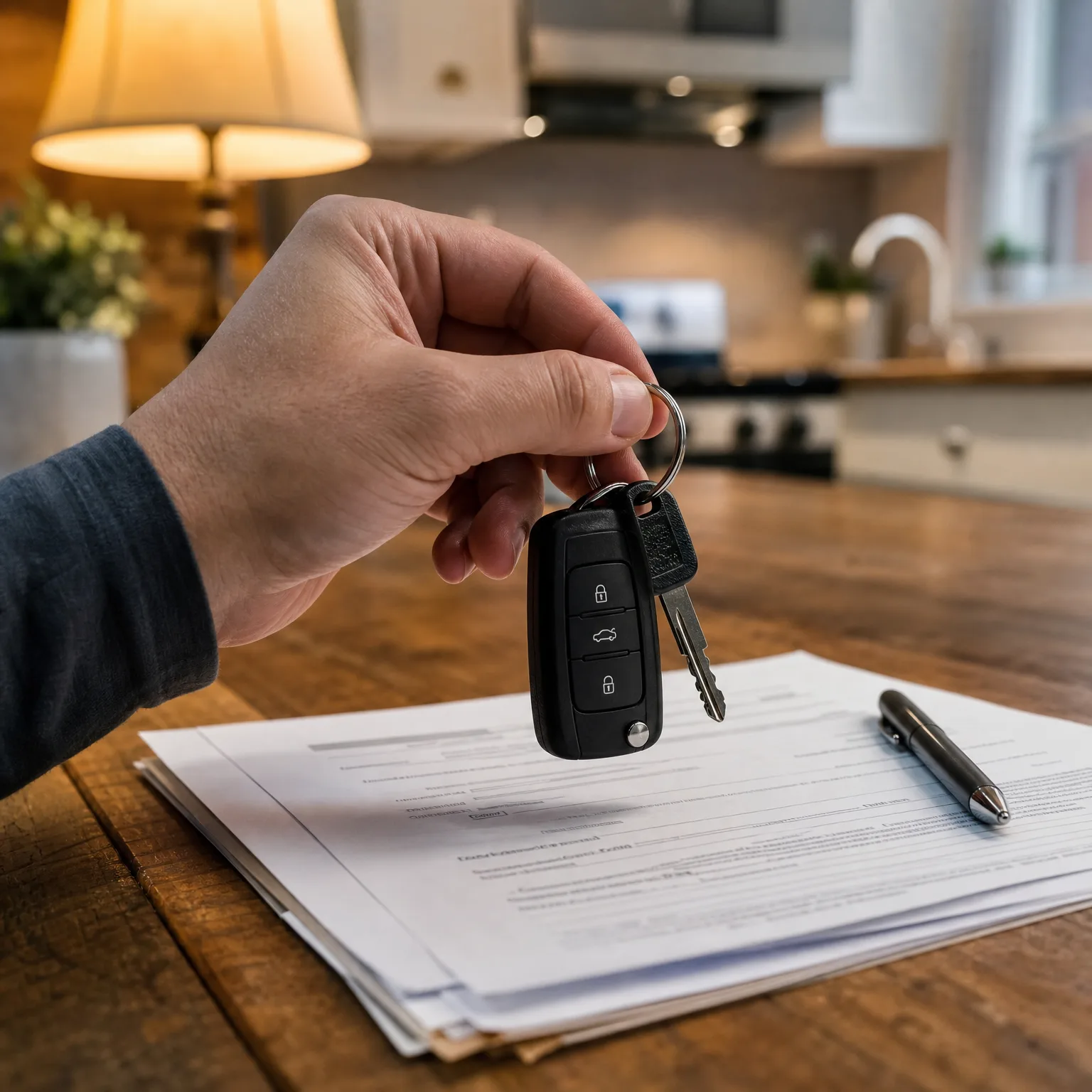
The only way to truly lock an SR-22 rate is to bind the policy and pay the first month's premium. Once bound, the carrier cannot reprice your policy mid-term unless you make a material change — add a driver, change vehicles, or let the SR-22 filing lapse. If you need more time to compare but want to secure a specific quote, bind it, then continue shopping. Most states allow cancellation within 10 to 30 days with a prorated refund minus any applicable short-rate penalty.
Some non-standard carriers offer rate holds for a fee — typically $25 to $50 — that locks your quote for an additional 7 to 14 days. This is uncommon in SR-22 business but available through brokers working surplus lines markets. Ask explicitly: "Can I pay to extend this quote?" If the answer is yes, get the extended expiration date in writing before paying the fee.
If you're comparing multiple SR-22 quotes, get all quotes within a 48-hour window and make your decision within 7 days of the earliest quote date. Staggering your shopping over two weeks guarantees that your first quotes will expire before your last quotes arrive. Compress the timeline. Request all quotes on Monday, compare Tuesday through Thursday, bind by Friday.

When market conditions make quote validity windows even shorter
Catastrophic weather events, even in other states, can shorten SR-22 quote windows to 3 to 5 days. Carriers reprice high-risk business faster than standard auto when capital reserves tighten after hurricanes, wildfires, or hailstorms. If you receive an SR-22 quote during an active CAT season, assume the expiration date is half the stated window and bind accordingly.
Rate filing approvals also compress windows. When a state insurance department approves a carrier's rate increase, the new rates take effect on a specific date — sometimes with as little as 10 days' notice to the carrier. Quotes issued before the effective date expire the day before the new rates go live, regardless of the original expiration timestamp. Carriers rarely proactively notify applicants of this, so a quote you received 8 days ago may have already expired due to a filing you never heard about.
End-of-quarter underwriting audits trigger repricing waves in non-standard auto. Carriers review loss ratios and adjust appetite in the final week of March, June, September, and December. If you request an SR-22 quote during the last 10 days of any quarter, expect the carrier to hold it for 5 days maximum — underwriting knows rate tables may change before month-end and won't honor stale quotes into the new quarter.
Frequently Asked Questions
Can I renew an expired SR-22 quote at the original price?
No. Once an SR-22 quote expires, carriers treat any new request as a fresh application with current pricing. Some carriers allow a one-time manual review within 72 hours of expiration if you contact them directly, but approval is discretionary and rare. If rates increased industrywide or your violation category saw claims activity during the window, expect 10–25% higher pricing on the new quote.
Do all SR-22 carriers expire quotes faster than standard auto?
Yes. Non-standard carriers writing SR-22 business typically hold quotes for 7 to 14 days, compared to 30 days for standard policies. High-risk pricing changes faster because claims volatility in DUI and violation pools is higher. Aggregators often display SR-22 quotes with 30-day timestamps, but the underlying carrier binding window is always shorter.
What if my SR-22 quote expires before my DMV deadline?
Request a new quote immediately. Expired quotes do not satisfy state SR-22 filing deadlines — you must bind an active policy and have the carrier file the certificate with your state before your compliance deadline. If your original quote expired and repricing puts the new rate out of reach, contact a broker who writes surplus lines SR-22. They can often find coverage within 48 hours, though rates will be higher than standard non-standard market quotes.
Can I bind an SR-22 policy and cancel it if I find a better rate later?
Yes, but expect a short-rate penalty. Most states allow cancellation with prorated refund, but non-standard carriers often charge a penalty of 10–15% of the unearned premium if you cancel within the first 60 days. If you're still comparison shopping but need to lock a rate, binding and canceling is the only true rate lock available for SR-22 business.
Related Articles

SR-22 Final 90 Days: When to Shop for Better Rates
5/17/2026

SR-22 Ends: When Your Rate-Shop Window Opens
5/17/2026

SR-22 Quote Stack: Three Quotes in One Hour
5/17/2026

Compare 3 SR-22 Quotes in Under an Hour: How to Shop Fast
5/17/2026

SR-22 First 90 Days: Early-Filing Rate Adjustments
5/17/2026

SR-22 Final 30 Days: Carrier-Shop Checklist
5/17/2026