
SR-22 with State ID Only: Who Qualifies Without a License
Find SR-22 Coverage NowCan You File SR-22 Without a Valid Driver's License?
Yes, you can file SR-22 in most states using only a state-issued ID, not a driver's license. The SR-22 certificate proves financial responsibility to your state DMV — it does not require you to hold a valid license at the time of filing. This matters if your license is suspended, revoked, or you never had one but need to satisfy a court order or reinstatement requirement.
Carriers write two types of SR-22 policies for non-licensed drivers: non-owner SR-22 (if you drive occasionally but don't own a vehicle) and owner-operator or named-driver exclusion policies (if you own a vehicle but won't drive it during the filing period). Both prove financial responsibility. Both require you to provide a state ID number instead of a license number when the carrier files the certificate.
The filing itself costs the same — typically $15 to $50 depending on your state and carrier. Monthly premiums for non-owner SR-22 range from $30 to $80 per month for minimum liability limits. If you own a vehicle but aren't driving, expect $60 to $150 per month with a named driver exclusion, depending on the vehicle and your violation history. Estimates based on available industry data; individual rates vary by state, violation type, and coverage selections.
Who Needs SR-22 Filing Without a Driver's License
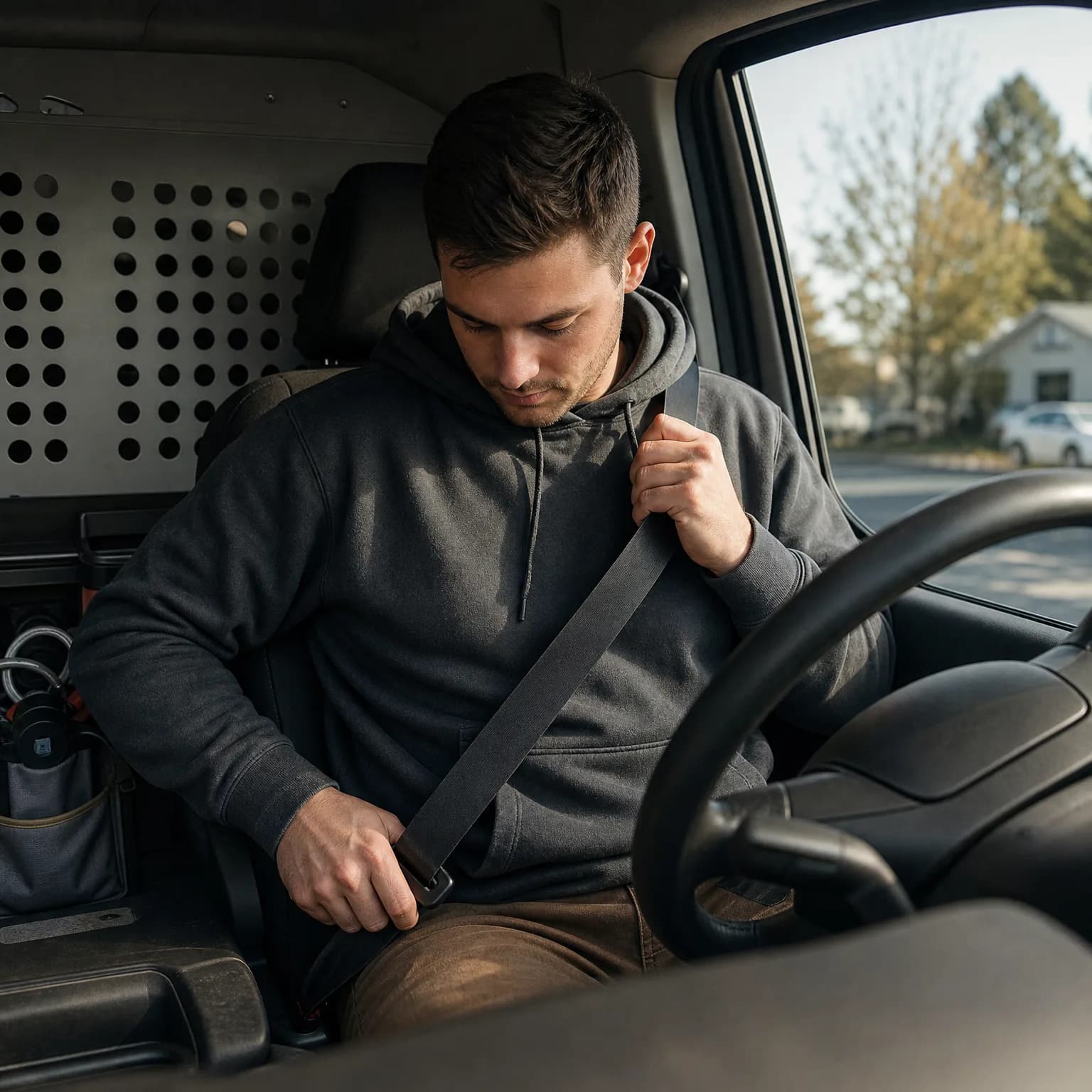
You need SR-22 without a valid license if your state requires proof of financial responsibility as a condition of reinstatement, even before your driving privileges are restored. Common scenarios include DUI convictions where the court mandates SR-22 for three years starting immediately, driving without insurance citations that triggered a suspension, multiple violations that resulted in license revocation, or at-fault accidents while uninsured.
Some states require SR-22 filing before you can apply for a hardship or restricted license. Others require continuous SR-22 coverage during your suspension period as proof you're maintaining insurance even though you can't legally drive. If your reinstatement paperwork lists SR-22 as a requirement, you must file it whether or not you currently hold a license.
Non-licensed SR-22 also applies if you were never licensed but received a citation requiring proof of insurance. This happens when unlicensed drivers are caught behind the wheel or involved in accidents. The state may not issue a license until you prove financial responsibility through SR-22, even if you don't plan to drive.

How Non-Owner SR-22 Works with State ID Only
Non-owner SR-22 provides liability coverage when you drive a vehicle you don't own — a friend's car, a rental, or a borrowed vehicle. The policy does not cover a specific vehicle. It covers you as a driver. Carriers issue the SR-22 certificate attached to this policy, and your state DMV receives proof that you're maintaining continuous liability coverage at or above state minimums.
You apply using your state ID number, date of birth, and address. The carrier files the SR-22 electronically with your DMV within 24 to 72 hours. You receive a paper copy for your records. If you let the policy lapse or cancel it, the carrier notifies the DMV immediately, which typically triggers a new suspension and resets your filing period to zero in most states.
Non-owner SR-22 does not cover vehicles you own, vehicles registered in your name, or vehicles you use regularly. If you own a car, you need a standard auto policy with SR-22, even if someone else drives it. Misrepresenting vehicle ownership to get cheaper non-owner coverage voids the policy and the SR-22 filing.
Owner Policies with Named Driver Exclusion
If you own a vehicle but your license is suspended or revoked, you can maintain SR-22 by insuring the car under a standard policy and adding a named driver exclusion for yourself. This tells the carrier that you will not drive the vehicle during the policy period. Someone else — a spouse, family member, or household member with a valid license — must be listed as the primary driver.
The carrier files SR-22 on this policy using your state ID. The policy proves you're maintaining financial responsibility for the vehicle you own, even though you're excluded from driving it. This satisfies DMV SR-22 requirements in most states. Monthly premiums for owner policies with driver exclusions range from $60 to $150 depending on the vehicle, the listed driver's record, and your violation history.
If you drive the vehicle while excluded, any accident or claim will be denied, the policy may be cancelled, and your SR-22 filing will lapse. This resets your filing period and adds a new suspension. Named driver exclusions are binding — you cannot drive the car at all during the exclusion period.

See What Your SR-22 Should Really Cost
Find SR-22 Coverage Now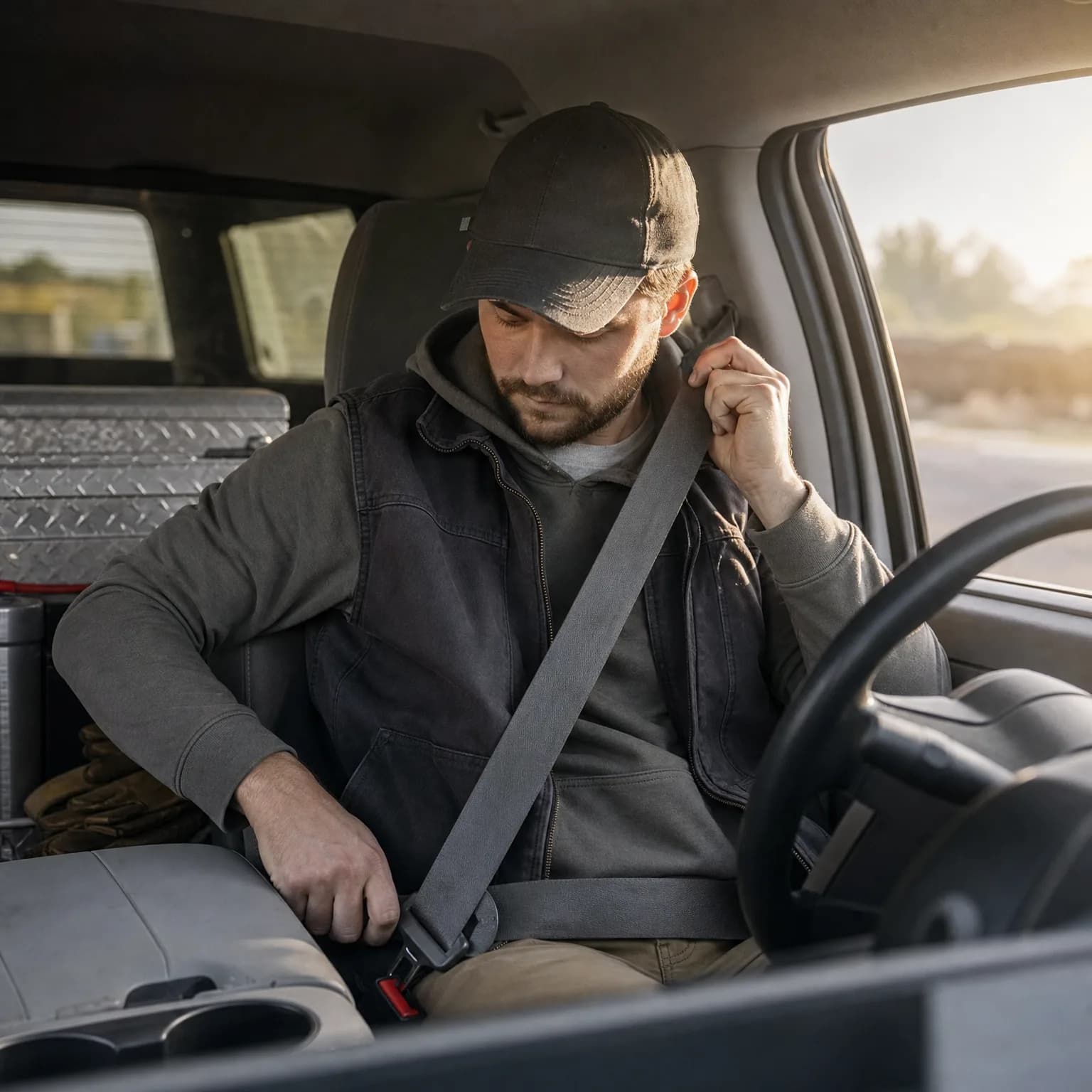
State-Specific Rules for SR-22 Without a License
Most states allow SR-22 filing without a valid driver's license, but a few impose additional restrictions. California, Florida, and Texas allow non-owner SR-22 using a state ID and do not require the filer to hold a license at the time of filing. Illinois and Ohio allow it but require proof of identity through a state-issued ID card, not just any government ID.
Some states require you to apply for license reinstatement before SR-22 becomes effective, even if reinstatement is not immediately granted. Others require the SR-22 filing to begin before reinstatement is possible. Check your DMV reinstatement notice or suspension order — it will state whether SR-22 must be on file before you apply for reinstatement or whether it becomes required only after reinstatement is approved.
A few states use alternative certificates instead of SR-22. Virginia requires FR-44 for DUI offenses, which works the same way but requires higher liability limits. Florida uses FR-44 for DUI cases and SR-22 for other violations. If your state uses an alternative certificate, the same non-owner and state ID filing rules apply — the certificate name changes, the process does not.
Which Carriers Write SR-22 for Non-Licensed Drivers
Not all carriers write non-owner SR-22, and fewer write SR-22 for drivers without a valid license. National carriers like State Farm, Progressive, and GEICO offer non-owner SR-22 in most states, but eligibility varies by your violation type and state. Progressive writes non-owner SR-22 in all 50 states and accepts state ID in place of a license number. The General and Direct Auto specialize in high-risk and non-standard SR-22 filings, including non-licensed drivers.
Some carriers require you to apply for reinstatement or hold a hardship license before they'll issue a policy, even if state law does not require it. Others write the policy immediately using your state ID. Call the carrier directly — online quote tools often reject non-licensed applicants automatically, but phone underwriters can process the application manually.
Brokers and independent agents access multiple carriers and can place non-owner SR-22 for non-licensed drivers more easily than captive agents tied to a single carrier. If you're turned down by one carrier, try a broker specializing in high-risk or SR-22 coverage.
Cost Differences Between Licensed and Non-Licensed SR-22
Non-owner SR-22 for non-licensed drivers typically costs $30 to $80 per month for state minimum liability limits. If you hold a valid license and file non-owner SR-22, expect the same range — the license status does not significantly change non-owner premiums because the policy does not cover a specific vehicle.
Owner policies with named driver exclusions cost more because the carrier insures a specific vehicle, even though you're excluded. Monthly premiums range from $60 to $150 depending on the vehicle value, the primary driver's record, and your violation history. The SR-22 filing fee — typically $15 to $50 — is the same whether you have a license or not.
If you regain your license mid-policy, notify your carrier immediately. Your non-owner policy may need to convert to a standard policy if you start driving regularly or purchase a vehicle. Failing to update your license status can void coverage and cancel your SR-22 filing.
Frequently Asked Questions
Can I get SR-22 with just a state ID and no driver's license?
Yes, most states allow you to file SR-22 using a state-issued ID instead of a driver's license. Carriers write non-owner SR-22 policies or owner policies with named driver exclusions that prove financial responsibility without requiring you to hold a valid license at the time of filing.
How much does non-owner SR-22 cost if I don't have a license?
Non-owner SR-22 for drivers without a valid license typically costs $30 to $80 per month for state minimum liability coverage, plus a one-time filing fee of $15 to $50. Rates vary by state, violation type, and carrier.
What happens if I get my license back while on non-owner SR-22?
Notify your carrier immediately if you regain your license. Your non-owner SR-22 policy may need to convert to a standard auto policy if you start driving regularly or purchase a vehicle. Failing to update your license status can void coverage and cancel your SR-22 filing.
Do all insurance carriers accept state ID for SR-22 filing?
No, not all carriers write SR-22 for non-licensed drivers. Progressive, The General, and Direct Auto accept state ID for non-owner SR-22 in most states. Many national carriers require a valid license or refer non-licensed applicants to specialty subsidiaries.
Can I own a car and file SR-22 without a driver's license?
Yes, you can maintain SR-22 on a vehicle you own by insuring it under a standard policy and adding a named driver exclusion for yourself. Someone else with a valid license must be listed as the primary driver, and you cannot drive the vehicle during the exclusion period.
Related Articles
Do I Need SR-22 Without a Car? Non-Owner Filing Guide
5/17/2026

Non-Owner SR-22 Insurance: Coverage Without a Car
5/17/2026

Can You Get SR-22 Without a Driver's License?
5/17/2026

Non-Owner SR-22: Get Coverage Without a Vehicle
5/17/2026
SR-22 with No Driving History: First-Time Filer Guide
5/17/2026

Do I Need SR-22 If I Only Drive a Company Vehicle?
5/17/2026