What Affects Rates in Fairbanks
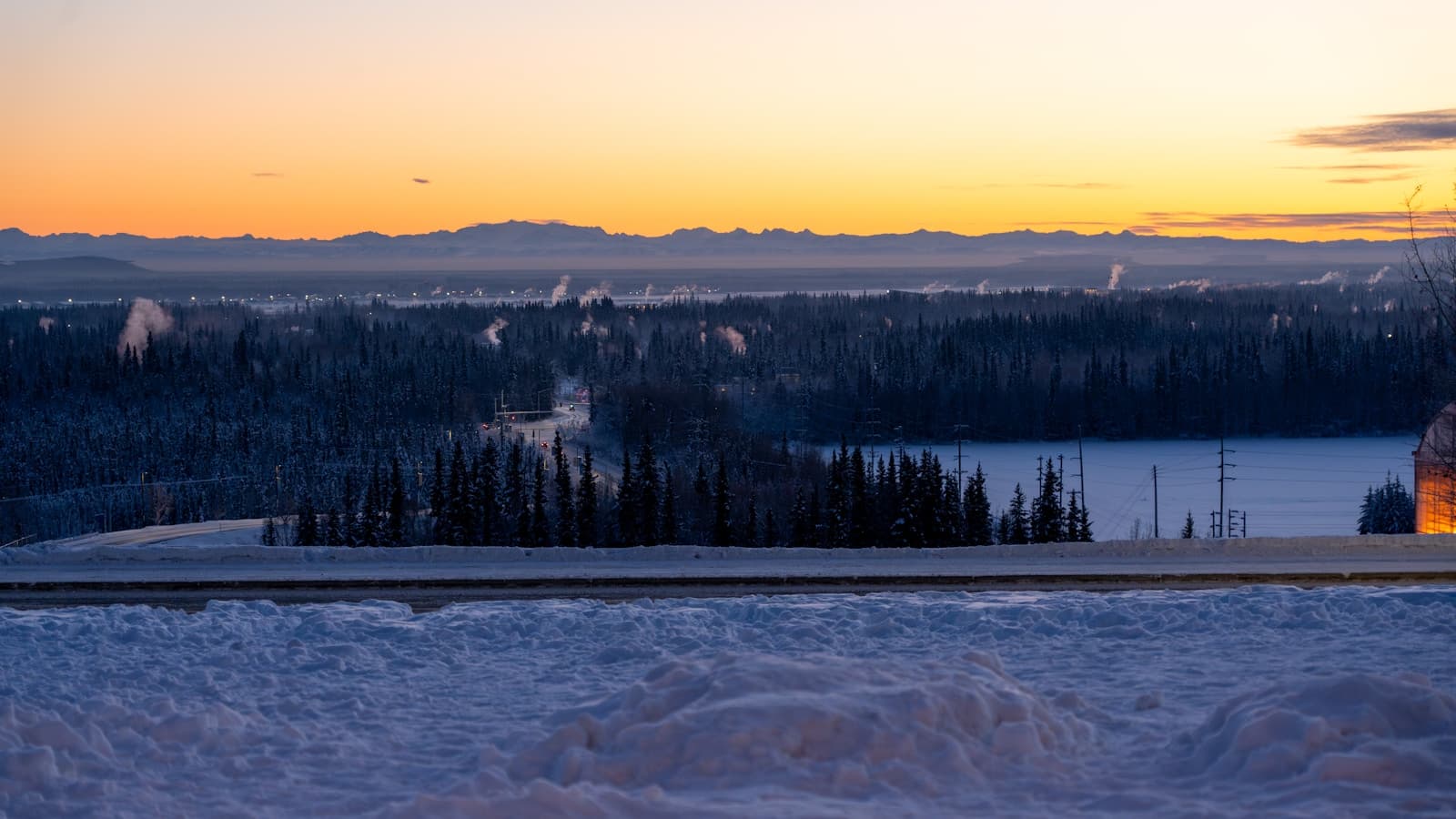
- Extreme Winter Driving Conditions: Fairbanks experiences temperatures below -40°F and prolonged ice coverage from October through April, creating hazardous driving conditions that insurers view as elevated risk for drivers already carrying violations. A DUI or at-fault accident on your record compounds the statistical risk insurers assign to winter collision exposure in Interior Alaska.
- Limited Carrier Competition: Fairbanks has fewer insurance carriers operating compared to Anchorage, reducing competitive pricing pressure for high-risk policies and often requiring drivers with violations to seek non-standard insurers or state-assigned risk pools. This limited market can result in higher premiums for SR-22 filers than in larger Alaska cities.
- Higher Uninsured Driver Rates in Rural Areas: Alaska's statewide uninsured motorist rate hovers around 13–15%, with higher concentrations in areas surrounding Fairbanks. For high-risk drivers, insurers price in the likelihood of accidents with uninsured motorists, particularly on rural roads connecting to Fairbanks where enforcement is sparse.
- DUI Enforcement on Parks and Richardson Highways: Alaska State Troopers maintain active DUI checkpoints and patrols on the Parks Highway (Route 3) and Richardson Highway (Route 2) leading into Fairbanks, particularly during winter holidays. Repeat violations in these corridors trigger longer SR-22 filing periods and steeper premium increases for drivers already in high-risk categories.
- Distance to Alternative Transportation: Fairbanks lacks extensive public transit compared to urban centers, meaning drivers with suspended licenses or SR-22 requirements still need vehicle access for work and essentials. Insurers recognize that high-risk drivers in Fairbanks are less likely to reduce mileage, maintaining exposure levels that keep premiums elevated.
Find out exactly how long SR-22 is required in your state
Coverage Recommendations
Cost estimates are based on available industry data and vary by driver profile. These are not insurance quotes.
SR-22 Insurance
Alaska requires SR-22 filing for 3 years following DUI convictions, refusing a breath test, or driving without insurance. The filing itself costs $25–$50, but the underlying high-risk policy in Fairbanks typically runs $185–$340/month depending on violation severity and driving history.
$25–$50 filing fee; policy $185–$340/moEstimated range only. Not a quote.
Liability Insurance
Alaska mandates minimum liability limits of $50,000 bodily injury per person, $100,000 per accident, and $25,000 property damage. Drivers with DUIs or at-fault accidents pay significantly more than standard-risk drivers—often double or triple—due to increased liability exposure insurers assign to repeat violators in winter-driving conditions.
Minimums required; high-risk pays 2x–3x standard ratesEstimated range only. Not a quote.
Uninsured Motorist Coverage
With 13–15% of Alaska drivers uninsured and higher rates in rural areas near Fairbanks, uninsured motorist coverage protects you when hit by a driver without insurance. Not required in Alaska, but critical for high-risk drivers who cannot afford out-of-pocket costs if struck by an uninsured motorist on icy highways.
Optional; $15–$35/mo added cost for high-riskEstimated range only. Not a quote.
Non-Standard Auto Insurance
Drivers with multiple DUIs, suspended licenses, or SR-22 requirements often need non-standard insurers in Fairbanks, as major carriers decline high-risk applicants. Non-standard policies cost more but provide the legal coverage required to maintain SR-22 filing and regain driving privileges in Alaska.
$185–$340/mo typical range for non-standardEstimated range only. Not a quote.