What Affects Rates in Colorado Springs
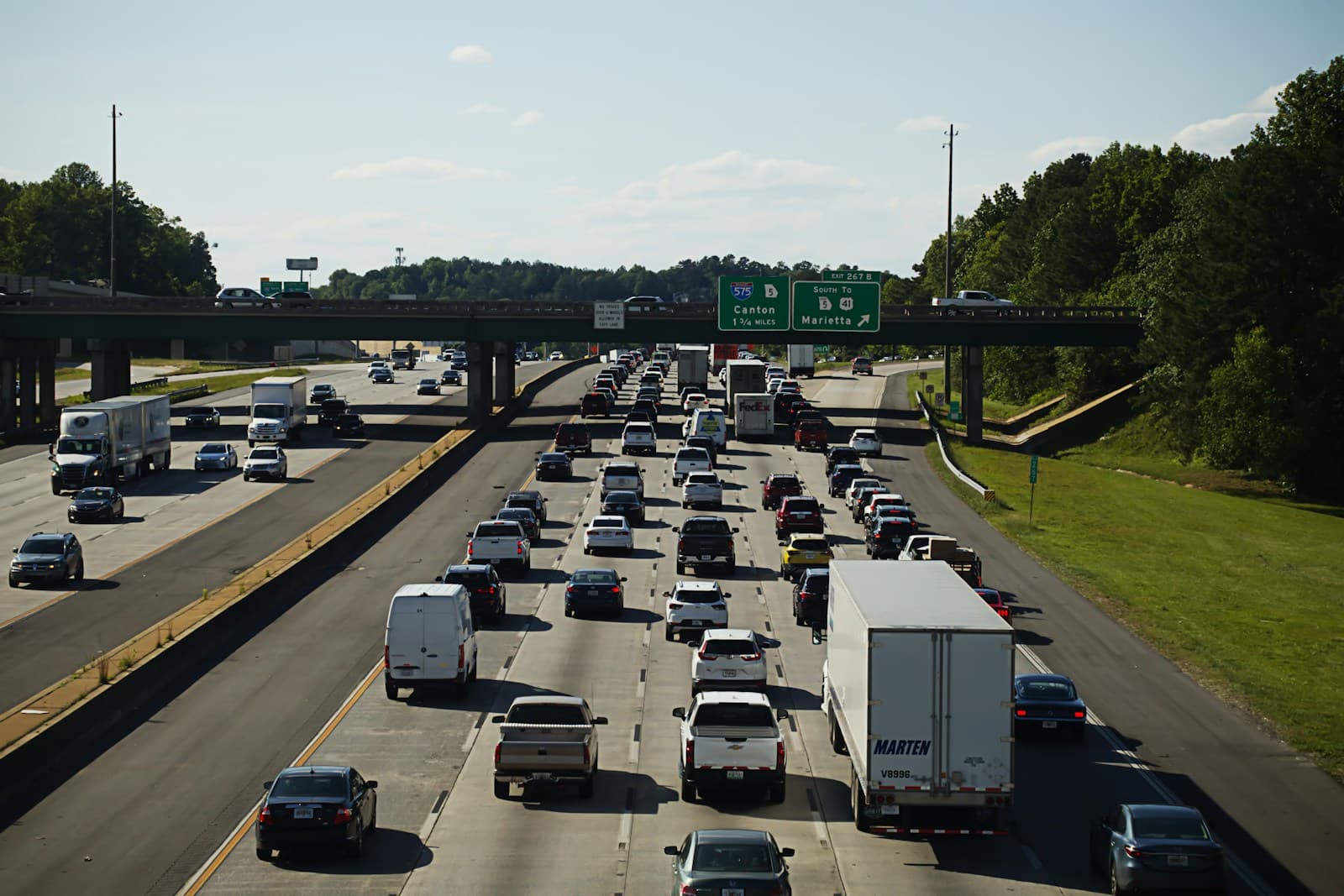
- I-25 Corridor Accident Density: The I-25 corridor through Colorado Springs sees heavy traffic volume and frequent accidents, particularly near the Cimarron Street and Circle Drive interchanges. High-risk drivers with at-fault accidents already on record face steeper rate increases in zones with elevated crash frequency, as insurers weight location-based risk heavily for non-standard policies.
- Elevation and Weather Impact: Colorado Springs sits at 6,035 feet with rapid weather shifts, including sudden snow, hail, and ice conditions from October through April. Drivers with recent comprehensive claims or at-fault weather-related accidents see compounded rate increases, as carriers price weather risk into high-risk policies differently than standard coverage.
- High Uninsured Driver Concentration: Colorado's uninsured motorist rate hovers near 13%, among the higher rates regionally. For high-risk drivers required to carry SR-22 proof, adding uninsured motorist coverage—while not mandated—becomes critical, as any additional at-fault incident with an uninsured party can extend SR-22 filing periods and further elevate premiums.
- Military Population and Transient Risk: Fort Carson and Peterson Space Force Base contribute to a highly transient population with varied driving histories. Non-standard insurers in Colorado Springs often see higher-than-average lapse rates among transient drivers, which tightens underwriting and raises premiums for all high-risk applicants, including those with prior lapses.
- State SR-22 Monitoring System: Colorado employs electronic SR-22 filing directly from insurers to the DMV. Any lapse in coverage triggers automatic license suspension, and reinstatement requires a new 3-year SR-22 period from the lapse date. This zero-tolerance monitoring means continuous coverage is non-negotiable for high-risk drivers in Colorado Springs.
Find out exactly how long SR-22 is required in your state
Coverage Recommendations
Cost estimates are based on available industry data and vary by driver profile. These are not insurance quotes.
SR-22 Insurance
Colorado requires SR-22 proof after DUI, reckless driving, driving without insurance, or accumulating excessive points. The filing itself costs $15–$25, but underlying liability coverage for high-risk drivers typically runs $180–$340/month. You must maintain continuous coverage for 3 years; any lapse restarts the clock and triggers immediate license suspension.
$15–$25 filing + $180–$340/mo coverageEstimated range only. Not a quote.
Liability Insurance
Colorado mandates 25/50/15 minimum liability limits ($25,000 bodily injury per person, $50,000 per accident, $15,000 property damage). High-risk drivers often pay 150–250% above standard rates for these minimums. Given Colorado Springs' accident density on I-25 and the 13% uninsured driver rate, many high-risk drivers opt for 50/100/50 or higher to avoid out-of-pocket exposure in multi-vehicle incidents.
$150–$280/mo for state minimumsEstimated range only. Not a quote.
Uninsured Motorist Coverage
Not required in Colorado, but critical for high-risk drivers in Colorado Springs given the ~13% uninsured rate. If an uninsured driver causes an accident and you're deemed at-fault or partially at-fault, another incident on your record extends SR-22 requirements and compounds rate increases. Uninsured motorist coverage typically adds $20–$50/month to high-risk policies.
+$20–$50/mo for UM coverageEstimated range only. Not a quote.
Non-Standard Auto Insurance
Drivers with multiple DUIs, suspended licenses, or repeated lapses often cannot access standard market carriers and must use non-standard or assigned-risk insurers. Colorado Springs has regional non-standard carriers that specialize in SR-22 filings and high-violation profiles, though premiums can reach $300–$400/month for state minimum coverage depending on violation severity and recency.
$300–$400/mo for severe violationsEstimated range only. Not a quote.