What Affects Rates in Bridgeport
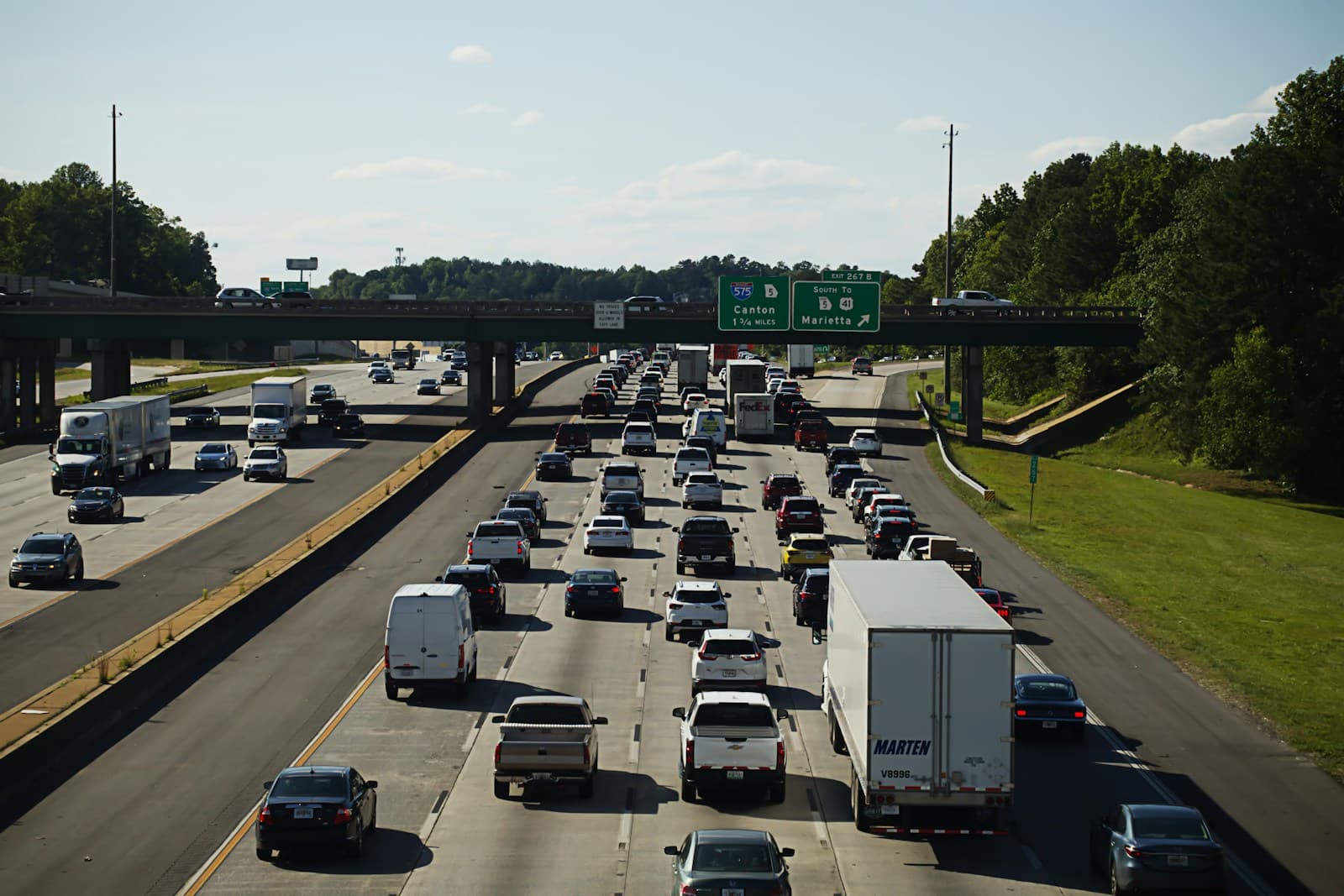
- I-95 and Route 8/25 Congestion: Bridgeport sits at the convergence of I-95 and Route 8/25, two of Connecticut's busiest corridors with frequent rear-end collisions and merge-zone incidents. High-risk drivers face steeper surcharges here because insurers price in elevated accident probability along these routes, particularly during weekday commute hours toward Stamford and New Haven.
- Urban Density and Parking Incidents: Bridgeport's population density of approximately 9,200 per square mile—highest in Connecticut—increases comprehensive and collision claim frequency from parking lot incidents, hit-and-runs, and vandalism. Drivers with prior at-fault accidents pay 25–40% more for these coverages than suburban Connecticut drivers.
- Uninsured Motorist Concentration: Connecticut's uninsured motorist rate hovers near 11–13%, with higher concentrations in urban centers including Bridgeport. High-risk drivers should prioritize uninsured/underinsured motorist coverage since a second accident with an uninsured driver can render them uninsurable in the standard market.
- Court-Ordered SR-22 Processing: Connecticut DMV requires continuous SR-22 certification filed electronically by your insurer; any lapse triggers automatic license suspension and restarts the 3-year clock. Bridgeport drivers working with non-standard carriers must confirm the insurer is licensed to file SR-22 in Connecticut—some regional carriers do not offer this service.
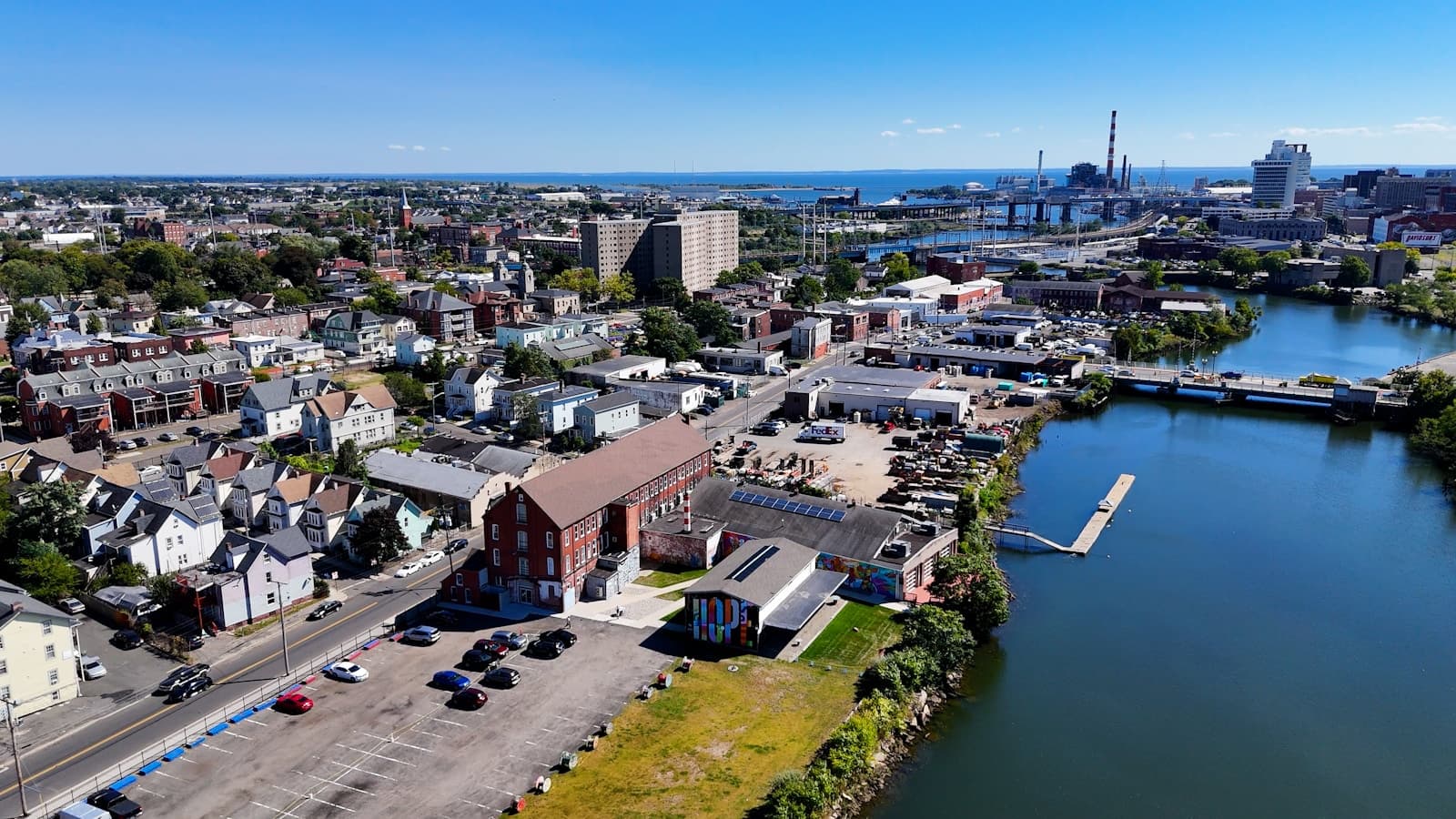
- Coastal Weather and Comprehensive Claims: Bridgeport's proximity to Long Island Sound increases flood and storm damage risk, particularly in low-lying neighborhoods near Seaside Park and the South End. High-risk drivers with comprehensive coverage see higher premiums due to elevated weather-related claim history in the city.
Find out exactly how long SR-22 is required in your state
Coverage Recommendations
Cost estimates are based on available industry data and vary by driver profile. These are not insurance quotes.
SR-22 Insurance
Connecticut requires SR-22 filing for 3 years following DUI, reckless driving, or driving without insurance convictions. The SR-22 itself costs $25–$50 to file, but expect your underlying liability premium to increase 150–200% while the filing is active. Non-standard carriers like The General, National General, and Bristol West commonly serve Bridgeport SR-22 drivers.
$2,400–$4,800/year full coverageEstimated range only. Not a quote.
Liability Insurance
Connecticut mandates 25/50/25 minimums, but high-risk drivers in Bridgeport should carry at least 100/300/100 due to the city's high uninsured motorist rate and congested roadways where multi-vehicle accidents are common. Minimum coverage for a driver with a DUI runs $1,200–$2,400/year; higher limits add $400–$800 annually but protect against wage garnishment in at-fault incidents.
$1,200–$3,200/year (100/300/100)Estimated range only. Not a quote.
Uninsured Motorist Coverage
With 11–13% of Connecticut drivers uninsured and higher concentrations in urban areas, uninsured/underinsured motorist (UM/UIM) coverage is critical for Bridgeport high-risk drivers. Connecticut requires insurers to offer UM/UIM at limits matching your liability; declining it must be done in writing. Cost is typically $150–$400/year and covers your medical bills and lost wages if hit by an uninsured driver.
$150–$400/year added costEstimated range only. Not a quote.
Non-Standard Auto Insurance
Drivers with DUIs, multiple violations, or lapses longer than 60 days often cannot access standard carriers and must use non-standard insurers. In Bridgeport, carriers like The General, Acceptance Insurance, and Dairyland specialize in high-risk profiles. Expect to pay 2–3x standard rates initially, with gradual reductions if you maintain continuous coverage and avoid new violations for 3 years.
$2,400–$5,500/year full coverageEstimated range only. Not a quote.