What Affects Rates in Honolulu
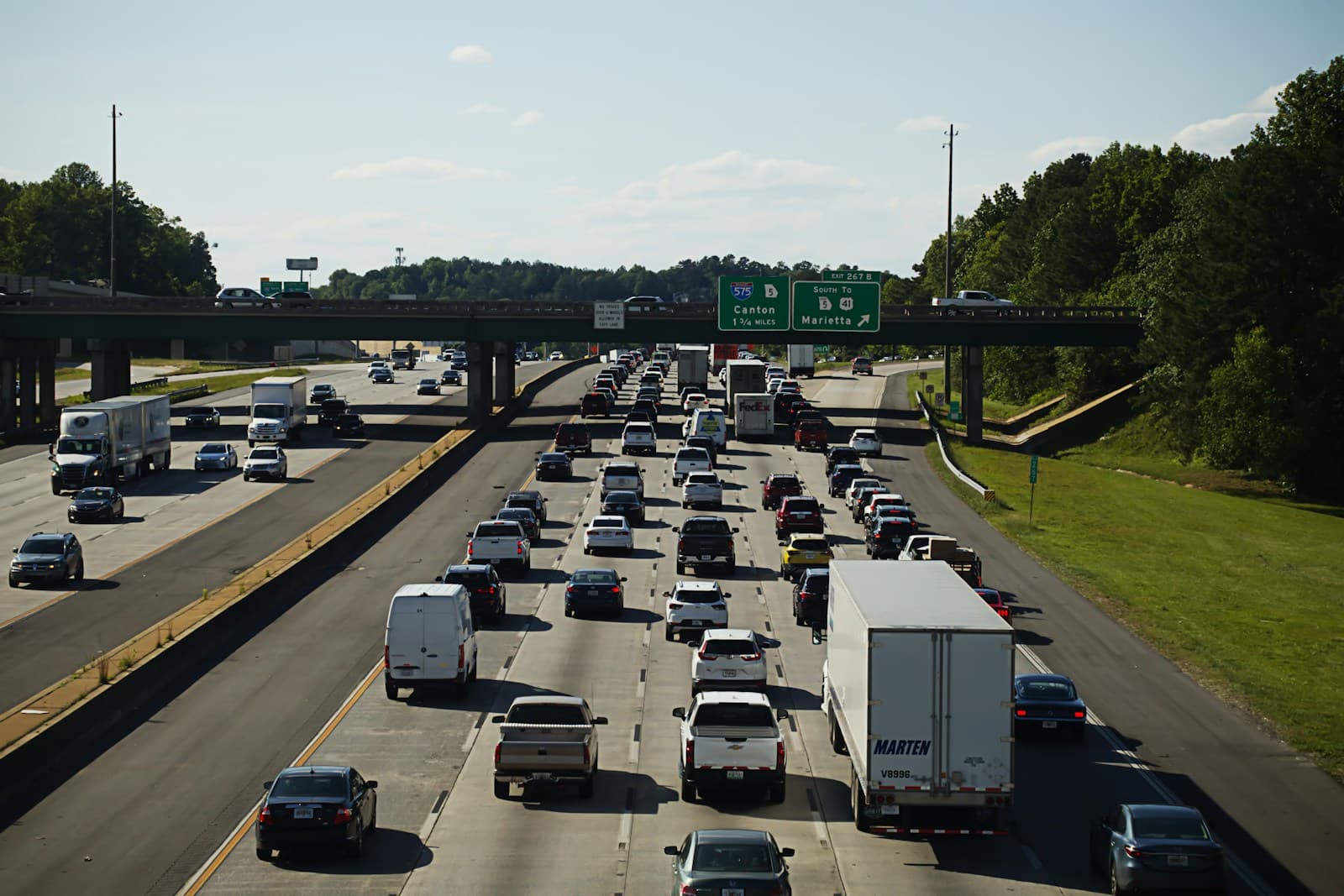
- H-1 Freeway Congestion and Accident Density: The H-1 corridor through urban Honolulu experiences some of the heaviest traffic congestion in the state, with frequent rear-end and merge-related accidents. High-risk drivers with at-fault accidents already on record face steeper rate increases in high-density zip codes like 96814 and 96817 where accident frequency is elevated.
- Hawaii's No-Fault PIP Requirement: Hawaii mandates $10,000 minimum Personal Injury Protection coverage regardless of fault, adding baseline cost to every policy. For high-risk drivers, this non-negotiable layer stacks on top of already-elevated liability premiums, pushing total costs higher than in traditional tort states.
- Uninsured Motorist Exposure on Oahu: Approximately 13% of Hawaii drivers operate uninsured, one of the higher rates in the nation. High-risk drivers in Honolulu should prioritize uninsured motorist coverage given the elevated likelihood of a claim involving an uninsured driver, especially in higher-traffic areas.
- Limited Carrier Competition for Non-Standard Risk: Hawaii's isolated island market limits the number of carriers willing to write high-risk policies, reducing competition and keeping rates higher than mainland metro areas. Non-standard carriers like Acceptance, Progressive, and The General are primary options for SR-22 and post-DUI coverage in Honolulu.
- DUI Court Processing Through Honolulu District Court: DUI convictions processed through Honolulu District Court trigger mandatory SR-22 filing and license reinstatement requirements administered by the Hawaii Administrative Driver's License Revocation Office. Timely SR-22 filing after a DUI is critical to avoid extended suspension periods and additional reinstatement fees beyond the standard $75.
Find out exactly how long SR-22 is required in your state
Coverage Recommendations
Cost estimates are based on available industry data and vary by driver profile. These are not insurance quotes.
SR-22 Insurance
An SR-22 is not a policy but a certificate your insurer files with Hawaii's ADLRO proving you carry at least $20,000/$40,000/$10,000 liability plus $10,000 PIP. In Honolulu, non-standard carriers like Progressive, The General, and Acceptance routinely file SR-22s for drivers with DUIs, suspensions, or multiple violations.
$25–$50 filing fee; underlying coverage $1,800–$3,600/yearEstimated range only. Not a quote.
Liability Insurance
Hawaii requires minimum $20,000 per person/$40,000 per accident bodily injury and $10,000 property damage. High-risk drivers in Honolulu often pay 150–250% above standard rates for minimum liability, with DUIs and at-fault accidents driving the steepest surcharges.
$1,800–$3,600/year for state minimumsEstimated range only. Not a quote.
Uninsured Motorist Coverage
With roughly 13% of Hawaii drivers uninsured, UM/UIM coverage is critical for high-risk drivers in Honolulu who may face limited recovery options after an accident with an uninsured driver. This coverage is offered but not mandated in Hawaii; rejecting it must be done in writing.
Adds $150–$400/year to high-risk policiesEstimated range only. Not a quote.
Personal Injury Protection (PIP)
Hawaii's no-fault system requires $10,000 minimum PIP to cover your medical expenses and lost wages regardless of fault. High-risk drivers cannot waive PIP; it's a mandatory base layer that contributes to higher total premiums compared to tort-only states.
Mandatory; included in all quotesEstimated range only. Not a quote.