What Affects Rates in Charlotte
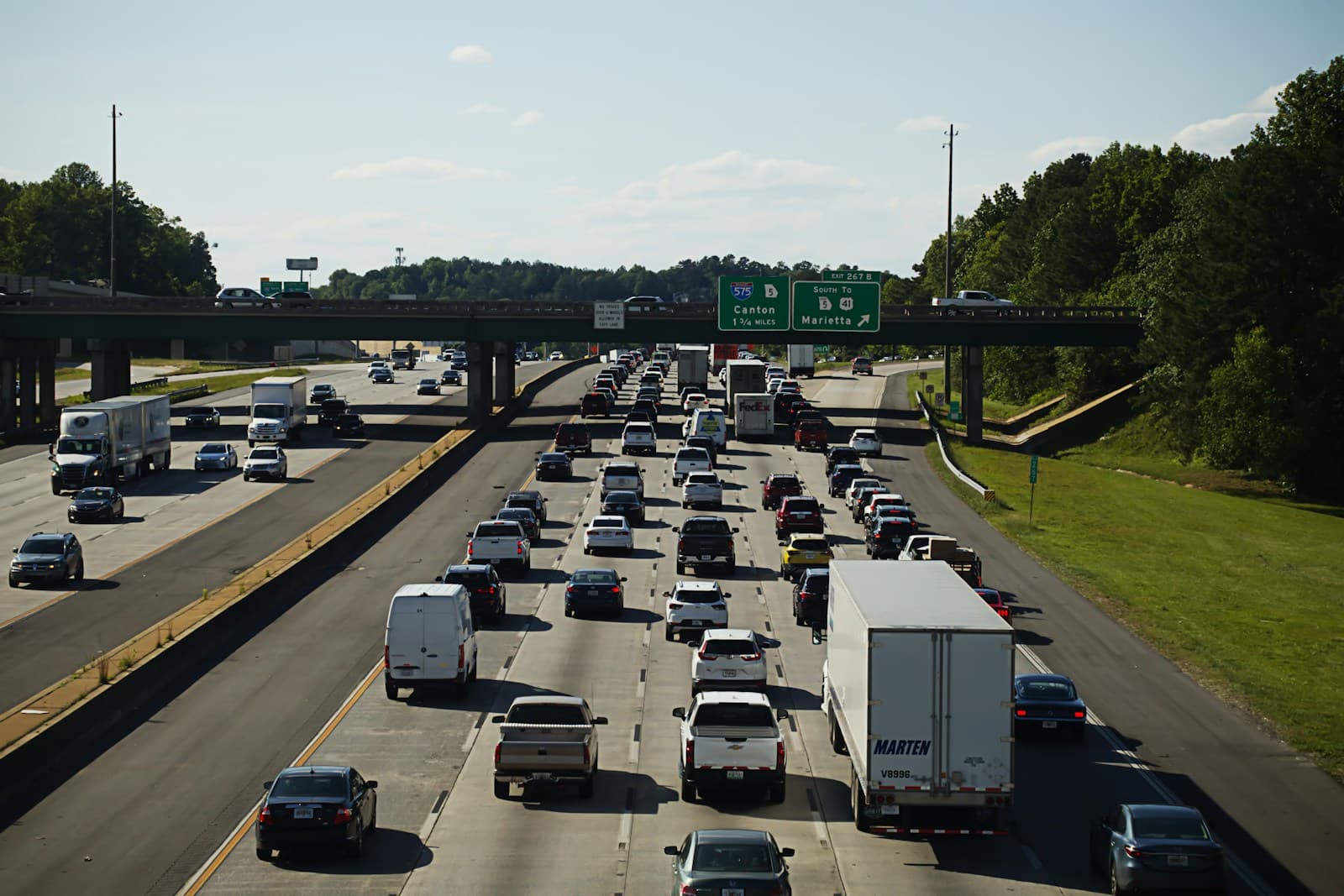
- I-77 and I-85 Corridor Congestion: Charlotte's status as a regional banking and logistics hub creates heavy commuter traffic on I-77 and I-85, with elevated accident rates during rush hours. High-risk drivers face steeper rate increases here because urban density and stop-and-go patterns correlate with higher claim frequency for drivers with prior violations.
- Mecklenburg County Court System SR-22 Volume: Mecklenburg County processes a high volume of DWI and suspended license cases due to Charlotte's population density, which means local insurers are experienced writing SR-22 policies but remain selective. Non-standard carriers like Bristol West, Dairyland, and The General actively write high-risk business here.
- Uninsured Driver Exposure: North Carolina's statewide uninsured driver rate is 7.4%, but urban corridors around Charlotte see higher concentrations. High-risk drivers should prioritize uninsured motorist coverage, as a second at-fault accident or hit-and-run can extend SR-22 periods and further limit carrier options.
- Growth Suburbs and New Construction Zones: Rapid suburban expansion in Ballantyne, Huntersville, and University City areas brings construction zones, detours, and increased enforcement. High-risk drivers already facing points or suspensions should note that moving violations in work zones carry doubled fines and additional insurance surcharges.
- State-Mandated Minimum Liability Limits: North Carolina requires 30/60/25 liability minimums, which are lower than many states but insufficient after serious at-fault accidents. High-risk drivers with assets to protect should consider 100/300/100 limits, as a second major claim can trigger policy non-renewal and force placement into assigned risk plans.

Find out exactly how long SR-22 is required in your state
Coverage Recommendations
Cost estimates are based on available industry data and vary by driver profile. These are not insurance quotes.
SR-22 Insurance
An SR-22 is a certificate filed by your insurer to the NC DMV proving you carry minimum liability coverage. Required for 3 years after DWI convictions, driving while license suspended, or certain repeat violations. The filing itself costs $50, but the underlying policy premium increases substantially—typically $1,800–$3,600/year for full coverage in Charlotte.
$50 filing + elevated premiumsEstimated range only. Not a quote.
Liability Insurance
North Carolina mandates 30/60/25 liability minimums, but high-risk drivers should carry higher limits (100/300/100) to protect against judgment liens after a second at-fault accident. Charlotte's urban density and heavy I-77/I-85 traffic increase collision risk, and a major claim with minimum coverage can leave you personally liable for six-figure medical bills.
Minimum: $800–$1,800/year; 100/300/100: $1,200–$2,400/yearEstimated range only. Not a quote.
Uninsured Motorist Coverage
With 7.4% of North Carolina drivers uninsured and higher concentrations in urban Charlotte corridors, this coverage pays your medical bills and lost wages if an uninsured driver hits you. Critical for high-risk drivers, as a second not-at-fault accident still triggers rate reviews and can jeopardize policy renewal if you lack UM coverage and file a collision claim instead.
$150–$400/year added premiumEstimated range only. Not a quote.
Non-Standard Auto Insurance
If standard carriers decline your application due to DUI, multiple violations, or long lapses, non-standard insurers like Bristol West, Dairyland, Acceptance, and The General actively write policies in Charlotte. Rates run $1,800–$4,500/year depending on violation severity, but coverage keeps you legal and starts the clock on your SR-22 period.
$1,800–$4,500/year full coverageEstimated range only. Not a quote.