What Affects Rates in Philadelphia
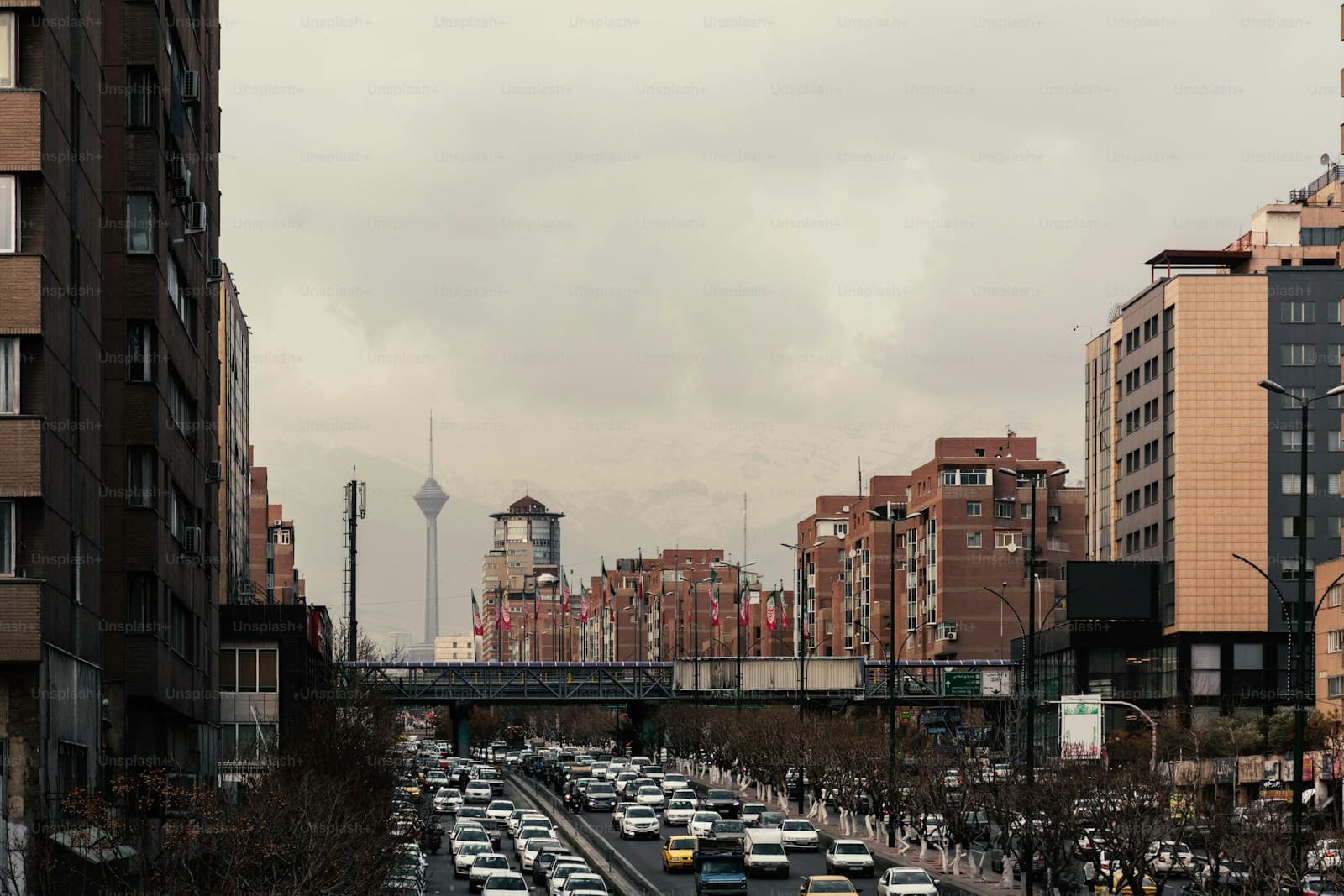
- Center City Traffic Density: Philadelphia's compact downtown grid and I-76/I-95 interchange congestion create elevated accident frequency for high-risk drivers. Insurers price urban Philadelphia ZIP codes higher than suburban Montgomery or Delaware County locations, often adding 15–25% to premiums for drivers with recent violations navigating dense city streets daily.
- Uninsured Motorist Concentration: Pennsylvania's 13.4% uninsured driver rate concentrates heavily in Philadelphia's lower-income neighborhoods. High-risk drivers face steeper uninsured motorist coverage costs here because insurers anticipate hit-and-run or uninsured claims in areas like North Philadelphia and Kensington where coverage gaps run higher.
- DUI Court Processing in Philadelphia County: Philadelphia County Municipal Court processes thousands of DUI cases annually, and conviction timing affects SR-22 filing start dates. Pennsylvania requires 3 years of continuous SR-22 from the date DLC restores your license, not conviction date, meaning Philadelphia DUI defendants often face longer total filing periods due to court backlogs delaying restoration.
- Winter Weather and Lapse Risk: Philadelphia averages 22 inches of snow annually, and winter accidents spike premiums for high-risk drivers already paying elevated rates. A single at-fault winter claim on top of a prior DUI can trigger policy non-renewal, forcing drivers into assigned risk plans costing $5,000+/year.
- PPA Enforcement and License Suspension: Philadelphia Parking Authority boots and tows aggressively for unpaid tickets, and accumulated violations can trigger PennDOT license suspensions requiring SR-22 reinstatement. Even non-moving violations create coverage lapses if drivers can't pay tickets, restarting the 3-year SR-22 clock and adding lapse surcharges of 20–40% to premiums.

Find out exactly how long SR-22 is required in your state
Coverage Recommendations
Cost estimates are based on available industry data and vary by driver profile. These are not insurance quotes.
SR-22 Insurance
Pennsylvania requires SR-22 filing for DUI convictions, license suspensions for multiple violations, and driving uninsured. The SR-22 itself costs $50–$75, but underlying liability coverage for high-risk drivers in Philadelphia runs $1,200–$2,400/year for state minimums, with 3 years of continuous filing monitored by PennDOT.
$50–$75 filing + elevated premiumEstimated range only. Not a quote.
Liability Insurance
Pennsylvania's 15/30/5 minimums are inadequate for Philadelphia's dense urban environment where a multi-car accident on I-76 easily exceeds $15,000 in damages. High-risk drivers should carry 100/300/100 limits despite higher cost ($1,800–$3,200/year) because a single at-fault claim exceeding minimum coverage can trigger personal asset exposure and policy cancellation.
$1,800–$3,200/year for 100/300/100Estimated range only. Not a quote.
Uninsured Motorist Coverage
With 13.4% of Pennsylvania drivers uninsured and concentration higher in Philadelphia neighborhoods, uninsured motorist coverage protects high-risk drivers from hit-and-run or uninsured at-fault drivers. Costs $300–$600/year added to policy, but prevents out-of-pocket expenses if struck by an uninsured driver in Kensington or North Philadelphia.
$300–$600/year added costEstimated range only. Not a quote.
Non-Standard Auto Insurance
High-risk drivers denied by standard carriers can access non-standard insurers operating in Philadelphia, including specialty carriers for DUI and multiple-violation drivers. Premiums run 40–80% higher than standard rates but provide legal coverage and satisfy SR-22 requirements until your record clears enough to qualify for preferred programs after 3–5 years.
40–80% above standard ratesEstimated range only. Not a quote.