What Affects Rates in Reading
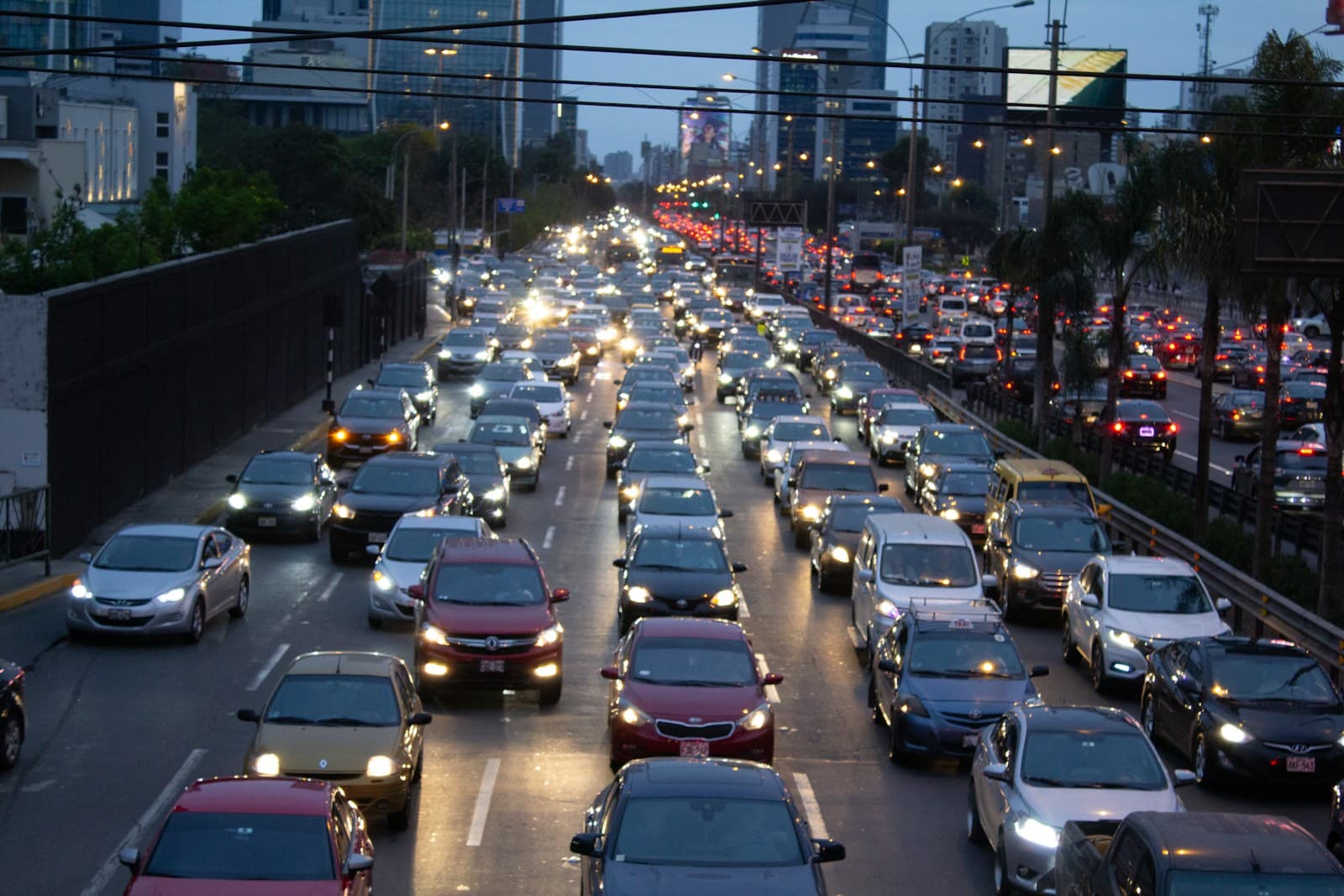
- Route 422 and Urban Corridor Accidents: Reading sits at the convergence of Route 422, Route 222, and Interstate 176, creating high-density commuter traffic that elevates accident frequency. High-risk drivers face steeper premiums due to this concentration of congestion-related incidents, particularly during weekday rush periods through Penn Street and the downtown grid.
- Above-Average Uninsured Driver Population: Berks County maintains a higher-than-state-average uninsured motorist rate, which increases collision risk exposure for all drivers. Carriers price this into high-risk policies, making uninsured motorist coverage essential and raising baseline premiums 8–12% compared to lower-density Pennsylvania counties.
- Berks County Court SR-22 Processing: Pennsylvania SR-22 filings are processed through PennDOT, but Berks County Court of Common Pleas handles DUI cases and license restoration hearings that trigger SR-22 requirements. Delays in court processing or Occupational Limited License approvals can extend how long drivers remain in high-risk status.
- Winter Weather and Claims Frequency: Reading averages 30+ inches of snow annually, with freeze-thaw cycles creating hazardous road conditions on city streets and elevated routes like Skyline Drive. High-risk drivers with at-fault winter accidents see compounding rate increases, as carriers view weather-related claims as control-of-vehicle issues.
- Non-Standard Carrier Concentration: Reading's urban profile and elevated violation rates attract non-standard insurers like Dairyland, The General, and Direct Auto, which operate in Pennsylvania's high-risk market. This creates competitive pressure that can lower rates 10–18% compared to rural markets where fewer non-standard options exist.
Find out exactly how long SR-22 is required in your state
Coverage Recommendations
Cost estimates are based on available industry data and vary by driver profile. These are not insurance quotes.
SR-22 Insurance
Pennsylvania requires SR-22 for three years following DUI convictions, license suspensions for accumulating 6+ points within 12 months, or driving uninsured. The SR-22 itself costs $50–$65 to file, but the underlying high-risk policy in Reading typically runs $1,800–$3,600/year for full coverage depending on violation severity.
$50–$65 filing + elevated premiumsEstimated range only. Not a quote.
Liability Insurance
Pennsylvania mandates minimum liability of $15,000/$30,000/$5,000, but high-risk drivers in Reading should carry $50,000/$100,000/$25,000 or higher due to the city's accident density and uninsured driver exposure. Liability-only policies for SR-22 drivers range $900–$1,800/year based on violation history.
$900–$1,800/year minimum coverageEstimated range only. Not a quote.
Uninsured Motorist Coverage
Berks County's elevated uninsured driver rate makes UM/UIM coverage critical for high-risk drivers who cannot afford another at-fault incident. Pennsylvania requires insurers to offer UM coverage matching liability limits; adding $50,000/$100,000 UM typically costs $150–$300/year extra on a high-risk policy.
$150–$300/year additionalEstimated range only. Not a quote.
Non-Standard Auto Insurance
Drivers with multiple DUIs, suspended licenses, or recent SR-22 filings often cannot access standard carriers and must use non-standard insurers operating in Reading. These policies cost 40–80% more than standard rates but provide legal coverage and a path to standard markets after 3–5 years of clean driving.
40–80% above standard ratesEstimated range only. Not a quote.