What Affects Rates in Chattanooga
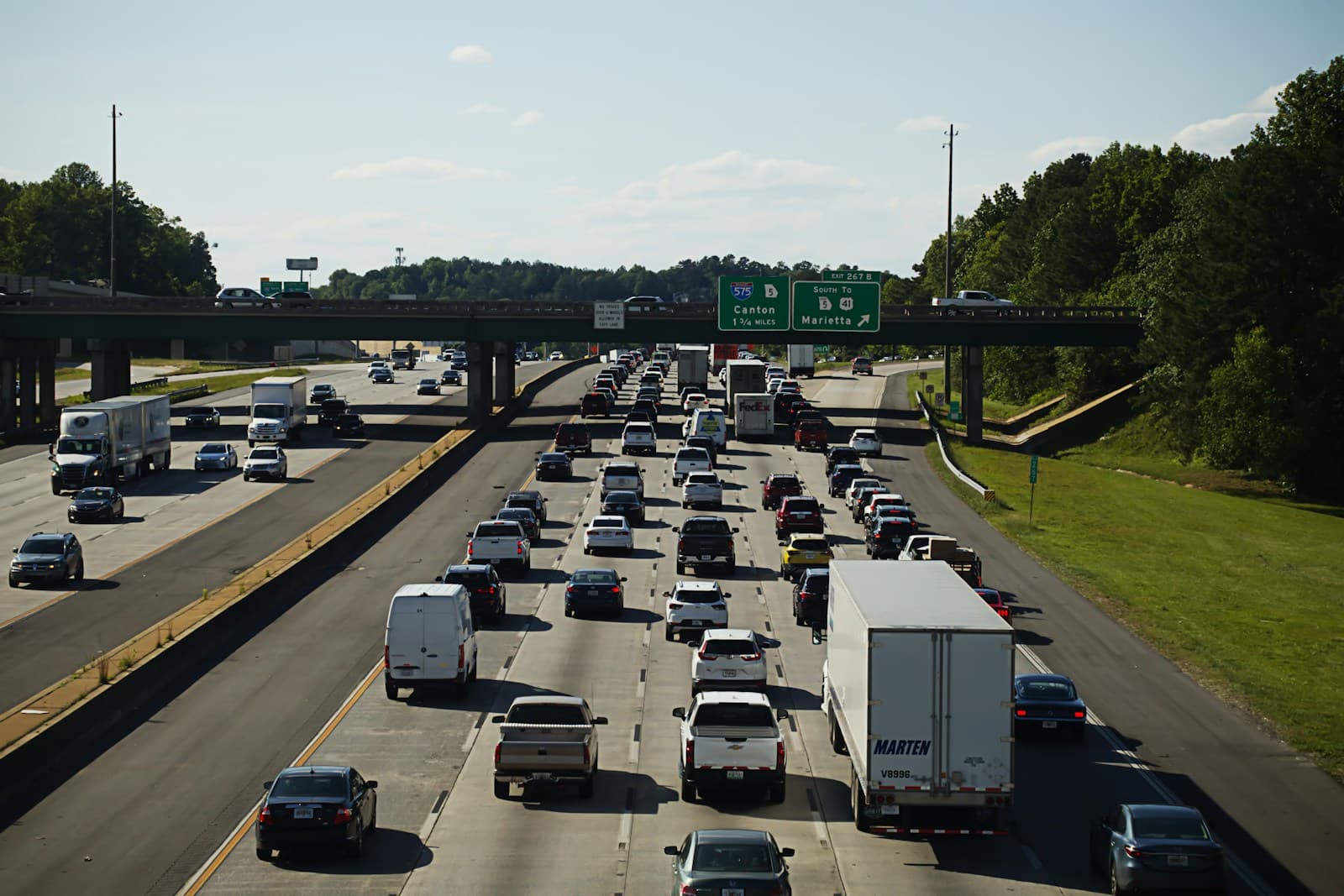
- I-24 and I-75 Corridor Density: Chattanooga sits at the intersection of I-24 and I-75, creating heavy commercial and commuter traffic through downtown and north into Red Bank and Hixson. High-risk drivers living or commuting along these corridors face elevated premiums due to higher accident frequency in congestion zones and interchange areas.
- Hamilton County Court System: DUI and reckless driving cases processed through Hamilton County General Sessions Court result in mandatory SR-22 filings for license reinstatement. The court's reporting to the Tennessee Department of Safety triggers immediate filing requirements, and any lapse during the 3-year period restarts the clock.
- Downtown and Northshore Accident Rates: Downtown Chattanooga and the Northshore district experience higher pedestrian and vehicle accident rates due to mixed commercial, tourist, and residential traffic. Drivers with existing violations who live or work in these areas see higher non-standard premiums due to exposure risk.
- Weather-Related Claims in Valley Areas: Chattanooga's location in the Tennessee Valley results in fog concentration along the Tennessee River corridor and flash flooding in low-lying areas during heavy rain. High-risk drivers with prior at-fault accidents face steeper comprehensive and collision rate increases due to elevated weather-related claim history in these zones.
- Uninsured Motorist Concentration: Tennessee's statewide uninsured motorist rate hovers near 20%, with concentrations in certain Chattanooga neighborhoods increasing the likelihood of uninsured claims. High-risk drivers should prioritize uninsured motorist coverage despite the added cost, as a second at-fault or uninsured claim can push them into assigned risk pools.
Find out exactly how long SR-22 is required in your state
Coverage Recommendations
Cost estimates are based on available industry data and vary by driver profile. These are not insurance quotes.
SR-22 Insurance
SR-22 is a certificate of financial responsibility filed by your insurer with the Tennessee Department of Safety, required for DUI convictions, reckless driving, driving without insurance, or multiple violations. The filing itself costs $25–$50, but expect your underlying liability premium to increase significantly—most Chattanooga drivers see total costs of $180–$350/month for the minimum required 3-year period.
$25–$50 filing + elevated premiumsEstimated range only. Not a quote.
Liability Insurance
Tennessee mandates minimum liability limits of $25,000 per person/$50,000 per accident for bodily injury and $15,000 for property damage. High-risk drivers in Chattanooga should consider higher limits—$50,000/$100,000/$50,000 or greater—because a second at-fault accident with minimum coverage can lead to personal liability exposure and assignment to the state's residual market.
$120–$280/month for high-risk driversEstimated range only. Not a quote.
Uninsured Motorist Coverage
With approximately 20% of Tennessee drivers uninsured, this coverage protects you if you're hit by a driver with no insurance or insufficient limits. For high-risk drivers already paying elevated premiums, adding uninsured motorist coverage costs an additional $10–$30/month but prevents out-of-pocket costs if an uninsured driver causes your next accident.
$10–$30/month additionalEstimated range only. Not a quote.
Non-Standard Auto Insurance
Non-standard carriers specialize in high-risk profiles—DUIs, multiple violations, lapses, or SR-22 requirements—and operate throughout Chattanooga. These insurers charge higher premiums but offer coverage when standard carriers decline. After 3–5 years of clean driving, you can transition back to standard market rates.
$180–$350/month typical rangeEstimated range only. Not a quote.