What Affects Rates in Nashville
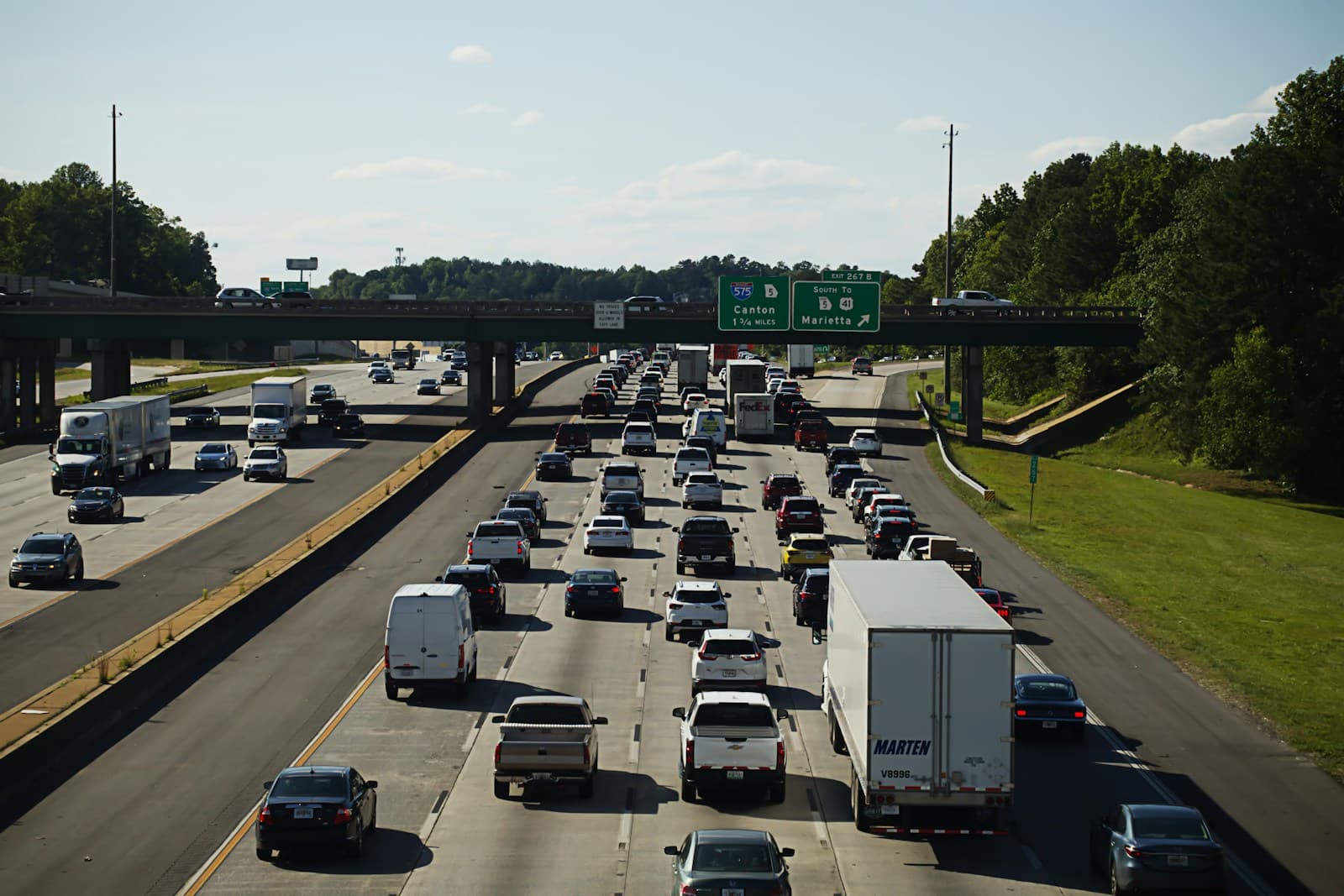
- I-40/I-24/I-65 Interstate Convergence: Nashville sits at the crossroads of three major interstates, creating high-density traffic corridors where violation histories weigh more heavily in underwriting. Carriers price SR-22 policies higher in zip codes near these interchanges due to elevated accident frequency and severity data.
- Davidson County Court Processing Times: DUI and reckless driving cases processed through Davidson County General Sessions Court can take 4–8 months to resolve, during which SR-22 filing deadlines still apply. Missing the 30-day SR-22 filing window after a suspension order extends your reinstatement timeline and may trigger additional fees.
- Urban Uninsured Motorist Concentration: Tennessee's uninsured driver rate hovers near 20%, with higher concentrations in Davidson County's urban core. High-risk drivers should prioritize uninsured motorist coverage at or above state minimums ($25,000/$50,000) since at-fault accidents with uninsured drivers can lead to personal liability even with SR-22 compliance.
- Broadway/Downtown Tourism Traffic: The Broadway entertainment district and downtown tourist zones create unpredictable traffic patterns, especially Friday–Sunday nights. Drivers with DUI histories face steeper rate increases if their address or violation location falls within Davidson County's central business district zip codes (37201–37203).
- Seasonal Weather Volatility: Middle Tennessee experiences ice storms, flash flooding, and severe thunderstorms that spike accident claims November–March. Carriers offering SR-22 policies often require comprehensive coverage for financed vehicles, and Nashville's weather volatility drives those premiums 15–25% higher than rural Tennessee counties.

Find out exactly how long SR-22 is required in your state
Coverage Recommendations
Cost estimates are based on available industry data and vary by driver profile. These are not insurance quotes.
SR-22 Insurance
Tennessee requires SR-22 filing for DUI convictions, license suspensions, at-fault accidents without insurance, and repeat violations. The SR-22 itself is a certificate your insurer files with the Tennessee Department of Safety proving you carry at least $25,000/$50,000/$15,000 liability coverage. Nashville non-standard carriers can file electronically within 24–48 hours.
$25–$50 filing fee + high-risk premiumEstimated range only. Not a quote.
Liability Insurance
Tennessee minimums are $25,000 per person/$50,000 per accident for bodily injury and $15,000 for property damage. High-risk drivers in Nashville should consider $50,000/$100,000/$25,000 or higher, especially if your violation involved property damage or injury, since at-fault accidents expose you to personal liability beyond policy limits in Tennessee's tort system.
Minimum coverage: $90–$180/mo for high-risk profilesEstimated range only. Not a quote.
Uninsured Motorist Coverage
With roughly 20% of Tennessee drivers uninsured and Nashville's dense I-40/I-24 corridors, uninsured motorist coverage protects you if an at-fault uninsured driver hits you. Tennessee requires insurers to offer UM coverage at the same limits as your liability policy; declining it requires a signed waiver. For drivers already carrying SR-22, an accident with an uninsured driver can complicate reinstatement and future coverage availability.
Adds $15–$40/mo to high-risk policiesEstimated range only. Not a quote.
Non-Standard Auto Insurance
Non-standard carriers specialize in high-risk profiles — DUIs, multiple violations, lapses, and SR-22 requirements. Nashville has access to regional and national non-standard markets that can offer coverage when standard carriers decline. Expect higher premiums initially, but many non-standard policies allow step-down discounts after 6–12 months of clean driving and continuous SR-22 compliance.
$215–$425/mo depending on violation severityEstimated range only. Not a quote.